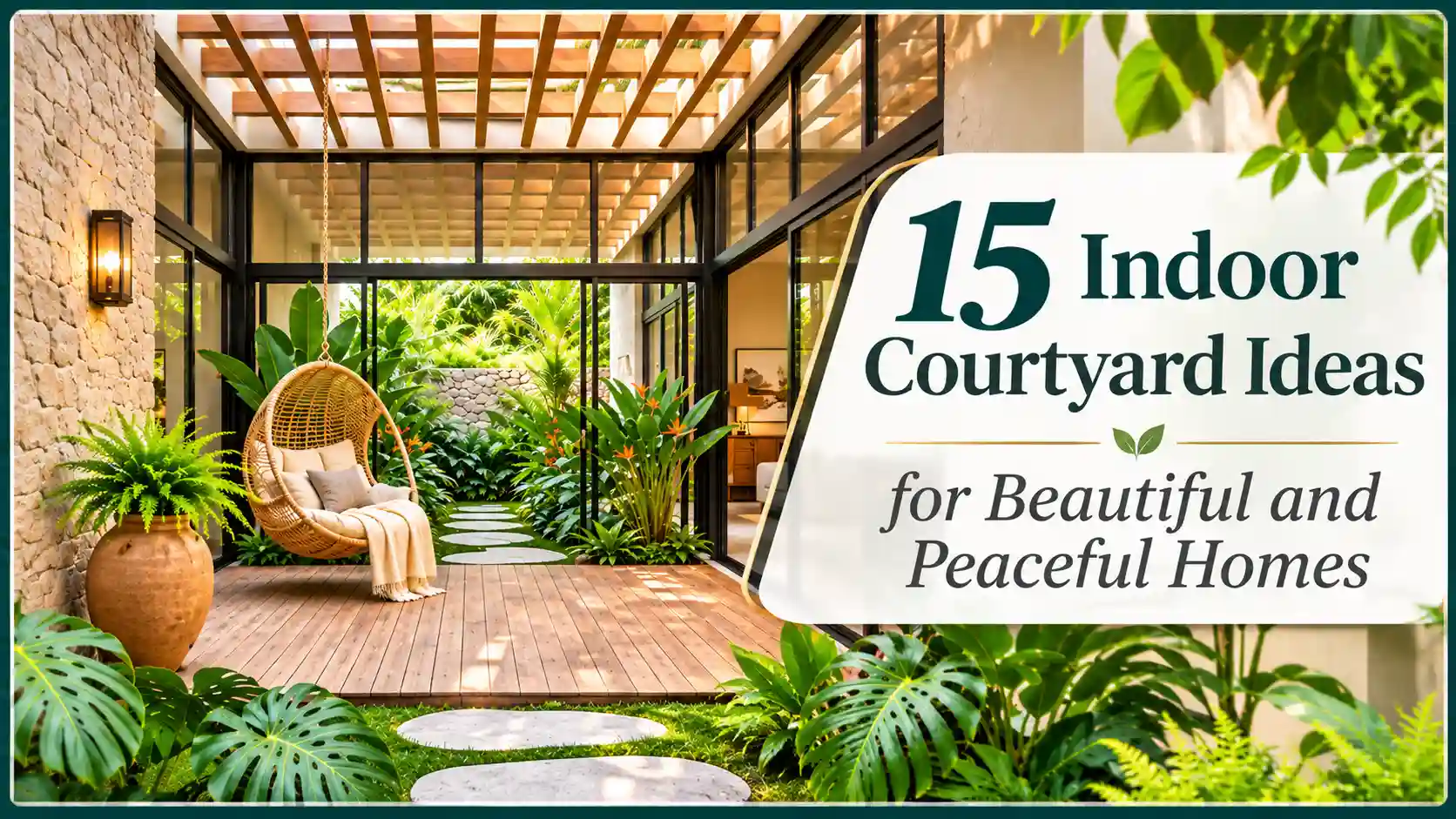
An indoor courtyard brings natural light, greenery, and a relaxing atmosphere into your home. Whether you have a spacious house or a compact floor plan, you can create a welcoming garden area with suitable plants, thoughtful lighting, and natural materials.
From minimalist courtyard gardens to glass-roof designs and tropical retreats, these 15 indoor courtyard ideas offer inspiration for different home styles. You will also learn how to plan the space, choose suitable plants, manage moisture, estimate costs, and avoid common design mistakes.
What Is an Indoor Courtyard?
An indoor courtyard is a garden or open space located within a home’s layout. It often features plants, natural materials, and access to daylight. Depending on the design, it may sit beneath a glass roof, connect to an enclosed living area, or occupy an open central section of the house.
Unlike a traditional outdoor courtyard, an enclosed indoor courtyard offers some protection from direct weather. A glass roof or large windows can bring daylight into the space while maintaining a visual connection with the outdoors.
Common indoor courtyard features include:
- Indoor plants and decorative planters
- Natural light from windows or skylights
- Glass roofing or glazed doors
- Stone, tile, or other suitable flooring
- Small seating areas
- Decorative water features
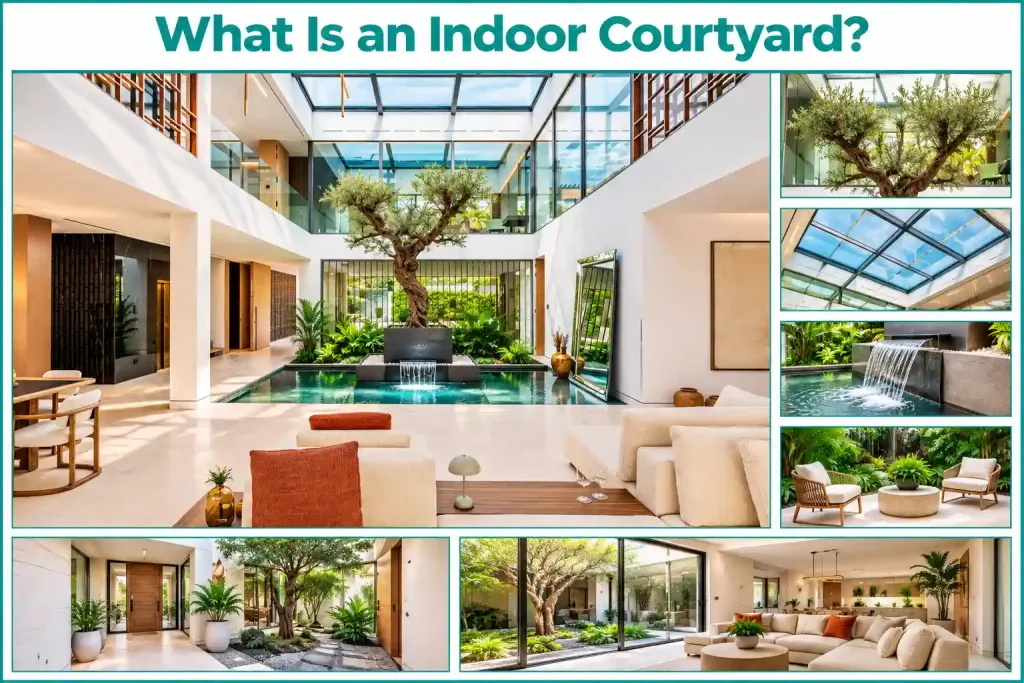
You can position an indoor courtyard in the center of your home, beside a living room, or near the entryway to create a welcoming first impression.
15 Indoor Courtyard Ideas for a Peaceful Home
The right indoor courtyard design depends on your available space, natural light, ventilation, and maintenance preferences. Explore these ideas to find a style that works with your home’s layout.
1. Create a Minimalist Indoor Courtyard
A minimalist indoor courtyard uses a few carefully selected features to create a calm and uncluttered space. Choose one or two statement plants, neutral walls, and simple stone or tile flooring.
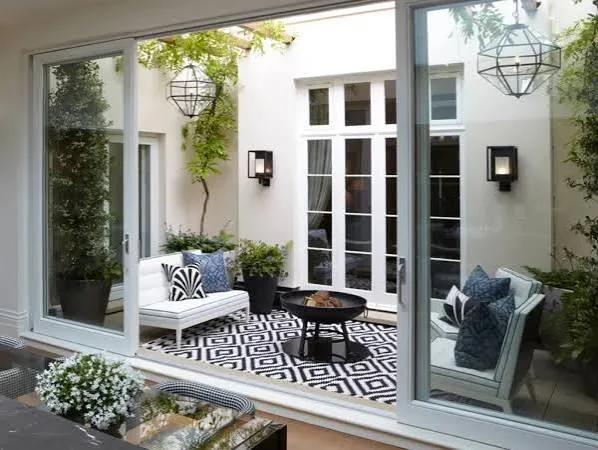
Avoid filling every corner with furniture and decorations. Leave enough open space around the plants so the courtyard feels balanced. This design works particularly well in modern homes with clean lines and simple interiors.
2. Add a Small Indoor Courtyard Garden
A small courtyard garden can turn an unused corner into a refreshing green space. Use compact plants, raised planters, and a narrow bench to make the area practical without overcrowding it. This layout suits apartments and homes with limited floor space.
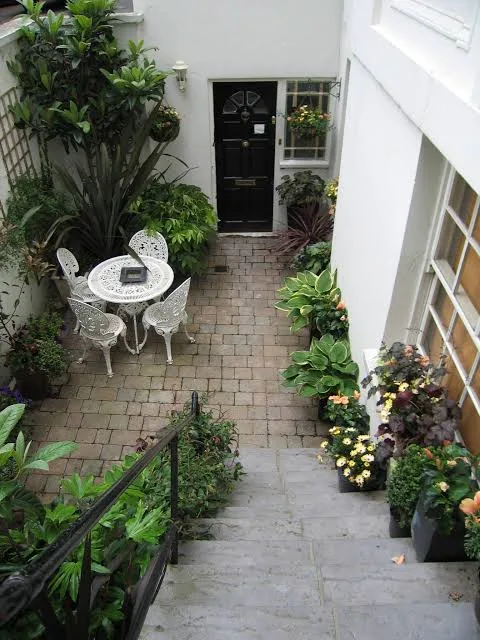
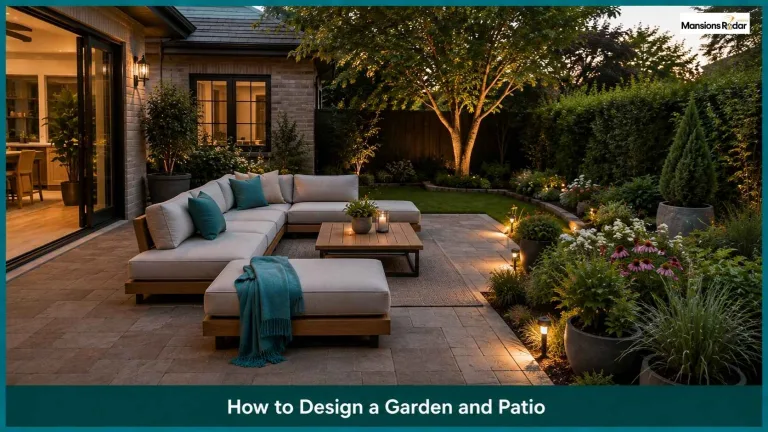
Before buying plants, check how much daylight reaches the area. Choose varieties that match the available light and group plants with similar watering needs. For more outdoor inspiration, explore these garden and patio design ideas.
3. Design an Indoor Courtyard With a Glass Roof
A glass roof allows natural daylight to enter an indoor courtyard and creates a brighter connection with the outdoors. Depending on the building design, you can use fixed glazing or an opening roof system. Plan for heat control before installation. Suitable glazing, blinds, or external shading can help manage strong sunlight.
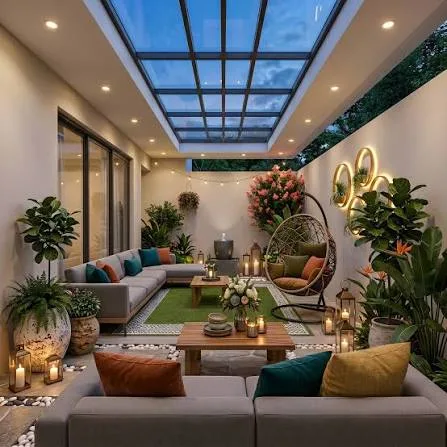
Also consider ventilation, drainage, privacy, and the roof’s structural requirements.A glass-roof courtyard works best when the design accounts for local weather conditions and the home’s orientation.
4. Bring Nature Inside With an Indoor Tree
A well-chosen indoor tree can become the main focal point of a courtyard. Depending on the available light and space, consider suitable varieties such as certain palms, ficus plants, or other indoor trees.
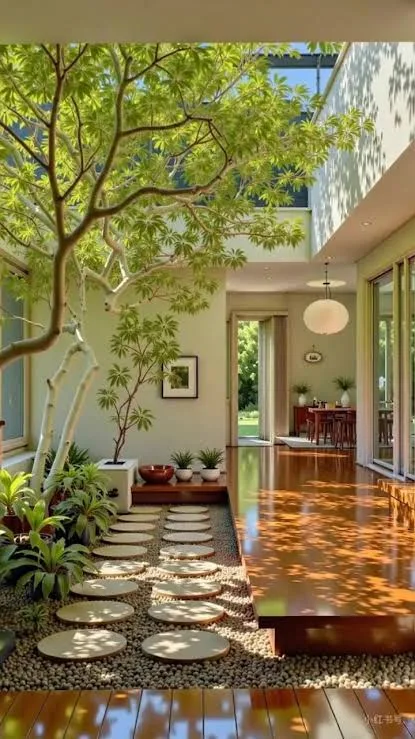
Check the plant’s expected height, canopy spread, and root requirements before choosing its location. Leave enough room for future growth, pruning, and watering. This idea works particularly well in homes with high ceilings and a bright central space.
5. Add a Small Water Feature
A compact fountain or shallow reflecting pool can introduce movement and a gentle water sound into an indoor courtyard. Choose a feature that matches the size of the space rather than selecting one that dominates the layout.
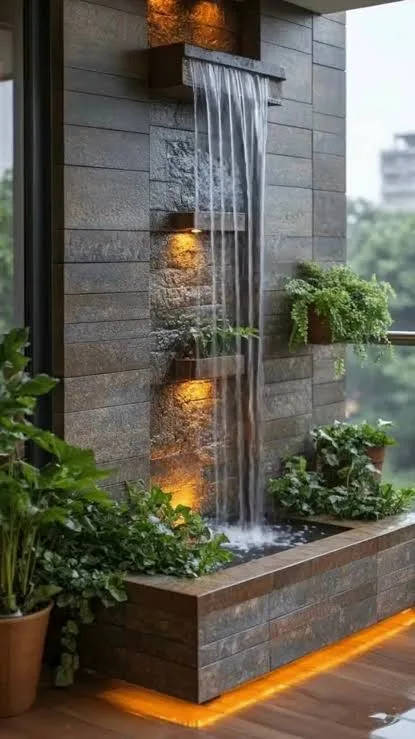
Plan the waterproofing and drainage carefully to protect nearby floors and walls. Use a suitable basin to manage splashing, and clean the water feature regularly to maintain good water quality. This design is most suitable for courtyards with enough space for safe access and routine maintenance.
6. Use Natural Stone for a Modern Courtyard
Natural stone adds texture and an earthy appearance to an indoor courtyard. Limestone, slate, and other suitable stone finishes can complement green plants and simple furniture. Combine stone flooring with timber details, neutral walls, or understated planters.
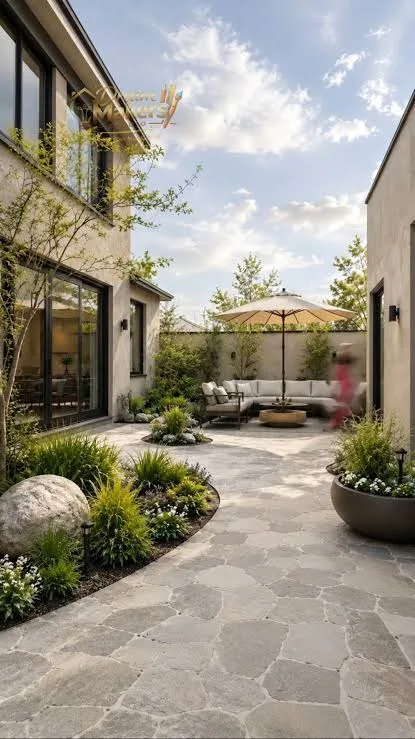
Because courtyard surfaces may become wet during watering or cleaning, choose a suitable slip-resistant finish. Seal the stone when recommended by the manufacturer to help manage moisture and stains. For more flooring inspiration, see these bathroom floor tile ideas.
7. Create a Tropical Indoor Courtyard
A tropical indoor courtyard uses layered greenery and natural textures to create a lush setting. Consider plants such as monstera, suitable ferns, and other varieties that match your indoor light conditions.
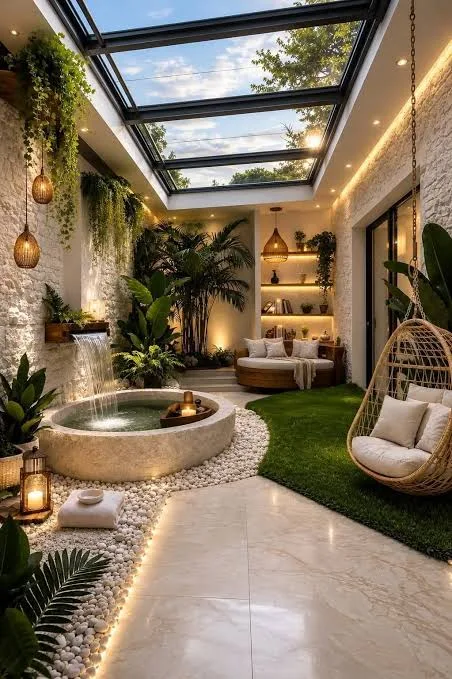
Combine taller plants with medium-sized foliage and smaller ground-level planters to add depth. Introduce wood, stone, and woven textures for warmth.
Tropical plants may need specific humidity and temperature conditions. Provide suitable air circulation and avoid excessive moisture that could affect the surrounding room.
8. Build a Japanese-Inspired Indoor Courtyard
A Japanese-inspired courtyard focuses on simplicity, natural textures, and carefully arranged elements. Use a few plants, decorative stones, gravel, and a restrained color palette to create a balanced composition.
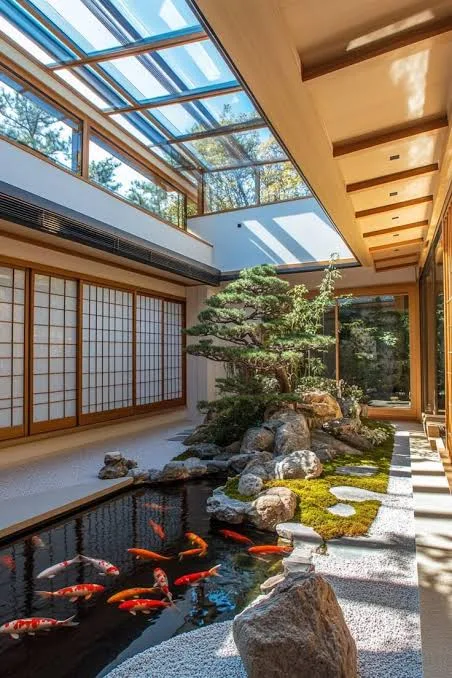
Add one focal feature, such as a stone ornament or small sculpture. Keep the layout open rather than filling it with too many decorative items. If you enjoy calm, natural interiors, explore these Japandi bedroom decor ideas.
9. Connect the Courtyard to the Living Room
Connecting an indoor courtyard to the living room creates a visual link between indoor spaces and greenery. Use glass doors or wide openings where the floor plan allows, and position the seating to face the courtyard.
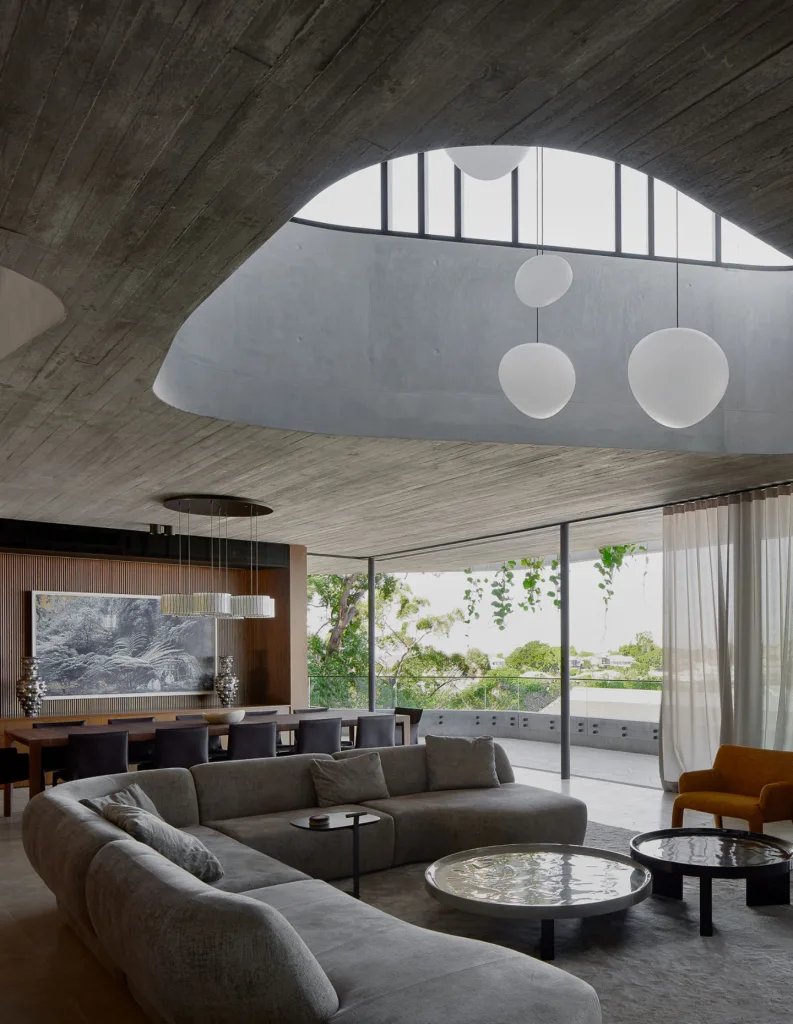
Choose similar flooring tones and complementary colors in both areas to create a coordinated appearance. This approach also works well in homes with an open-plan layout. For more ideas, see how to decorate a combined living and dining room.
10. Add a Mediterranean-Style Indoor Courtyard
A Mediterranean-inspired courtyard combines warm colors, natural materials, and simple outdoor-style furniture. Use terracotta pots, textured walls, stone finishes, and suitable plants to create the look. If the courtyard receives strong natural light, consider suitable herbs or other sun-loving plants.
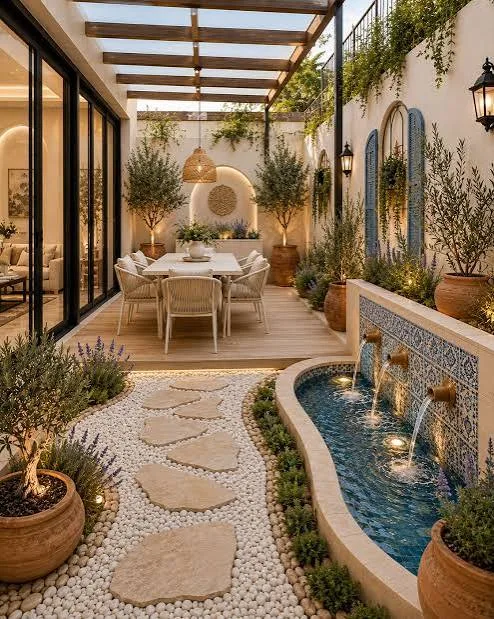
Add a compact table and two chairs if the space allows. Choose plants according to the actual light conditions rather than appearance alone. Many Mediterranean varieties need plenty of sunlight to grow well.
11. Use Vertical Gardens in a Small Courtyard
A vertical garden makes use of wall space instead of filling the floor with large planters. Install wall-mounted pots, modular planting panels, or a suitable vertical garden system. This approach works particularly well in narrow courtyards.
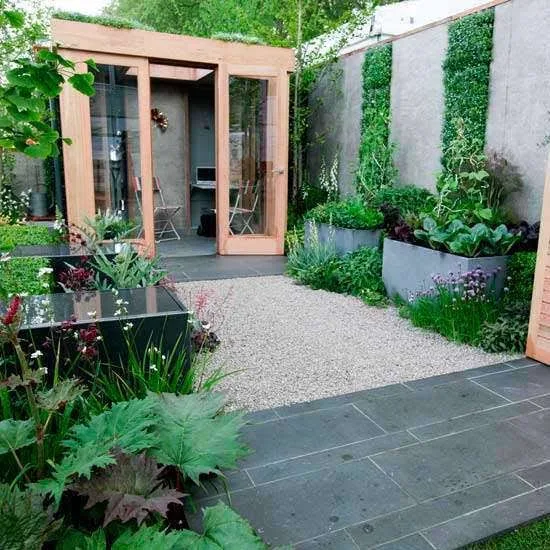
Plan access to water, drainage, and maintenance before installing the system. A suitable drip irrigation setup can make regular watering easier. Choose plants with similar light and water requirements so they are easier to maintain together.
12. Make the Courtyard a Bright Reading Corner
Turn a quiet part of your indoor courtyard into a comfortable reading area. Add an easy-to-maintain chair, a small side table, and a soft cushion or throw. Position the seating where daylight is comfortable rather than placing it in direct, harsh sunlight.
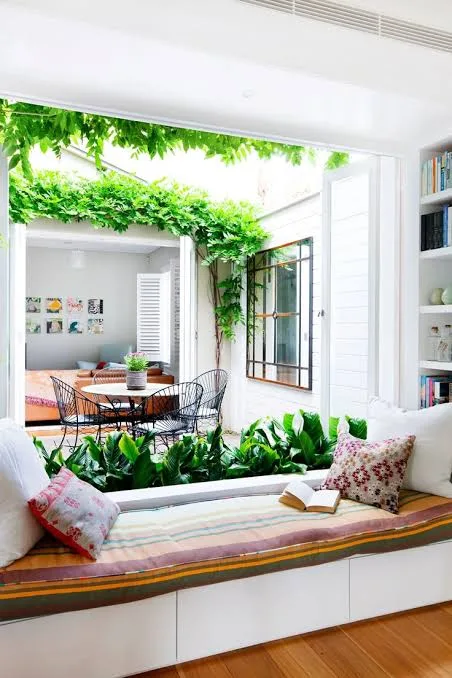
Choose furniture materials that suit the courtyard’s moisture and temperature conditions. This idea works well when the courtyard has enough room for seating without blocking access to plants or doors.
13. Add Warm Indoor Courtyard Lighting
Good lighting makes an indoor courtyard useful after sunset and highlights its plants and architectural details. Consider recessed lights, wall fixtures, or carefully positioned accent lighting. Use warm-toned lighting for a relaxed atmosphere.
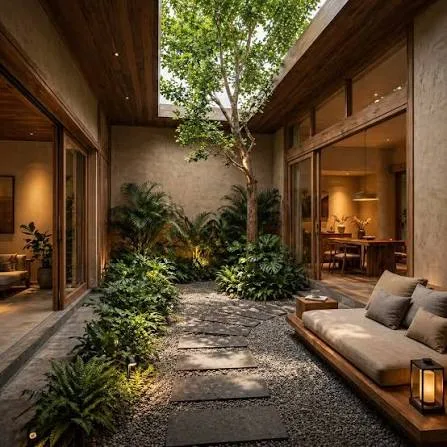
Select fixtures with suitable ratings for the moisture conditions of the installation area, and ask an electrician to handle wiring and placement where necessary. Layered lighting can also complement the lighting scheme in nearby spaces, including these entryway decor ideas.
14. Design a Contemporary Courtyard With Clean Lines
A contemporary indoor courtyard combines simple shapes, modern finishes, and carefully selected plants. Use materials such as glass, concrete, timber, and large-format tiles to create a clean architectural look.
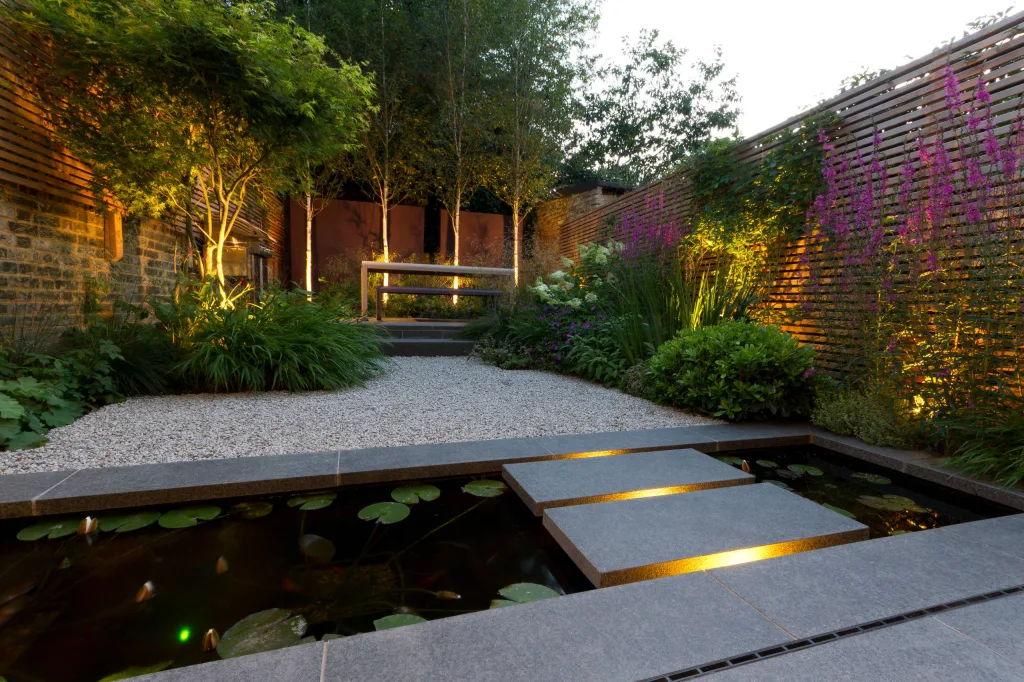
Choose geometric planters and a limited color palette to keep the design coordinated. Match the finishes with the home’s existing architecture rather than introducing too many unrelated materials. For more flooring layout inspiration, explore these 12×24 tile patterns.
15. Create a Private Indoor Courtyard Retreat
A private courtyard retreat provides a quiet place to relax away from busy household areas. Use privacy screens, tall plants, or suitable glass panels to create separation without making the space feel closed in.
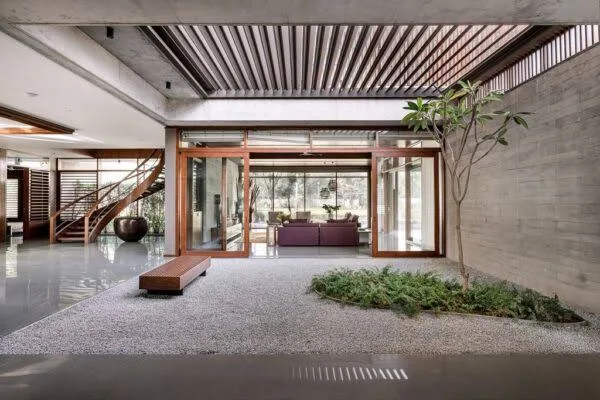
Add a compact bench or comfortable seating if the layout allows. Keep enough daylight and ventilation so the area remains pleasant throughout the day. This design works well beside bedrooms, quiet lounges, or other areas where you want a more private atmosphere.
How to Design an Indoor Courtyard in Your Home
Good planning helps you create an indoor courtyard that looks attractive and remains practical. Before selecting plants, furniture, or finishes, consider these important details:
- Available space: Measure the courtyard and leave clear routes for walking, cleaning, and plant care.
- Natural light: Observe how sunlight reaches the area throughout the day. Consider seasonal changes when choosing plants.
- Ventilation: Provide suitable airflow to help manage humidity and maintain a comfortable environment.
- Drainage and waterproofing: Protect floors and walls from watering, leaks, and moisture buildup.
- Plant selection: Match each plant to the available light, temperature, humidity, and maintenance routine.
- Flooring and materials: Choose durable finishes that can handle moisture and provide suitable slip resistance.
- Privacy: Check nearby windows and doors to decide whether screens, curtains, or privacy glazing are needed.
- Maintenance access: Make sure you can reach planters, drains, lighting, and water features for regular care.
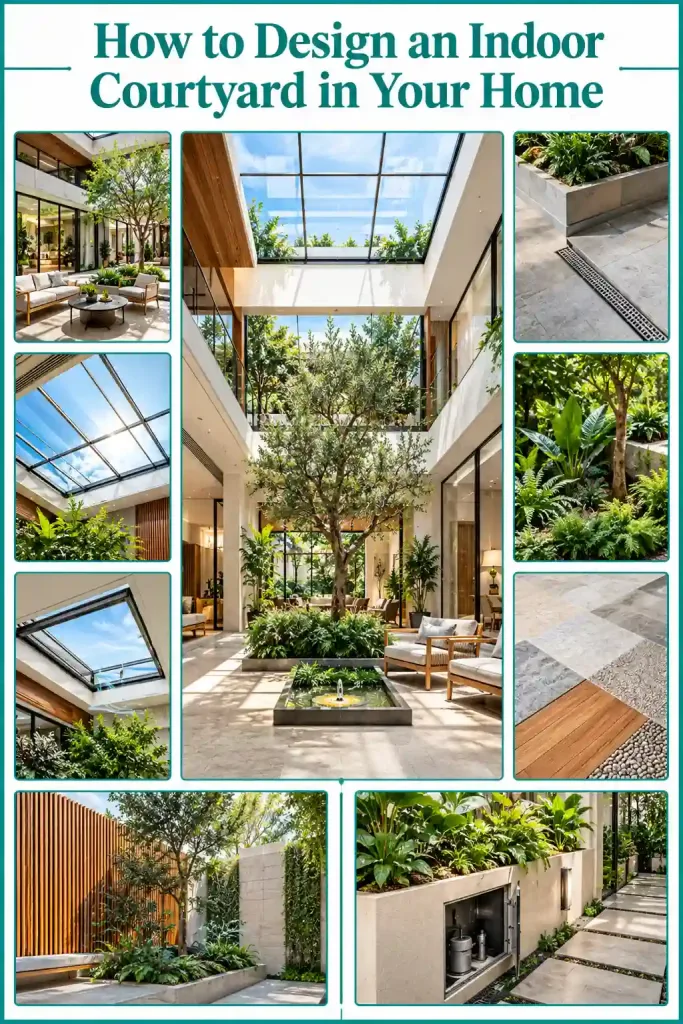
Once you have considered these points, sketch a basic layout and decide where each feature will go. A clear plan makes it easier to select suitable materials and avoid unnecessary changes later.
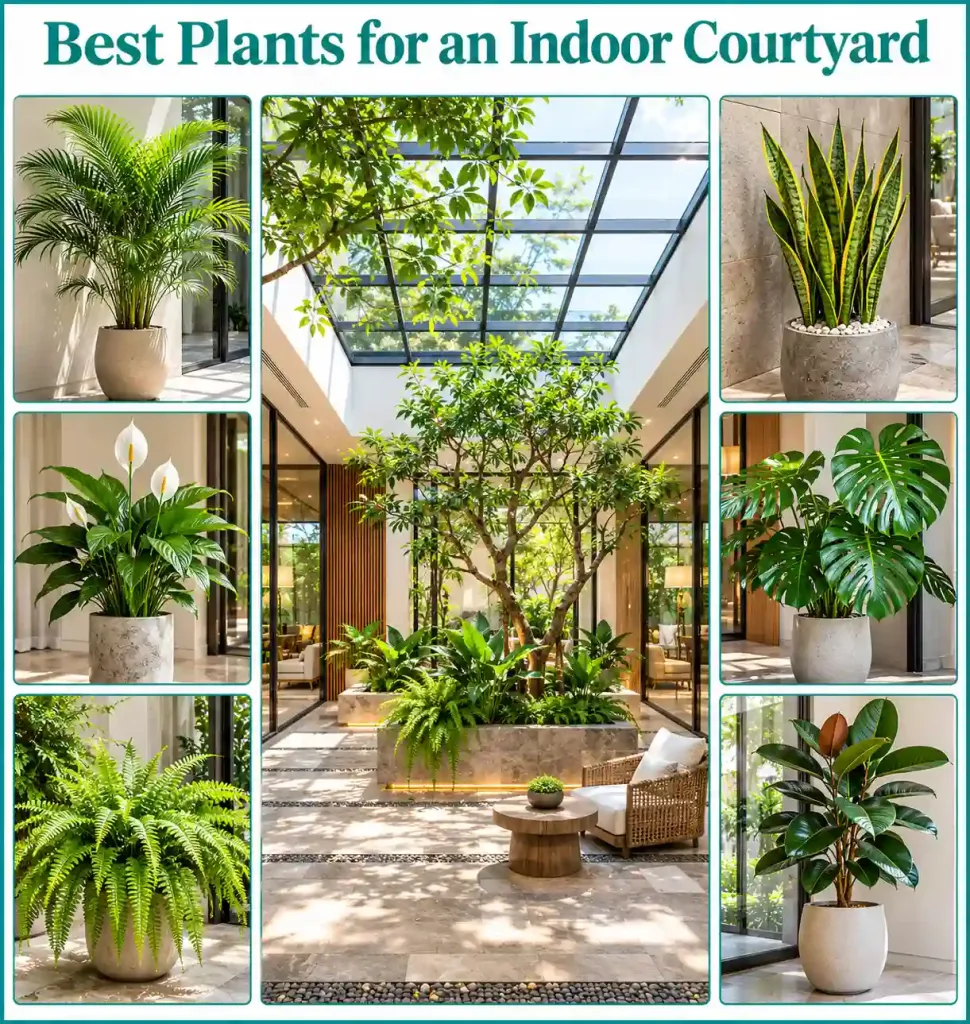
Best Plants for an Indoor Courtyard
Choose indoor courtyard plants according to the conditions in your home, not just their appearance. Light levels, temperature, humidity, and available space all affect plant growth.
The Royal Horticultural Society’s houseplant growing guide provides further guidance on matching plants to indoor conditions.
| Plant | Suitable Placement |
| Areca palm | Bright indoor spaces with suitable indirect light |
| Snake plant | Areas with lower light, although brighter indirect light can support growth |
| Peace lily | Bright locations with indirect light |
| Monstera | Spacious indoor corners with suitable indirect light |
| Ferns | Humid areas with appropriate indirect light |
| Rubber plant | Bright indoor locations with filtered light |
Pet and child safety: Some indoor plants can be harmful if eaten. Before buying plants, check the ASPCA toxic and non-toxic plants list if pets may have access to the courtyard.
Indoor Courtyard Design for Small Homes
You do not need a large floor plan to create an attractive indoor courtyard. A narrow space, unused corner, or small central area can provide room for greenery and natural light.
Try these space-saving approaches:
- Use narrow planters along a wall instead of large floor pots.
- Install vertical planters to make use of unused wall space.
- Choose glass partitions where suitable to maintain an open visual connection.
- Add compact furniture that does not block the walking route.
- Select one main plant or decorative feature as the focal point.
- Keep the layout simple and leave enough space for maintenance.
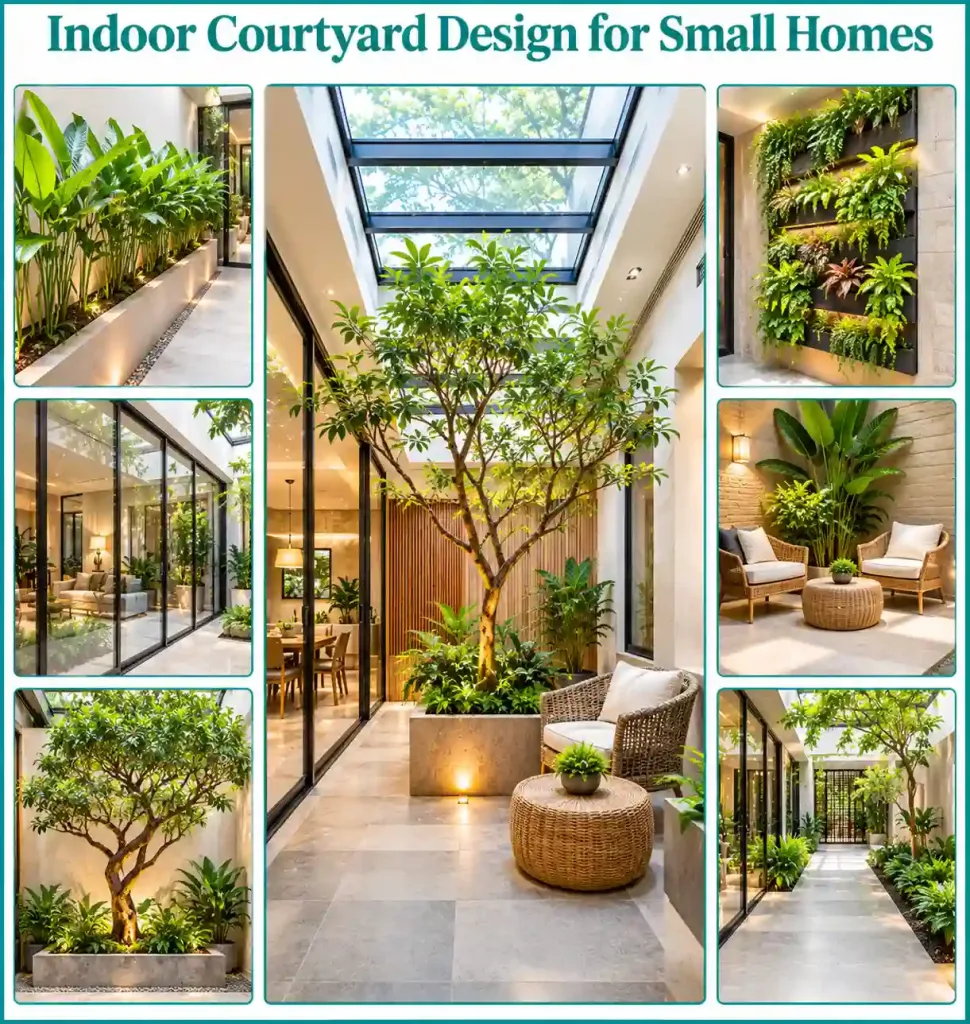
A small courtyard often feels more spacious when you avoid overcrowding it. Let natural light, greenery, and one well-chosen focal feature define the design.
How Much Does an Indoor Courtyard Cost?
The cost of an indoor courtyard depends on its size, design, materials, and installation requirements. A simple decorative garden with a few plants and planters usually requires a smaller budget than a project involving structural changes, a glass roof, or a water feature.
Consider these main cost factors:
| Cost Factor | What Affects the Price |
| Courtyard size | Available floor area and layout |
| Structural work | Building modifications and roof installation |
| Glass features | Glazing, frames, doors, and shading |
| Waterproofing and drainage | Surface preparation, drainage systems, and moisture protection |
| Flooring | Tile, stone, concrete, and installation |
| Plants and planters | Plant varieties, container sizes, and planting materials |
| Lighting | Fixtures, wiring, and electrical installation |
| Water features | Fountain, basin, waterproofing, and maintenance equipment |
| Seating and decor | Furniture, screens, and decorative accessories |
A basic courtyard refresh can cost much less than a full renovation. Adding plumbing, a new glass roof, or structural changes can increase the total significantly.
Request local estimates before setting a budget. Prices vary by location, materials, labor, and project complexity.
Common Indoor Courtyard Design Mistakes to Avoid
A few planning mistakes can make an indoor courtyard harder to maintain. Avoid these issues before starting your project:
- Choosing plants without checking light: Plants may struggle when their light requirements do not match the location.
- Ignoring ventilation: Poor airflow can contribute to excess humidity and uncomfortable indoor conditions.
- Skipping waterproofing: Inadequate moisture protection can damage floors, walls, and nearby finishes.
- Using slippery flooring: Wet surfaces can create hazards, so choose finishes with suitable slip resistance.
- Adding a water feature without drainage: Plan how to manage splashes, cleaning water, and possible leaks.
- Overcrowding the space: Too many plants and furniture pieces can restrict movement and maintenance.
- Ignoring glass-roof heat control: Strong sunlight can make an enclosed courtyard uncomfortably warm without suitable glazing or shading.
- Forgetting maintenance access: Make sure you can reach plants, drains, and fixtures for routine cleaning and repairs.
Address these details during the planning stage to create a courtyard that remains comfortable and manageable over time.
Final Thoughts
An indoor courtyard can bring greenery, natural light, and a peaceful atmosphere into almost any style of home. It can be a simple planting corner, a modern glass-roof garden, or a private seating retreat.
Start by assessing your available space, daylight, ventilation, and maintenance needs. Then choose the plants, materials, and features that suit your home. With careful planning, an indoor courtyard can become an attractive and practical part of everyday living.
Frequently Asked Questions
What is the purpose of an indoor courtyard?
An indoor courtyard brings greenery and natural light into the home while creating a dedicated place to relax. It can also connect nearby rooms visually and add an attractive feature to the interior.
Can you have an indoor courtyard in a small house?
Yes. A small house can accommodate an indoor courtyard in an unused corner, narrow central area, or space beside a living room. Vertical planters, compact furniture, and a simple layout help make better use of limited space.
What plants grow best in an indoor courtyard?
Suitable plants depend on the available light, humidity, and temperature. Options may include snake plants, peace lilies, monstera, ferns, and certain palms. Check each plant’s growing requirements before choosing it.
Can an indoor courtyard have a glass roof?
Yes. A glass roof can bring daylight into an indoor courtyard and create a more open atmosphere. Choose suitable glazing and plan for ventilation, shading, drainage, and structural support.
How do you keep an indoor courtyard cool?
Use suitable glazing, shading, and ventilation to manage heat. Opening windows or vents where possible can improve airflow. Plant placement may also provide some shade, depending on the courtyard’s design.
Does an indoor courtyard need drainage?
Drainage is important when the courtyard contains live plants, frequent watering, or a water feature. Proper drainage and waterproofing help protect nearby floors and walls from moisture damage.
How do you maintain an indoor courtyard?
Check plants regularly, water them according to their needs, remove dead leaves, and clean the surrounding surfaces. Also inspect drains, water features, and areas where moisture may collect.
Can an indoor courtyard be added to an existing house?
It may be possible, depending on the available space, building structure, utilities, and local requirements. Consult an architect or qualified contractor before making structural changes or installing a new roof.