A successful home gym starts with the right environment, not just the right equipment. If your workout space is too hot, humid, or lacks proper airflow, even high-quality equipment cannot deliver the best training experience.
The right temperature, balanced humidity, and good ventilation keep workouts comfortable while helping protect your equipment from rust and wear.
Before buying new gear, evaluate your workout space first. A well designed room is safer, more comfortable, and built to support better workouts for years to come.
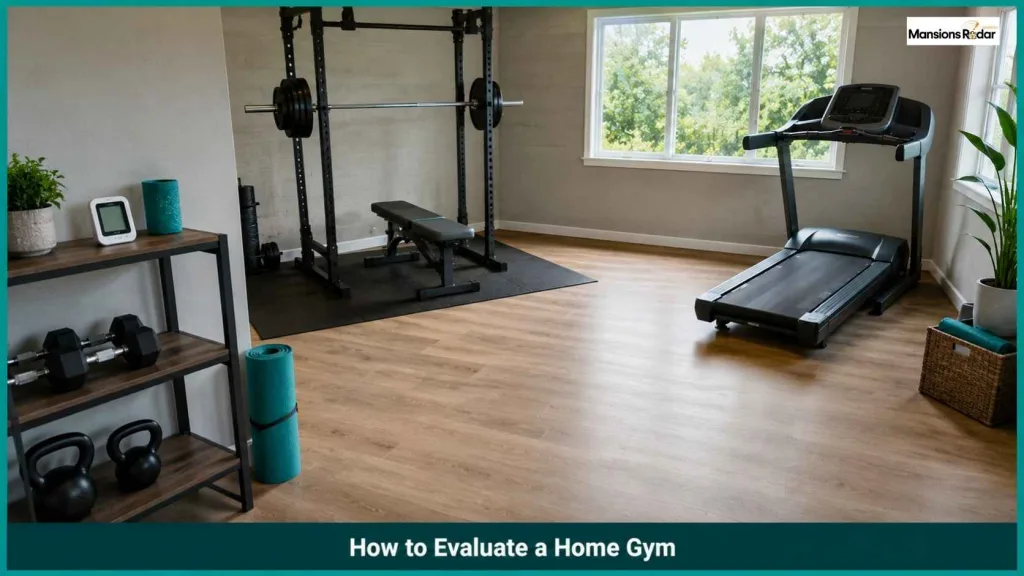
How to Evaluate a Home Gym
Evaluating a home gym means checking three things together: the room’s climate, the equipment’s fit for the space, and the layout’s safety.
Keep humidity between 40 and 60 percent, set the temperature to around 65 to 68°F during workouts, and leave enough clear floor space to move without hitting anything. Skipping the climate check is the most common reason home gyms feel worse than they should.
Why the Room Matters as Much as the Equipment
A treadmill works the same on paper in any room. It does not feel that way after twenty minutes.
Humidity above 60 percent makes a room feel heavy. It happens even when the temperature is not that high. One hard workout can release over a liter of sweat into the air. In a sealed garage or basement, that moisture has nowhere to go. This is why basements experience such a rapid spike in humidity.
The room also shortens your equipment’s life, not just your comfort.
The Real Numbers to Aim For
- Humidity: 40 to 60 percent. Below 40 percent, the air gets too dry and can irritate your lungs during heavy breathing. Above 60 percent, you are looking at mold risk, rusting equipment, and that heavy, suffocating feeling that kills performance.
- Temperature: 65 to 68°F during a workout. Slightly cooler than your living room, since your body heats up fast once you start moving.
- Airflow: cross ventilation. Fresh air pulled in on one side, hot air pushed out the other. A single fan pointed at yourself helps less than airflow that actually moves through the whole room.

If your gym runs consistently outside these ranges, that is worth fixing before you buy anything new. If you are also planning wider home upgrades alongside your gym space, this home upgrades guide covers realistic budgets for bigger projects.
What It Costs to Fix the Room
| Item | Typical Cost | What It Does |
| Digital hygrometer | $10 to $20 | Shows real humidity, no guessing |
| 30-pint dehumidifier | $180 to $280 | Covers most garages and basements up to 1,500 sq ft |
| Desiccant packs | $10 to $15 | Good for small storage bins, not full rooms |
| High velocity fan | $40 to $80 | Basic cross ventilation |
| Exhaust fan install | $150 to $400 | Pulls hot, damp air out for good |
| Rubber gym flooring | $2 to $4 per sq ft | Protects floor and reduces noise |
Start with the hygrometer. It costs the least and tells you exactly what to fix next.
Garage, Basement, or Spare Room: Each Has Its Own Problem
Not every home gym fights the same battle. Where yours sits changes what to fix first.
Garage
- Least insulated space in most homes, so temperature swings hardest here
- Gets hot fast in summer, cold fast in winter
- Fix airflow first, then add heating or cooling if the swings are extreme
Basement
- Naturally the most humid space, since it sits below ground
- Rust risk is highest here
- A dehumidifier is not optional in most basements, it is the first purchase
Spare Room
- Usually the easiest space, since it already has heating and cooling
- Watch for poor airflow if the door stays closed during workouts
- Crack the door or add a small fan during sessions

Why Humidity Wrecks Equipment, Not Just Comfort
Rust forms when iron, oxygen, and water react together. Sweat speeds this up. It carries sodium chloride, the same salt in table salt. That salt speeds up corrosion on barbells, plates, and cable pulleys.
- Metal components start showing rust when humidity sits above 60 to 65 percent consistently
- Rubber flooring degrades faster in a consistently damp room
- Electronics in treadmills or smart equipment are also at risk once moisture gets into control boards and displays

A dehumidifier sized for your room fixes most of this. A 30-pint unit covers most garages and basements up to 1,500 square feet. For small storage bins, desiccant packs work well too.
Summer vs Winter: What Changes
The room does not stay the same all year. Adjust with the season.
- Summer. Humidity climbs fast. Run the dehumidifier more often. Ventilate right after every workout, not just during it.
- Winter. Heating dries the air out. If humidity drops below 40 percent, a small humidifier can help, especially if breathing feels harsh during hard sets.
Check your hygrometer once a month. It takes ten seconds and saves you from guessing. The EPA’s guide to indoor air quality is a solid, free reference if you want to understand how humidity affects indoor air more broadly.
Evaluating Your Equipment, Not Just Buying More
Fitnara is the practical side of this. It means checking whether a piece of equipment truly belongs in your space.
Before adding anything new, ask:
- Does it fit the room’s actual dimensions, not just the showroom floor?
- Is it built to handle a humid or hot garage, or does it need a climate controlled space?
- Does it serve your actual training goals, or is it there because it looked good in a video?
- Can you check on it easily? Cables, bolts, and belts wear out and need regular eyes on them.

Multi-functional equipment helps too. An adjustable bench or a cable machine covers several exercises in one piece. Less equipment means less to check and maintain.
Setting Up the Layout
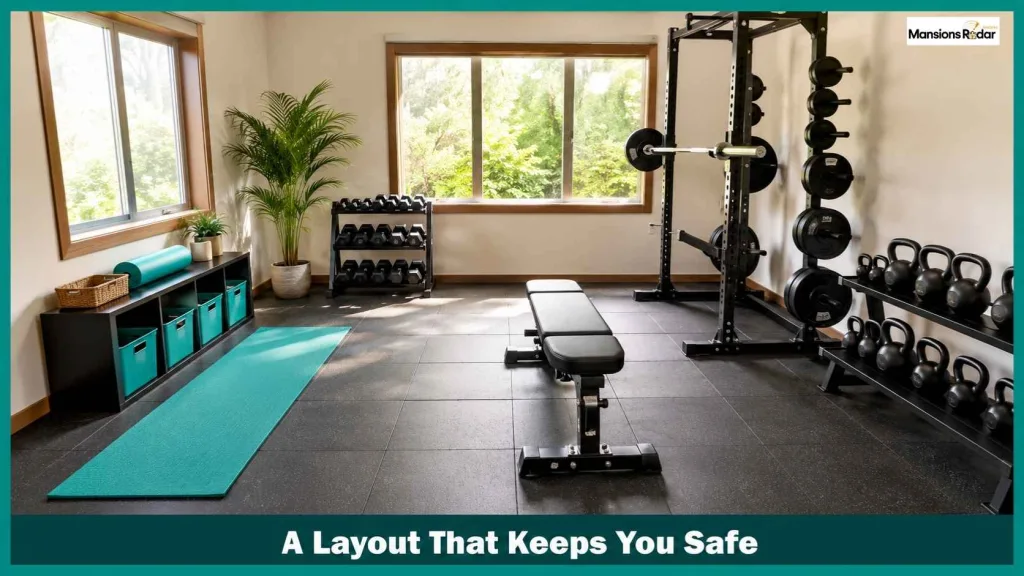
- Keep a clear walking and lifting radius around any barbell or bench, enough room to drop a weight safely if something goes wrong
- Position cardio equipment near a window or vent, since airflow matters most where you are working hardest
- Store weights and accessories on racks, not scattered on the floor, both for safety and for keeping moisture off them overnight
- Add good lighting. Dim rooms hide small cracks in frames or frayed cables until they fail
A Simple Evaluation Routine
- Measure the room. Note square footage, ceiling height, and where windows or vents are.
- Check the climate. A cheap hygrometer tells you your actual humidity do not guess.
- Review your equipment. Confirm it still fits your goals and the space, and check for early rust or wear.
- Fix airflow first. Add a fan or dehumidifier before buying anything else if the room runs damp or stuffy.
- Re-check every few months. Seasons change humidity levels more than people expect, especially in a garage.
Common Mistakes
- Buying equipment before checking if the room can actually support it
- Ignoring a damp basement or garage until rust already shows up
- Running one fan and assuming that counts as ventilation
- Skipping storage racks, which leads to both clutter and faster equipment wear
- Never rechecking humidity after the season changes
Final Thoughts
A home gym works when the room supports the equipment. Not the other way around. Check your humidity. Check your airflow. Look at what you already own before buying more. The room is the foundation. Everything else builds on top of it.
Frequently Asked Questions
What does Home Gym Meteorology Shop Evaluate Fitnara mean?
It is an approach to setting up a home gym that treats room climate, equipment fit, and layout as one connected evaluation, not separate decisions.
What is the ideal humidity for a home gym?
Between 40 and 60 percent. Below that range, the air feels too dry. Above it, you risk mold and rusted equipment.
What temperature should a home gym be kept at?
Around 65 to 68°F during a workout, slightly cooler than a typical living room since your body heats up quickly once you start training.
Why does my home gym feel damp even when it is not that hot?
High humidity makes a room feel heavy and sticky independent of temperature. A single workout can release over a liter of sweat into the air with nowhere to go in a sealed room.
How do I stop my weights and equipment from rusting?
Keep humidity under 60 percent with a dehumidifier sized for your room, wipe down metal surfaces after sweaty sessions, and store equipment on racks instead of the floor.
What size dehumidifier does a home gym need?
A 30-pint unit typically covers a garage or basement gym up to 1,500 square feet.
How often should I re-evaluate my home gym setup?
Every few months, since seasonal humidity shifts, especially in garages and basements, change conditions more than most people expect.
Is one fan enough for home gym ventilation?
Usually not. Cross ventilation, air pulled in on one side and pushed out the other, works far better than a single fan pointed at yourself.