
Most property maintenance only happens after something breaks. A pipe leaks, a roof starts letting water in, and then someone calls a contractor. Brendan ActivePropertyCare works the other way around. It focuses on catching small problems early, before they turn into expensive repairs.
This guide covers what the service includes, how it compares to standard reactive maintenance, and who it makes the most sense for.
What Is Brendan ActivePropertyCare?
Brendan ActivePropertyCare is a preventative property maintenance service. Instead of waiting for something to break, it schedules regular inspections of roofs, plumbing, electrical systems, and HVAC, along with routine repairs and exterior upkeep.
The goal is to protect property value and avoid emergency repair costs, not just fix problems as they come up.

What the Service Covers
The service is built around a few core categories of work.
Preventative Maintenance
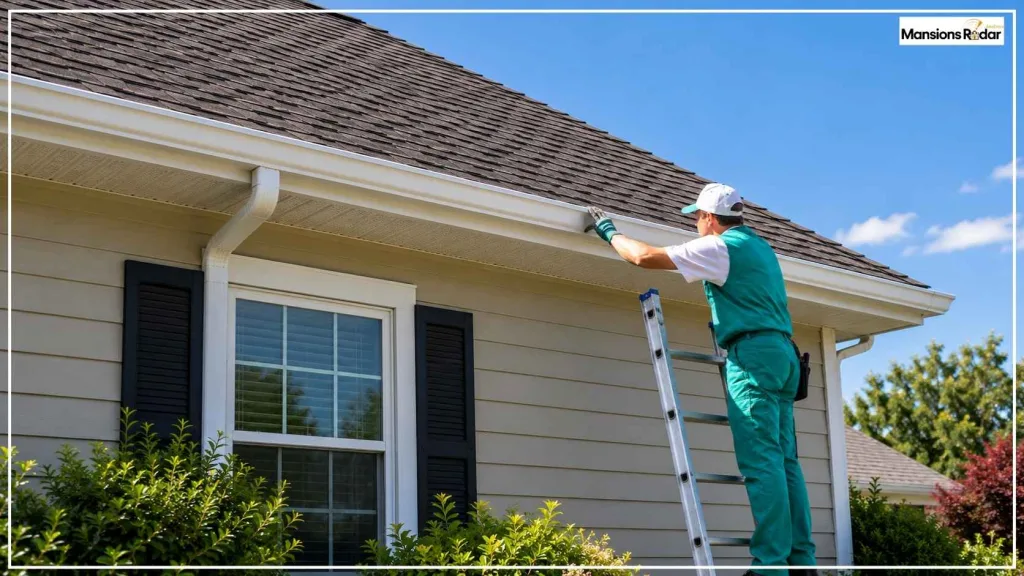
- Scheduled inspections of roofs, gutters, plumbing, and electrical systems
- Routine HVAC servicing
- Early identification of safety hazards before they become emergencies
General Repairs
- Drywall and flooring fixes
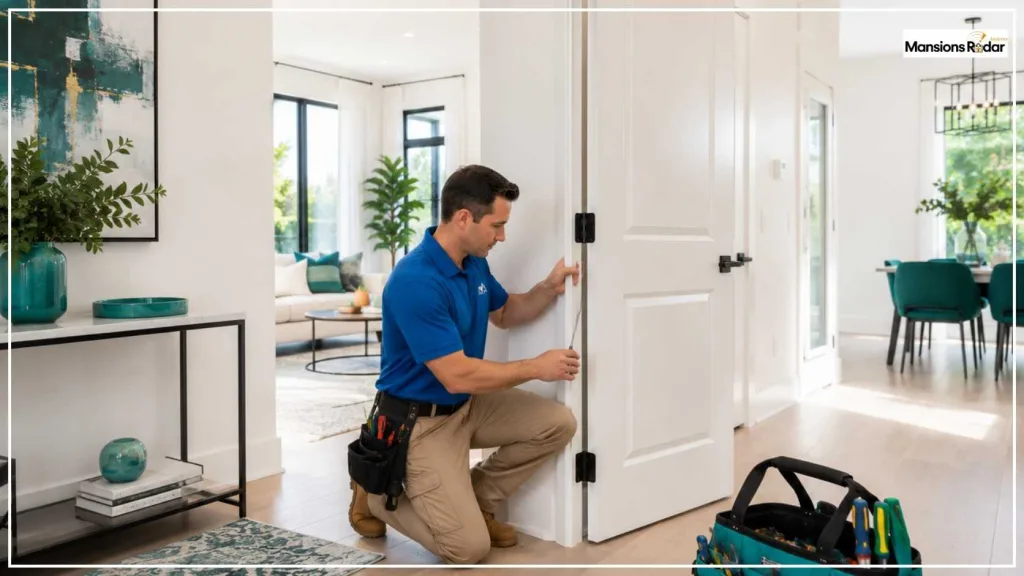
- Door and window adjustments
- Minor carpentry and structural repairs
Exterior Care
- Pressure washing and exterior painting
- Landscaping and garden upkeep
- Fence and drainage repairs

Property Inspections
- Checks for moisture and pest issues
- Early detection of structural weak points
- Confirmation that the property meets local safety requirements, in line with guidance from bodies like the National Fire Protection Association

How This Differs From Reactive Maintenance
Most property maintenance still works reactively. Something breaks, then someone gets called. Brendan ActivePropertyCare is built around catching issues before they reach that point.

| Reactive Maintenance | Active Maintenance |
| Repairs happen after something fails | Inspections happen on a set schedule |
| Costs climb once damage has spread | Small issues get caught and fixed early |
| Repairs are usually urgent and unplanned | Work is planned around the property’s needs |
| Little to no record of past work | Inspection and repair history is documented |
The documentation piece matters more than it sounds. A clear maintenance record supports the property’s resale value and gives an owner proof of upkeep if a dispute ever comes up.
Why Catching Problems Early Saves Money
A small roof leak costs very little to patch. Left alone for a year, it can rot the decking underneath and damage insulation and drywall below it.
The same pattern holds for plumbing, wiring, and foundation issues. Preventative maintenance is what keeps a five-dollar fix from becoming a five-thousand-dollar one.
Many of the small habits that prevent this kind of damage are things a homeowner can do between professional visits.
Regular inspections also extend the working life of major systems. A roof, an HVAC unit, and a plumbing system all last longer when small issues get addressed as they appear instead of after they compound.
Technology Behind the Service
Modern property maintenance runs on more than a toolbox. Digital reporting keeps a record of every inspection and repair, scheduling software prevents missed checkups, and basic data tracking helps flag which systems are likely to need attention soon based on their age and past repair history.
Sustainable Practices
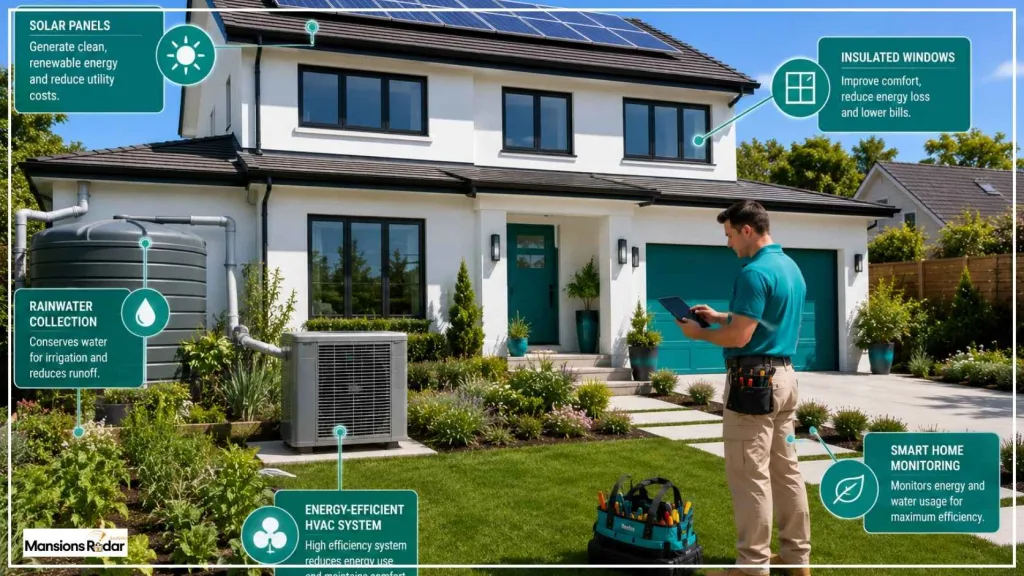
Property upkeep now often includes an efficiency angle as well.
- Energy efficient system checks on HVAC and water heaters
- Water conservation inspections for leaks and fixture efficiency
- Eco conscious materials used during repairs where practical
- Waste reduction during larger projects
These practices tend to lower a property’s operating costs alongside their environmental benefit.
Who This Service Fits Best
- Residential property owners who want to avoid emergency repair costs
- Rental property investors managing multiple units
- Commercial property managers responsible for tenant safety and compliance
- Long term homeowners planning to stay in a property for years

What to Ask Before Signing Up
- How often are inspections scheduled, and what do they cover?
- Is documentation provided after each visit?
- What is the response time for an issue found during an inspection?
- Are repairs done in house or subcontracted out?
- What is included in the base service, and what counts as an add on?
Final Thoughts
Preventative property care costs more upfront in structure and planning than simply waiting for something to break. Over time, it tends to cost less overall, since small issues get handled before they turn into major repairs.
For anyone planning to hold a property for the long term, a structured, scheduled approach like this is usually worth the investment.
Frequently Asked Questions
What makes Brendan ActivePropertyCare different from a standard maintenance company?
It centers on scheduled inspections and preventative repairs rather than waiting for a tenant or owner to report a problem.
Is this service a good fit for rental properties?
Yes. Regular inspections tend to reduce emergency repair costs and support longer tenant retention, since the property stays in better condition.
How often should property inspections happen?
Quarterly inspections are common for most residential and small commercial properties, though larger or older properties may need more frequent checks.
Does preventative maintenance actually save money?
Generally, yes. Catching a small leak or crack early costs far less than repairing the damage it causes if left unaddressed for months or years.
What should I check before hiring a property maintenance service?
Ask about inspection frequency, whether documentation is provided, response times, and whether repairs are handled in house or outsourced.