Your home should grow with your life. As the years pass, rooms become outdated, energy costs rise, and everyday spaces no longer meet your family’s needs. That is why more homeowners are choosing to renovate instead of move.
The right upgrades can improve comfort, lower running costs, increase property value, and make every room work better. Reaching those results starts with smart planning, a realistic budget, and trusted professionals.
MintPalment simplifies the renovation process by connecting homeowners with qualified contractors while making project planning and payments more flexible.
Big renovations are not always the first step. Start with these practical home maintenance habits to keep your home in better shape and prepare for future upgrades.
Why More Homeowners Are Renovating Instead of Moving
Moving costs more than most people expect once you add agent fees, closing costs, moving services, and a new mortgage rate that may be higher than the one you already have.
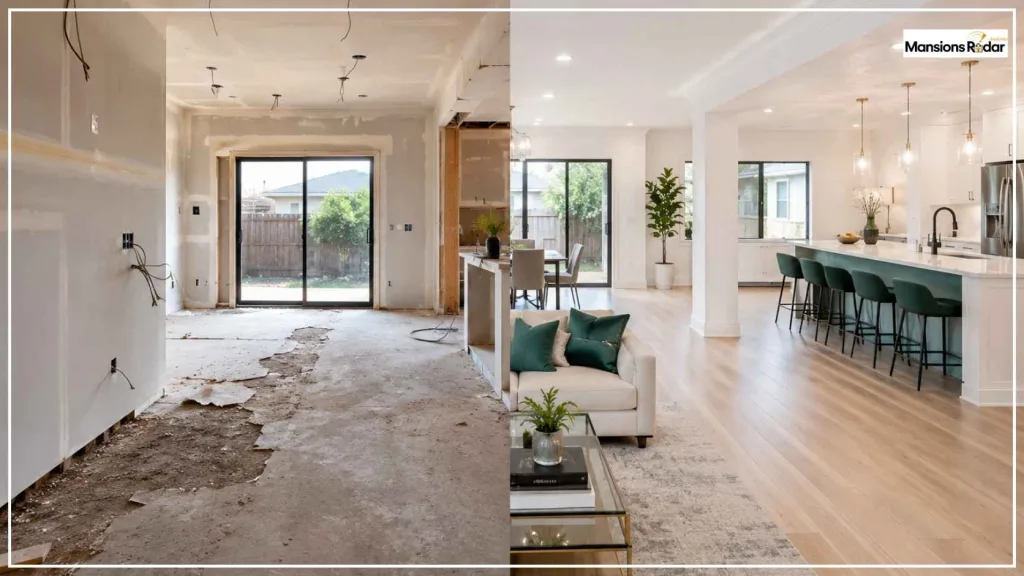
For many homeowners, renovating is the better investment. It improves comfort, increases property value, and allows a family to stay in a neighborhood they already like. It also makes a home more flexible: a spare bedroom becomes an office, a garage becomes a gym, a basement becomes a space the whole family actually uses.
What Makes an Upgrade Worth the Money
Not every renovation pays off the same way. Some upgrades mostly improve appearance. Others lower your bills, raise your resale value, and reduce future maintenance costs, all at once.
Before starting a project, ask three questions:
- Will I use this every day?
- Will it save money over time?
- Will a future buyer notice and value it?
If the answer is yes to at least two of these, the project is usually worth doing.
Best Home Upgrades That Add Value
| Upgrade | Main Benefit | Typical Cost | Value Potential |
| Kitchen refresh | Function and resale appeal | $10,000 to $18,000 | High |
| Bathroom remodel | Daily comfort | $9,000 to $22,000 | High |
| Energy efficient windows | Lower utility bills | $400 to $1,200 per window | High |
| Roof replacement | Protects the whole home | $9,000 to $25,000 | High |
| New flooring | Fresh appearance | $3,000 to $12,000 | High |
| Smart thermostat | Energy savings | Under $300 | Medium to High |
| Outdoor living area | More usable space | $4,000 to $40,000 | Medium to High |
| Interior painting | Affordable refresh | $1,500 to $4,000 | Medium |
| Improved lighting | Better daily feel | $500 to $3,000 | Medium |
| Storage solutions | Better organization | $200 to $2,000 | Medium |
Exact returns vary by city and home price range, so treat this table as general direction, not a guarantee.
Kitchen Renovation Ideas That Hold Up Over Time
The kitchen still delivers some of the highest returns of any room, because it gets used every single day.
- Reface instead of replace. If the cabinet boxes are solid, swapping the doors and hardware saves thousands over a full replacement.
- Choose quartz for countertops. It resists stains and scratches with almost no maintenance. Natural stone still looks great but needs more upkeep.
- Layer your lighting. Combine task lighting under cabinets, pendant lights over an island, and ceiling lighting instead of relying on one fixture.
- Upgrade to efficient appliances. Newer refrigerators, ovens, and dishwashers use less electricity and water, which shows up on your monthly bill.
- Add real storage. Pull-out pantry shelves, deep drawers, and corner organizers make a kitchen feel bigger without adding square footage.
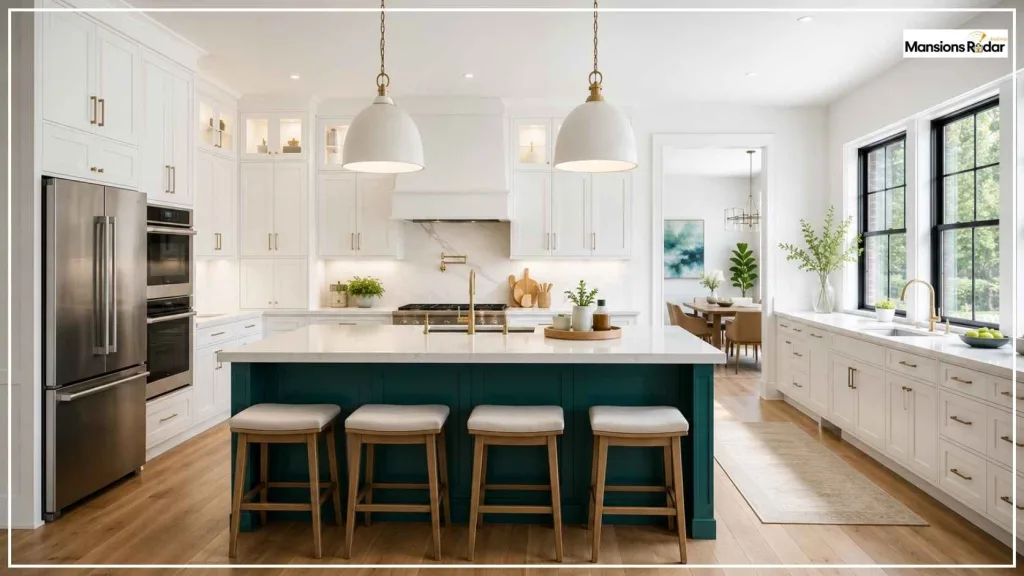
Repainting or refronting cabinets, swapping hardware, and replacing the countertop typically covers most of this for under $18,000 on an average kitchen.
Bathroom Remodeling Trends for 2026
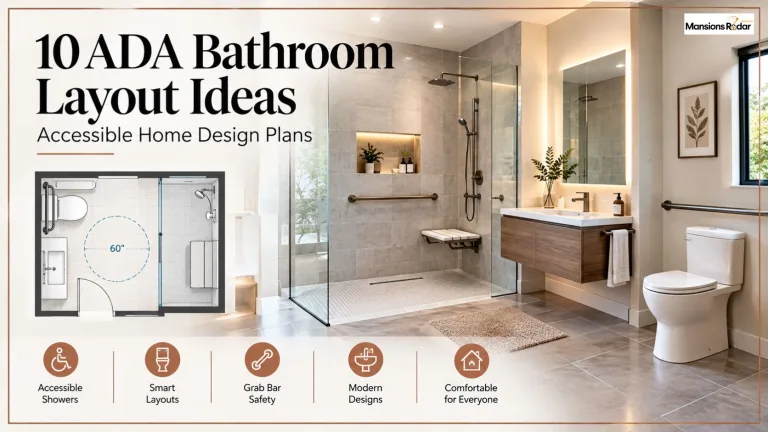
- Walk-in showers are replacing tubs in many homes, especially with frameless glass that lets light move through the room.
- Warm LED lighting around mirrors improves the daily routine and uses less energy than older fixtures.
- Water saving fixtures cut water use without a drop in performance.
- Porcelain tile and quartz vanity tops handle moisture and daily wear with very little upkeep.
- Smart features like heated floors, anti-fog mirrors, and touchless faucets add a premium feel for a moderate cost.
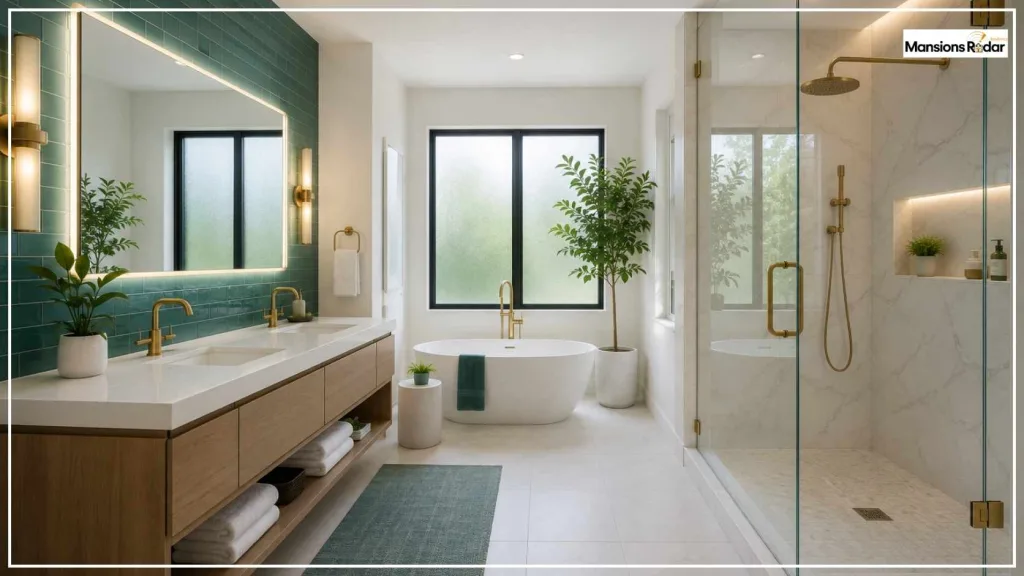
A full guest bathroom refit typically runs between $9,000 and $22,000, depending on tile, fixtures, and local labor rates.
Smart Home Technology
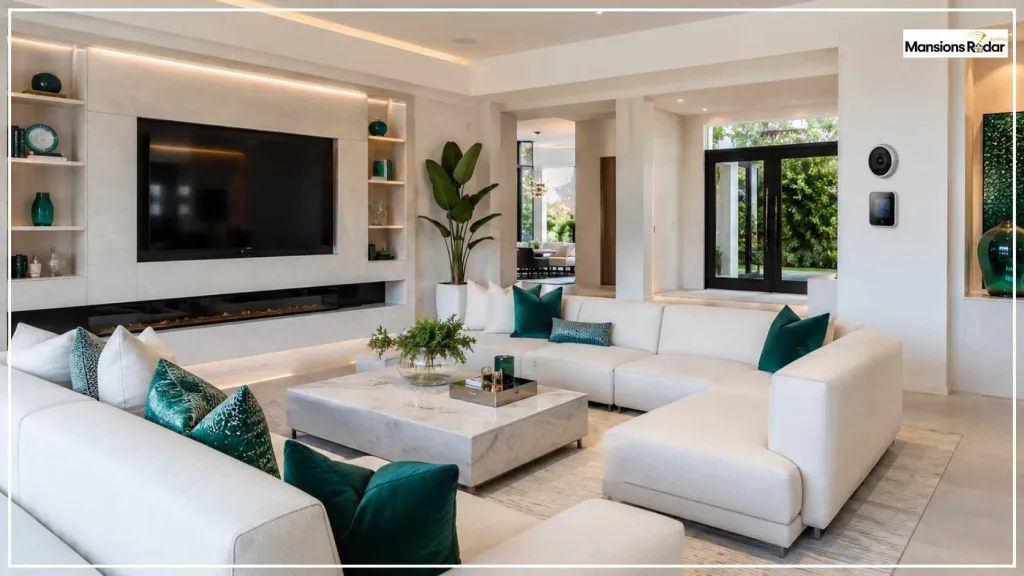
Smart devices are no longer a novelty purchase. A basic setup, a smart thermostat, a few smart bulbs, a video doorbell, and a leak sensor or two typically costs under $1,200 and often pays for itself within a couple of heating seasons.
- Smart thermostats learn your schedule and stop heating or cooling an empty house.
- Leak sensors near the water heater and washing machine catch a slow leak before it becomes a major repair.
- Smart locks and video doorbells let you monitor the property from anywhere.
- Smart lighting can turn off automatically when a room sits empty.
Rule of thumb: if a device does not save real money or fix a daily annoyance, skip it.
Energy Efficient Upgrades That Save Money
Insulation, efficient windows, and heat pumps rarely make it into a highlight reel, but they often deliver the strongest long term return.
- Insulation in the attic, exterior walls, and crawl spaces reduces how hard your HVAC system has to work.
- Double or triple pane windows cut both energy loss and outside noise.
- Heat pumps move heat instead of generating it, which makes them far more efficient than traditional systems, and they cool the home in summer too.
- LED lighting is the smallest upgrade on this list and still one of the most cost effective.
- Solar panels, where the local sun and incentives make sense, can offset a real share of the electric bill over several years.
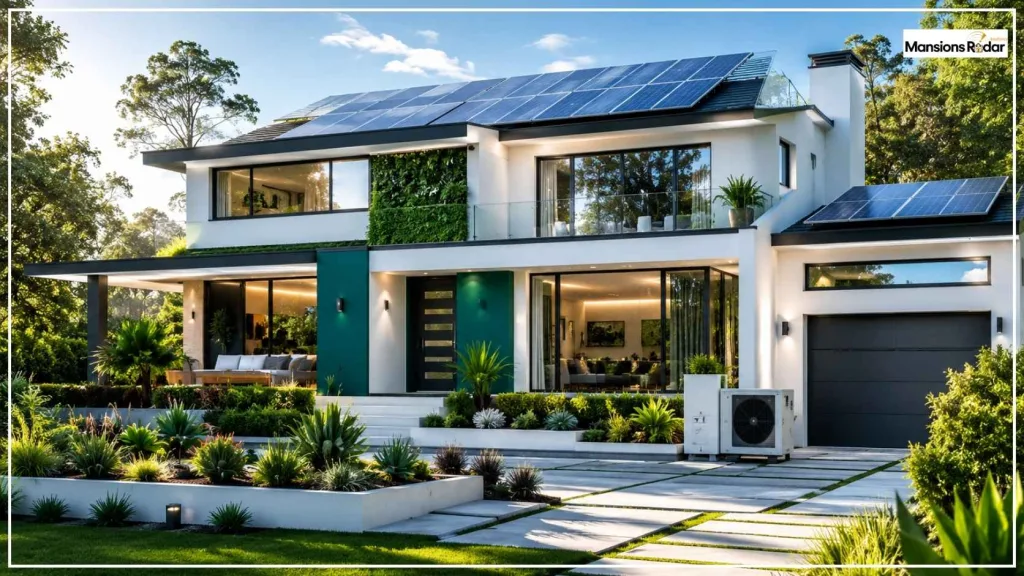
For a full breakdown of which upgrades qualify for rebates in your area, the federal energy savings guide is a reliable place to check current numbers.
Insulate before installing a heat pump. A heat pump in a poorly insulated home will underperform and cost more to run than expected.
Outdoor Living Improvements
A patio, a bit of shade, and decent lighting turn a backyard into real living space.
- A DIY patio refresh with pavers and planting can come in under $4,000
- A fully built outdoor kitchen with a grill, sink, counter space, and storage can run $25,000 to $40,000 or more
- Landscaping upgrades, native plants, fresh mulch, a healthy lawn, boost curb appeal immediately and cost far less than most indoor projects
Phase it if the budget is tight: hardscape first, planting next, structures last.
Room-by-Room Upgrade Guide
| Room | High Impact Upgrade | Typical Cost |
| Kitchen | Cabinet refresh, hardware, countertop | $10,000 to $18,000 |
| Bathroom | Lighting, fixtures, tile | $9,000 to $22,000 |
| Home office | Lighting, sound reduction, storage | $500 to $3,000 |
| Fitness room | Flooring, mirrors, ventilation | $1,000 to $5,000 |
| Basement or attic | Insulation, finishing, storage | $5,000 to $25,000 |
| Outdoor space | Patio, lighting, planting | $4,000 to $40,000+ |
Planning Your Renovation Budget
Sort every project into three groups before you spend anything.
Must Have: repairs tied to safety or structure. Roof leaks, plumbing, electrical work, HVAC replacement.
Should Have: projects that improve comfort and value. Kitchen, bathroom, flooring, windows.
Nice to Have: cosmetic upgrades that can wait. Decorative lighting, accent walls, custom shelving.
Then:
- Get at least three quotes for anything over $2,000. Compare experience, reviews, and warranty, not just price.
- Reserve 10 to 20 percent of your total budget for surprises. Older homes often hide water damage, mold, or wiring issues once walls come open.
- Decide upfront how you will pay, in full, in installments, or through financing, before work starts.
Choosing the Right Contractor
- Confirm the license and insurance required in your state
- Ask for recent project photos and at least three references, and actually call them
- Read reviews across more than one platform
- Get a full written estimate and timeline before any deposit
- Confirm warranty coverage in writing
- Never rely on a verbal agreement alone
Home Renovation Timeline
| Project | Typical Timeline |
| Interior painting | 2 to 5 days |
| Window replacement | 2 to 5 days |
| Flooring installation | 3 to 7 days |
| Smart home starter kit | 1 afternoon |
| Bathroom remodel | 2 to 4 weeks |
| Patio installation | 1 to 3 weeks |
| Kitchen renovation | 4 to 8 weeks |
| Roof replacement | 1 to 2 weeks |
| Whole home renovation | 3 to 6 months |
Weather, permits, and custom orders can all push these timelines out, so build in extra time.
Common Renovation Mistakes to Avoid
- Starting without a plan. Decide what needs upgrading, your budget, and your priority order before any work begins.
- Chasing appearance over structure. Fix roof leaks, plumbing, wiring, and foundation issues before cosmetic work. A beautiful room cannot hide a structural problem.
- Ignoring energy efficiency. Insulation and efficient windows are not exciting, but they keep saving money for years after the project ends.
- Choosing the cheapest contractor. A low quote can mean poor workmanship and repair costs later. Compare experience and reviews, not just price.
- Under scoping the electrical panel. Many homes built before 2010 were not wired for today’s chargers, induction cooktops, and heat pumps.
- Skipping required permits. This can create real problems when the home is sold later.
How MintPalment Helps Homeowners
MintPalment is a renovation marketplace built around how projects actually happen, in stages, not one lump sum.
- Milestone escrow. Funds sit in a protected account and are released only when a stage is verified, deposit, first fix, second fix, snagging, and completion, backed by photo evidence at each step. For example, on a $15,000 kitchen refresh, funds might be released in four stages as cabinets, countertops, and final details are each confirmed complete.
- Trade directory. Search for contractors by project type: kitchen, bathroom, roofing, flooring, landscaping, smart home install, with reviews attached.
- Flexible terms. Pay in full, split into installments, or spread the total over several months, selected at checkout.
Fees and available terms vary and are shown in the app before you commit. Check the current terms directly in MintPalment, since this guide is not a substitute for the live pricing.
Why Use a Renovation Marketplace
| Option | Payment Protection | Contractor Vetting | Flexible Terms |
| Cash paid directly | None | Manual, on you | No |
| Credit card | Limited chargeback window | None | High interest |
| HELOC or personal loan | None tied to milestones | None | Fixed terms, separate application |
| MintPalment or similar marketplace | Milestone based release | Built into the platform | Chosen at checkout |
A HELOC can make sense for one large project if you already have equity and a strong credit profile. A milestone based marketplace tends to reduce risk on projects with several contractors or phases. Compare actual current rates before deciding.
Expert Tips
- Upgrade one room at a time. Trying to do the whole house at once usually blows the budget and the schedule.
- Choose timeless materials. Trendy finishes date fast, neutral tones and natural materials do not.
- Spend more on materials that touch daily life, countertops, flooring, fixtures, since these get the most wear.
- Get a heat loss survey before any heat pump quote. If an installer skips it, treat that as a warning sign.
- Photograph every stage of work, including the parts nobody will see once it is finished.
Home Upgrade Checklist
Planning
- Define your goals and rank them must have, should have, nice to have
- Set a realistic budget with 10 to 20 percent held in reserve
Research
- Get three quotes for anything over $2,000
- Check licenses, insurance, and reviews
Design
- Choose durable, energy efficient materials
- Plan for storage and long term needs
Project Management
- Confirm a written timeline and payment schedule
- Photograph progress at every stage
- Review completed work before final payment
Final Thoughts
A good renovation is not about spending the most money. It is about fixing real problems in the right order, choosing materials that hold up, and paying in a way that matches the pace of the work.
Start with what actually bothers you. Fix the drip, repaint the room, swap the thermostat. Every solid renovation begins with one finished thing, and builds from there.
Frequently Asked Questions
What home upgrade adds the most value in 2026?
Kitchen renovations and bathroom remodels consistently rank among the highest returning projects, though the exact return depends on your local market.
Should I renovate or move?
If you like your location and the home’s structure is sound, renovating is usually more affordable than buying a new property once you account for agent fees and a new mortgage rate.
How much should I budget for unexpected renovation costs?
Most professionals recommend setting aside 10 to 20 percent of your planned budget for surprises like hidden water damage or old wiring.
Which renovation should I complete first?
Start with anything tied to safety or structure, roofing, plumbing, electrical, or foundation work, before moving on to cosmetic upgrades.
Are smart home upgrades worth the cost?
A basic kit under $1,200 often pays for itself within a couple of heating seasons through lower energy use.
Should I insulate before installing a heat pump?
Yes. A heat pump installed into a poorly insulated home will underperform and cost more to run.
How does staged payment through MintPalment work?
Funds are released in verified stages tied to project milestones, such as deposit, first fix, second fix, and completion, instead of one lump sum upfront.
Do I need a permit for a home renovation?
Often, yes, especially for electrical, plumbing, or load bearing wall changes. Check with your local building department before starting.