A house takes work. Faucets drip. Clutter piles up by the front door. Filters get dirty long before anyone remembers to check them. None of that means your home has to run you ragged.
This guide pulls together the DrHomey handy tips that actually make a difference, not just the ones that sound nice in a blog post. We cover cleaning air and water, setting up storage that sticks, fixing small repairs yourself, and knowing exactly when to stop and call a professional instead.
You do not need a renovation budget for any of this. Most of these changes cost little or nothing. What they need from you is consistency, not perfection.
Quick Tips for a Healthier Home
The DrHomey approach comes down to five habits that keep a home running smoothly:
- Catch problems early. A five-dollar fix today beats a five-hundred-dollar repair next year.
- Give every item one clear spot. Clutter stops when everything has a home.
- Clean your air and water on a schedule. Not just when you remember.
- Learn a few basic repairs. A dripping faucet or a small drywall hole should not need a call-out fee.
- Know your limit. Gas lines, electrical panels, and load-bearing walls always need a licensed pro.
Your Home Maintenance Schedule
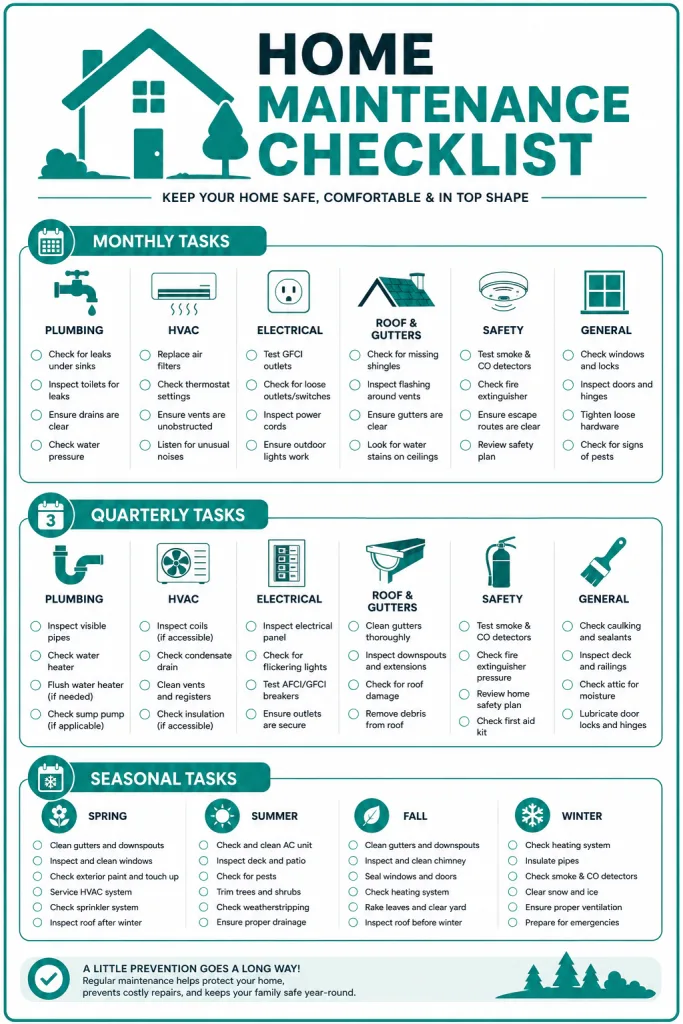
The most expensive repairs are the ones you saw coming. A slow leak under the sink costs almost nothing to fix today. Wait a year, and it can rot the whole cabinet. A simple schedule keeps small problems small.
Check Every Month
- Look under each sink for damp spots or slow leaks
- Test the GFCI outlets in your kitchen and bathroom (the ones with the small buttons)
- Clean out the dryer lint vent to cut fire risk
- Run the garbage disposal with ice cubes and citrus peel, then flush with hot water. This clears smells and buildup fast
- Check under the water heater and washing machine for early signs of leaks
Check Every Three Months
- Swap your HVAC filter so the system does not work overtime
- Test every smoke alarm and carbon monoxide alarm
- Wipe down the kitchen exhaust filter, which traps grease
- Look inside your water softener tank and add salt if it runs low
- Check bathrooms, closets, and the basement for early mold spots
Check Every Season
- Clean gutters in the fall, before they clog and push water toward your foundation
- Walk the roofline in spring and look for shingles the winter loosened
- Book an AC check before the first hot week of summer
- Have your furnace serviced in the fall, before the cold sets in
- Get the chimney cleaned once a year if you use a fireplace
A Healthier Home Starts With Air and Water
Air quality inside a home can be several times worse than the air outside, according to the U.S. Environmental Protection Agency. Dust, pet dander, and trapped fumes build up fast in a sealed house. A few habits make a real difference.
- Open windows for 10 to 20 minutes a day, even in cooler weather
- Run a HEPA air purifier in bedrooms, where you spend the most hours breathing the same air
- Skip synthetic air fresheners and scented aerosol sprays, which release compounds that can irritate the lungs
- Add a snake plant or peace lily, both known for tolerating low light while helping filter the air

Water quality matters just as much, and it gets far less attention. Hard water and chlorine residue wear down skin, hair, and appliances over time.
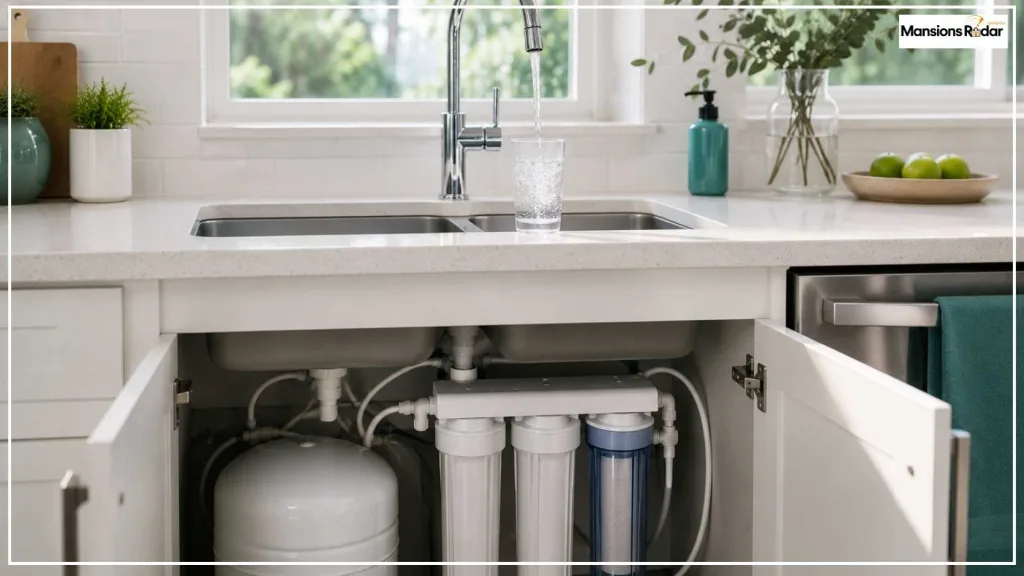
An under-sink filter or a simple shower filter handles most of that at a low cost, and it also helps plumbing fixtures last longer.
Design Choices That Make a Room Work Better
A well-arranged room is not just nicer to look at. It is easier to clean and easier to relax in.
Use the 60-30-10 Rule for Color
This ratio takes the guesswork out of picking paint and decor. Use one neutral color on 60 percent of the room. That means walls and big furniture. Bring in a second color for about 30 percent, like curtains or a chair. Save your boldest color for the last 10 percent, spread across pillows and small decor.
Stick to this, and a room looks planned instead of random.
Use the Light You Already Have
Natural light does more than brighten a room. It supports your body clock, which affects your sleep and energy through the day.
Swap heavy drapes for sheer curtains where you still want privacy. Hang a big mirror across from a window to send light deeper into the room. Even washing the windows lets in noticeably more light.
Storage That Actually Holds Up
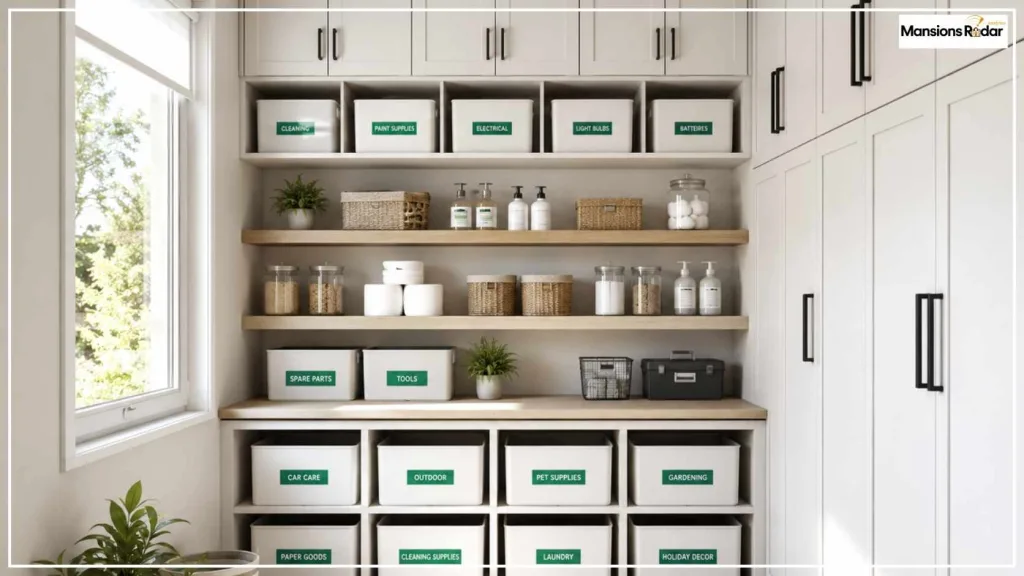
Clutter is rarely a space problem. It is a system problem. Give every item type one clear home and clutter stops spreading on its own.
Build a Real Drop Zone
Every home has a spot where things pile up. Usually the kitchen counter or the table by the front door.
Work with that spot instead of fighting it. Add hooks for coats and bags, a small tray for keys, a basket for mail. Once each item has a home, the pile stops forming.
Use Your Walls, Not Just Your Floor
Floor space runs out fast. Most homes barely use their walls.
Floating shelves near the ceiling hold books and decor without using floor space. Cabinets that reach the ceiling give you a spot for the blender you only use twice a year.
Follow One In, One Out
For every new item that comes in, an old one leaves. Donated, sold, or tossed.
This one rule stops most slow clutter buildup before it turns into a weekend-long cleanout.
Basic Repairs Every Homeowner Should Know
Fix a Dripping Faucet
Most drips come from a worn rubber washer inside the handle. Shut off the water supply under the sink. Remove the handle. Swap in a new washer. Most people finish this in under ten minutes for less than five dollars in parts.
Patch a Small Drywall Hole
A small hole does not need a full panel swap. Clean the edges. Apply spackling compound with a putty knife. Let it dry fully. Sand it smooth. A coat of primer and matching paint, and the damage is gone.

Clear a Slow Drain
Pour hot water down the drain first. If it is still slow, mix half a cup of baking soda with half a cup of vinegar, pour it in, and wait 15 minutes. Flush with more hot water. Skip the harsh chemical drain cleaners. They wear down old pipes over time.
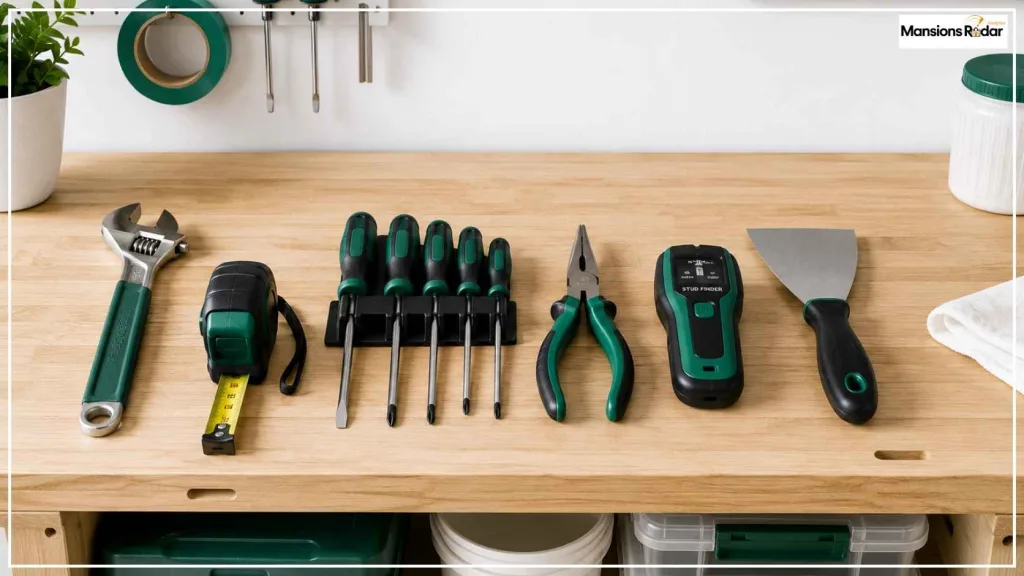
A Basic Toolkit Worth Owning
- Adjustable wrench, for plumbing and appliance work
- Stud finder, so you do not drill into a pipe or wire
- 25-foot tape measure
- Putty knife and spackling compound
- Needle nose pliers, for wire and tight spaces
Use adhesive hooks and strips instead of nails. Most hold several pounds of weight and leave no holes when you move out.
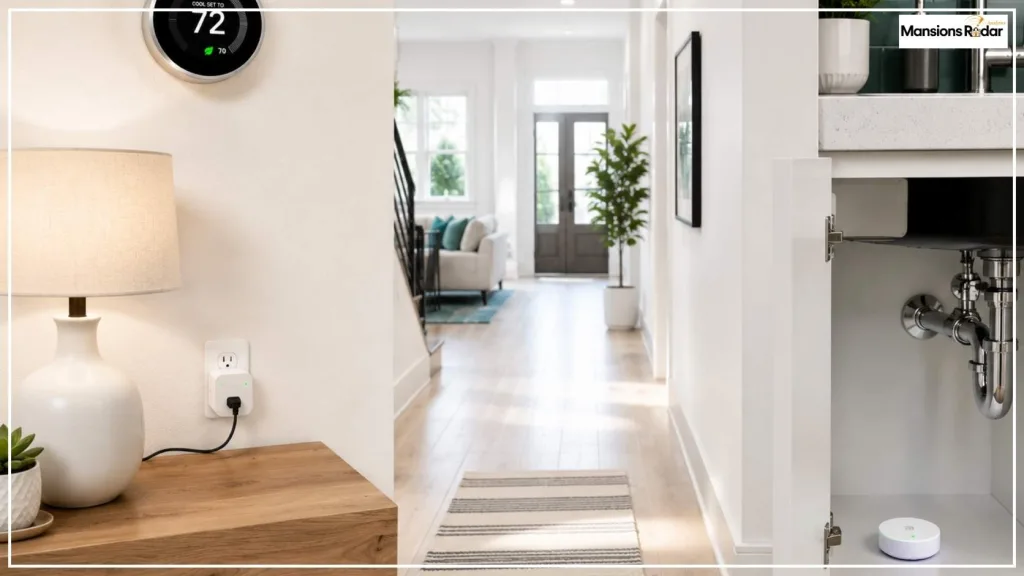
Smart Home Upgrades Worth the Money
- A smart thermostat learns your schedule and stops heating or cooling an empty house. Many pay for themselves within a year
- Water leak sensors near the water heater, washer, and under sinks catch a burst pipe before it costs thousands
- Smart plugs turn off power to electronics that draw energy even when switched off
Budget Upgrades Under $50
| Upgrade | Cost | What It Fixes |
| LED bulbs (multi pack) | Under $20 | Energy bills, bulb life |
| Storage bins and labels | Under $30 | Clutter, daily order |
| Shower filter | Under $40 | Water quality for skin and hair |
| Smart power strip | Under $25 | Wasted power from plugged-in electronics |
| Low light indoor plant | Under $15 | Indoor air quality |

How Much Should You Budget for Maintenance?
A common rule is to set aside 1 to 4 percent of your home’s value each year for upkeep. On a $300,000 home, that is $3,000 to $12,000 a year, though most years cost far less.
Even $25 a week adds up to $1,300 a year. Keep it in a separate account. When something breaks, the money is already there.
Mistakes That Undo All This Work
- Spraying air fresheners instead of opening a window or fixing the real smell
- Letting a small drip or stain sit for months because it does not feel urgent yet
- Buying storage bins before deciding what actually needs a spot
- Leaving electronics plugged in around the clock, even when they are off
- Skipping the twice-a-year HVAC service and paying for it in a bigger repair later
When to Stop and Call a Professional
- Any electrical panel work or rewiring a room
- Removing a wall that might hold up the house
- A full roof replacement
- Any gas line work, where one mistake can be fatal
Final Thoughts
A well-run home is not the one with zero flaws. It is the one where small problems get caught early, and every item has a spot.
Pick one tip and start there. Fix the drip. Set up the drop zone. Swap a few bulbs for LEDs. The rest builds on its own from that first step.
Frequently Asked Questions
What are DrHomey handy tips?
They are simple, low-cost ways to maintain, clean, and organize a home.
How often should I check for plumbing leaks?
Check under sinks and around toilets once a month.
What is the 60-30-10 rule in interior design?
Use 60 percent for your main color, 30 percent for a second color, and 10 percent for a bold accent.
Can I really fix a dripping faucet myself?
Yes. Most drips come from a worn washer and take about ten minutes to fix.
How much should I budget for home maintenance each year?
A common guide is 1 to 4 percent of your home’s value per year.
How do I stop mold before it spreads?
Check bathrooms, closets, basements, and attics every few months, and fix leaks within a day or two.
How often should I flush my water heater?
Once a year, to clear sediment and help it run longer.
Do I need smart home devices to have a healthy home?
No. The biggest gains come from free habits.
When should I always call a licensed professional?
For electrical panel work, load-bearing wall changes, roof replacement, and gas line work.