A backyard should feel like part of the home, not an afterthought. The best gardens and patios are not the ones with the most stuff in them. They are the ones people use every week, without a long list of chores attached.
This guide covers what makes outdoor spaces work in 2026. Plant choices. Patio layout. Furniture and lighting. And the maintenance habits that keep it all running without eating your weekends.
What Makes Good Garden and Patio Design
Good outdoor design in 2026 comes down to three things. Plants suited to your actual climate and soil, not just what looks good in a photo.
A patio layout built around how people move and sit, not how much furniture fits. And a maintenance routine you can realistically keep up with.
Skip the trends that need constant babying, and build around what survives real weather and real use.

What Makes a Garden or Patio Actually Work
Most outdoor spaces fail for the same reason kitchens do. Someone bought based on looks instead of function. A garden full of plants that fight the local climate needs constant help to survive. A patio crammed with furniture nobody rearranges never gets used the way it was meant to.

The fix is simple, even if it takes patience. Match your choices to your actual conditions, and build in stages instead of trying to finish everything in one weekend.
Garden Design That Starts With Your Conditions
Plants should suit your climate, your soil, and how much sun a spot actually gets, not just what looked good at the nursery. A plant forced into the wrong conditions needs constant attention to survive, and often dies anyway after a season or two.
Start by checking your USDA Plant Hardiness Zone. It tells you the lowest winter temperature your area typically hits, which narrows down which plants will actually survive the year rather than just look good the day you plant them. A perennial rated for zone 8 will likely die over winter in a zone 5 yard, no matter how well you care for it.
What’s Actually Trending in 2026
Industry trend research from Monrovia Nursery and the National Association of Landscape Professionals points to a few clear shifts this year.
- Container gardening is growing fast. Patios and decks are becoming full gardens on their own, built from pots instead of ground beds. It works in nearly any size yard, including balconies.
- Green drenching. Layering different greens, compact conifers, ferns, evergreen shrubs, and climbing vines creates a lush look that holds up without constant upkeep.
- Native and drought-tolerant plants are replacing lawns. They use less water and need less regular care once established.
- Simple, cohesive color palettes. Instead of a wide mix of bright blooms, more gardens are sticking to two or three colors that repeat through the space.
Open Space Matters as Much as Planting
A garden packed edge to edge with plants can feel cluttered instead of lush. Leaving open space lets a yard breathe and gives the eye somewhere to rest. Treat space as a real design choice, not wasted room.
Patio Design Ideas That Focus on Flow
A good patio is not about filling every inch. It is about how people actually move through it and where they naturally want to sit.
Think through a normal day before choosing furniture. Where does morning sun land? Where do people gather in the evening? Where does foot traffic naturally cut through? Furniture, walking paths, and shade should follow those patterns, not fight them.
Indoor Outdoor Flow
Your patio should feel like a room, not a separate outdoor add-on. In 2026, this indoor-outdoor flow idea is one of the biggest trends, and it is easier to pull off than it sounds.
Here is what it actually means in practice:
- Match your flooring. If your indoor floor is a warm wood tone, pick a patio material in a similar shade, like a matching brown paver or composite deck board. A sharp contrast between indoor tile and outdoor concrete breaks the connection.
- Repeat your light fixtures. Use the same style of light, warm bulb color, and finish, like black or brass, both inside and just outside the door. It tricks the eye into reading both spaces as one.
- Keep the same scale. Do not shrink your outdoor furniture just because it is outside. Chairs and tables proportionate to your indoor furniture make the patio feel like a real extension of the room.
- Keep the threshold low and simple. A big step down or a cluttered door frame breaks the visual flow. Keep the transition from indoor to outdoor flat and clear where possible.
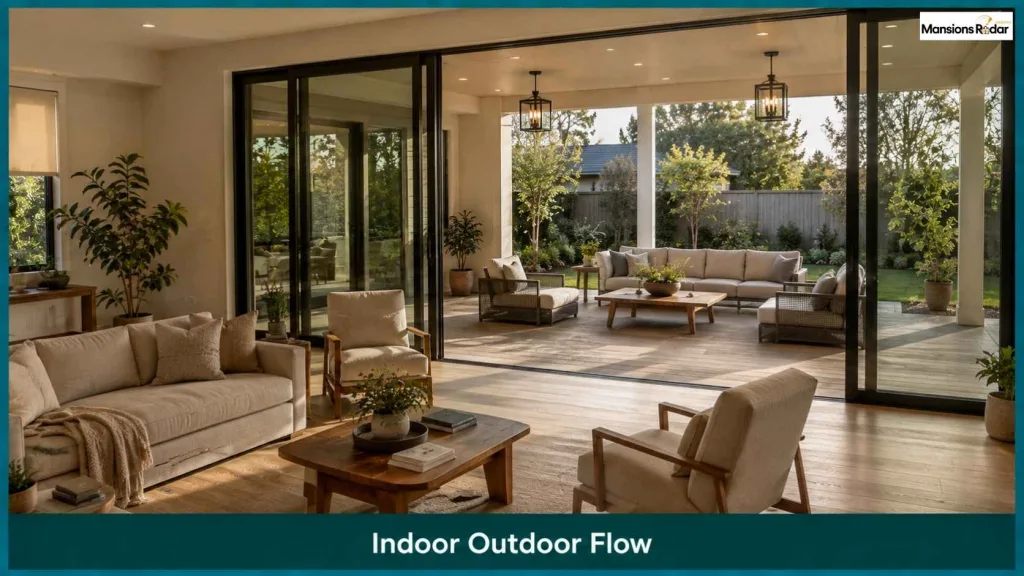
Do even two of these, and a small patio starts to feel like it doubles your living space.
Hardscape Materials
Hardscape means the hard, non-living surfaces in your yard, your patio, walkways, and retaining walls. Getting this right matters more than any plant choice, since it is the most expensive and hardest part to change later.
Here is what actually holds up in 2026:
- Choose textured pavers or natural stone over plain poured concrete. They cost more upfront but do not crack, fade, or look dated the way a single flat concrete slab does after a few years.
- Stick to natural, blended tones. Grays and browns that mix a few shades age better than a single flat, uniform color, which shows dirt and stains much faster.
- Use artificial turf only where real grass struggles. Small side yards, dog runs, or high traffic paths are good spots for it. It is not a good full lawn replacement in a large, open backyard.
- Pick materials rated for your climate. Some stone and pavers crack in freeze-and-thaw cycles. Ask your supplier if the material is rated for your region before buying.

Spend the extra money on hardscape now. It is the one part of your yard you are not likely to redo for another 15 to 20 years.
Patio and Garden Layouts to Choose From
The right layout depends on your yard’s shape, size, and how you plan to use it. Here are the most common options.
Patio Layouts
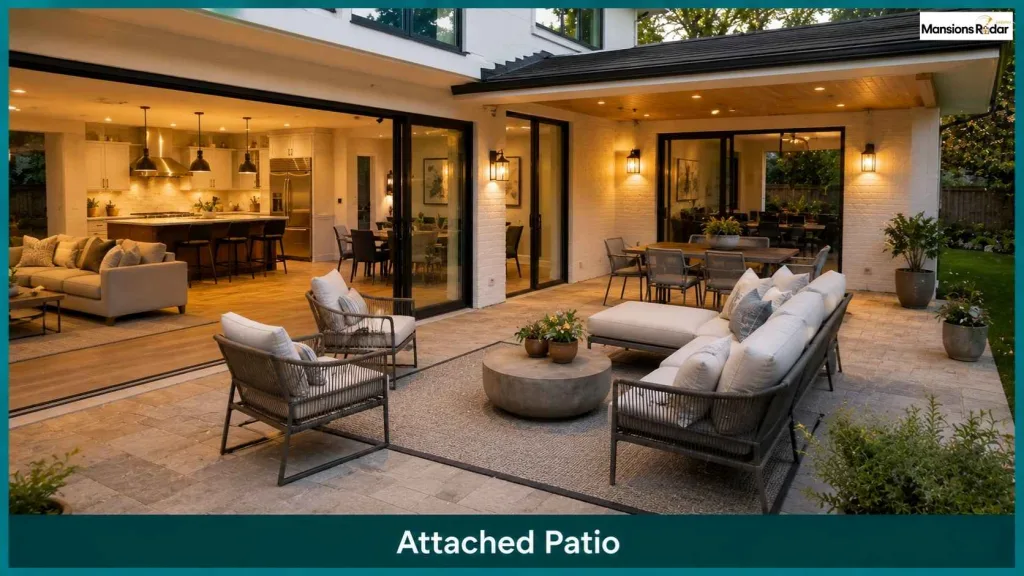
Attached Patio
An attached patio connects directly to the back of the house, often beside the kitchen or living room. It works well for most yards and creates an easy indoor to outdoor flow for everyday use and entertaining.
Freestanding Patio
A freestanding patio sits away from the house, often near a tree, garden, or other outdoor feature. It works best in larger yards and creates a quiet, separate space for relaxing, dining, or entertaining.

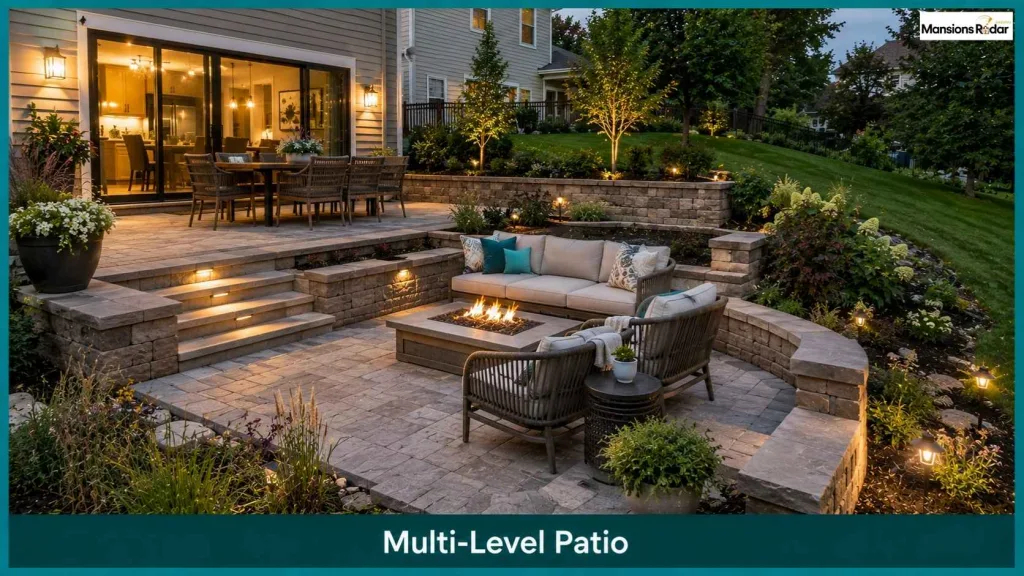
Multi-Level Patio
A multi-level patio uses steps or low walls to create separate areas for dining and relaxing. It works especially well on sloped yards or when you want to divide activities without building full walls.
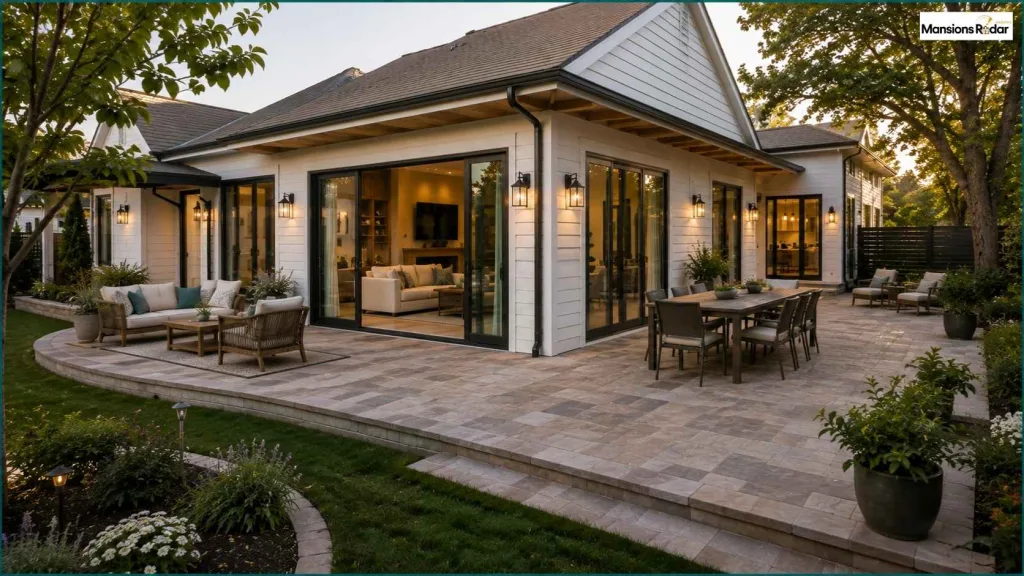
Wraparound Patio
A wraparound patio extends along two or more sides of the house. It works well for corner lots or homes with multiple outdoor entrances, giving you more space for seating, dining, and relaxing.
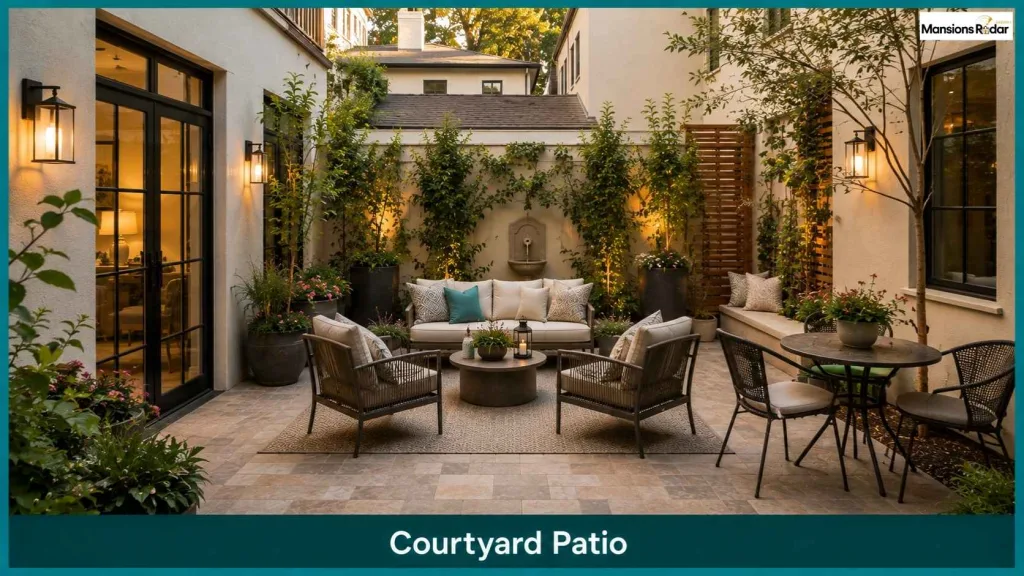
Courtyard Patio
A courtyard patio is enclosed by the home, walls, or fencing, creating a quiet and private outdoor space. It is ideal for smaller urban yards where privacy and comfort matter more than wide open views.
Garden Layouts
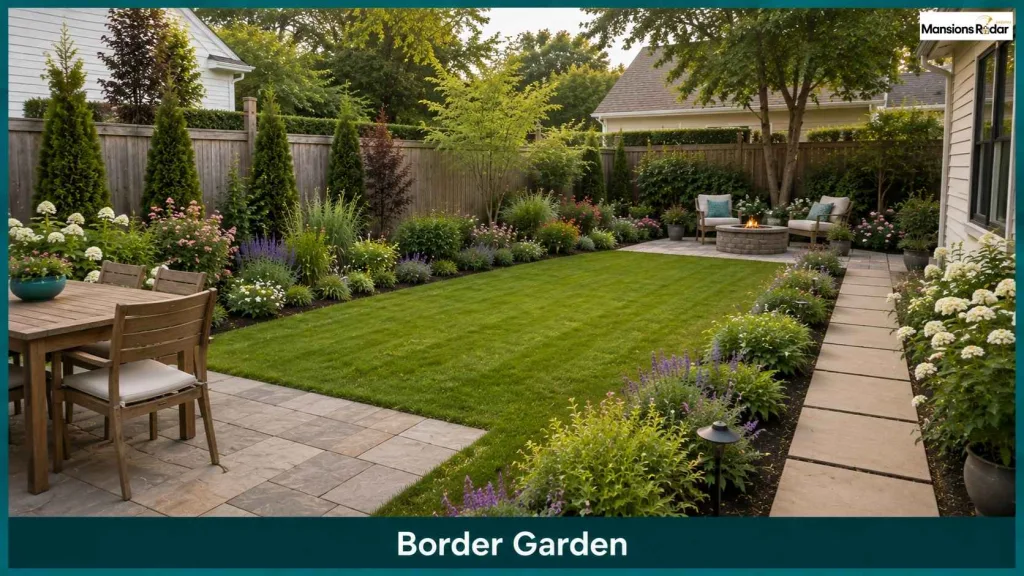
Border Garden
A border garden places plants along the edges of a lawn, patio, or walkway instead of filling the center. It is easy to maintain, budget friendly, and suitable for almost any yard size.
Raised Bed Garden
A raised bed garden grows plants in contained beds above ground level. It works especially well for vegetables and herbs, offering better drainage, more consistent soil, and easier access for planting and maintenance.

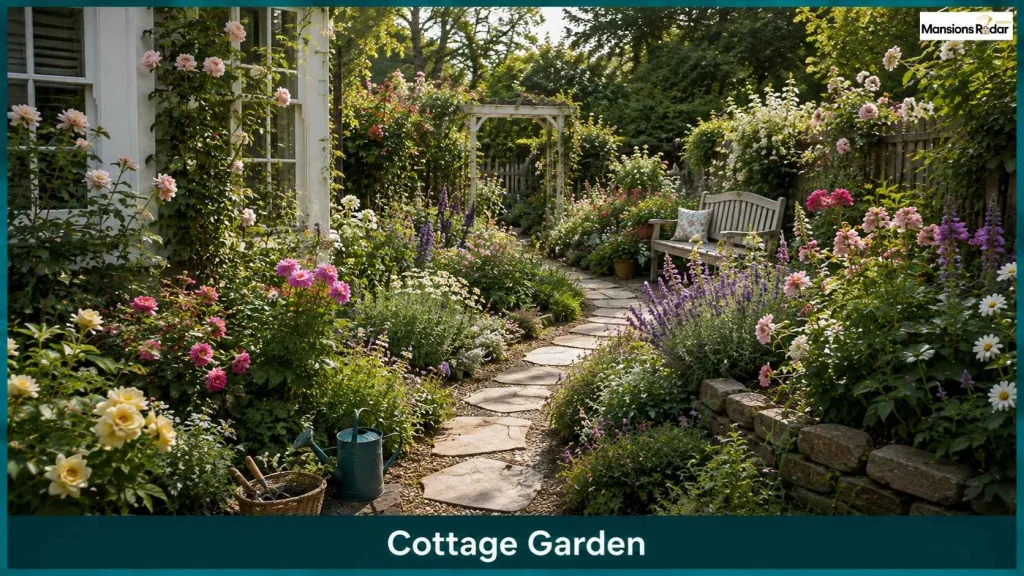
Cottage Garden
A cottage garden combines flowers and greenery in a dense, layered layout with a relaxed, natural look. It needs regular upkeep to keep the plants balanced and the garden looking intentional rather than overgrown.
Xeriscape or Rock Garden
A xeriscape or rock garden uses drought tolerant plants, gravel, and stone instead of a large lawn. It is low-maintenance and water-efficient, making it a great choice for dry climates.

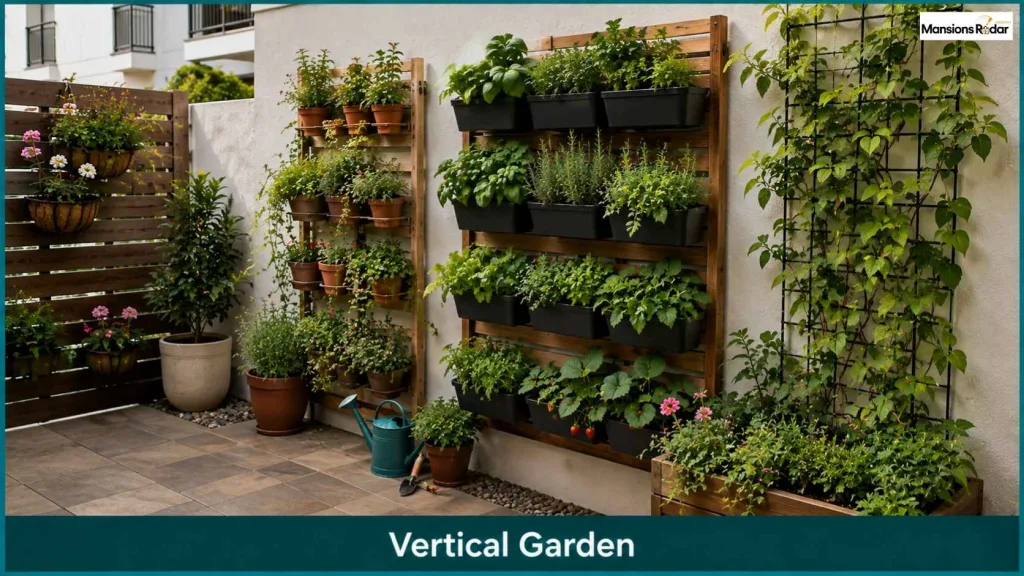
Vertical Garden
A vertical garden uses wall planters, trellises, or stacked containers to grow plants upward. It is ideal for small patios, balconies, and compact yards where floor space is limited.
What It Typically Costs
Real numbers help more than vague ranges. These are general estimates. Actual cost depends on your region and contractor, coastal and major metro areas typically run 20 to 40 percent above these figures, while rural and inland areas often come in lower.
| Project | Typical Cost |
| Basic paver patio (200 sq ft) | $2,500 to $6,500 |
| Raised garden bed (per bed) | $150 to $500 |
| Drip irrigation system (small yard) | $400 to $1,200 |
| Outdoor lighting (path and accent, per zone) | $500 to $2,000 |
| Container garden setup (per container, planted) | $30 to $150 |
| Xeriscape conversion (per 1,000 sq ft) | $3,000 to $8,000 |
If you are planning upgrades inside the home at the same time, this home upgrades guide breaks down indoor project budgets too.
Outdoor Furniture and Lighting
How to Choose Durable Outdoor Furniture
Choose outdoor furniture for durability and everyday comfort, not just showroom style. In 2026, weather resistant materials and cushioned, low profile seating are popular because they make patios more comfortable and practical for long hours of use.

How to Use Outdoor Lighting for Mood and Style
Use outdoor lighting to guide movement and create a warm mood, not to brighten every corner. Soft lights along paths, patios, and seating areas feel more inviting, while highlighting a tree or textured wall adds depth without making the yard feel overly bright.

Core Principles Worth Following
A few rules cut through most of the noise in outdoor design.
- Long term value beats short term looks. A high maintenance showpiece rarely stays impressive once the novelty wears off.
- Design around your daily habits. A space built for entertaining looks different from one built for quiet mornings alone.
- Flow matters more than trends. A comfortable, walkable layout ages better than whatever is popular this year.
- Phase big projects. Industry data shows more homeowners are investing in solid foundational work first, hardscape and irrigation, then adding finishes over time instead of trying to do everything at once.
Keeping Maintenance Simple
The easiest way to protect your weekends is to plan for low maintenance from the start, not to cut corners after the fact.
- Choose plants suited to your zone so they need less constant intervention
- Group plants with similar water needs together to simplify watering
- Use efficient irrigation instead of hand watering everything separately
- Pick durable hardscape materials that do not need yearly resealing or replacement
- Build a simple seasonal routine, spring cleanup, summer watering checks, fall prep, rather than reacting to problems as they appear
Small DIY Touches Worth Adding
Personal touches make a space feel lived in rather than staged. Custom planters, a small privacy screen, or a simple layout tweak are realistic weekend projects that add real character without requiring a full redesign.
Who This Approach Fits Best
- Homeowners who want a yard that works for daily life, not just photos
- Anyone tired of high maintenance gardens that demand constant attention
- People planning a phased outdoor project instead of one large renovation
- Renters or small space owners looking for container based garden ideas
Benefits of Planning This Way
- Less time spent on upkeep, more time actually using the space
- Plants that survive because they fit the local climate and soil
- A patio that feels like part of the home instead of a separate zone
- Lower risk of expensive redos from furniture or materials that fail early
Pros and Cons of a Low Maintenance, Flow First Approach
Pros
- Lower long term cost, since durable materials and suited plants need fewer replacements
- Less weekly upkeep
- A space that stays functional through changing trends
Cons
- Takes longer if you spread the project across multiple seasons
- Requires more upfront planning than simply buying whatever looks good
- Native and drought tolerant plant selection can feel limiting if you are attached to specific non-native species
Conclusion
A good outdoor space does not come from chasing every trend or filling every corner. It comes from matching plants to real conditions, building a layout around how people move and sit, and keeping maintenance realistic from the start. Start with the basics, phase the rest, and build a yard that earns its keep every week, not just in photos.
Frequently Asked Questions
What is the biggest mistake people make with garden design?
Choosing plants for looks instead of climate fit. Mismatched plants need constant help and often fail within a season.
How do I make a small patio feel bigger?
Match the flooring and lighting to your indoor space. Keep furniture scaled to the room instead of filling every inch.
What are the top outdoor design trends for 2026?
Container gardening, green drenching, native and drought tolerant planting, and seamless indoor to outdoor flow lead the list this year.
Is artificial turf a good option for a backyard?
Yes, for small areas, high traffic zones, and pet spots. It is not usually the best choice for a full lawn replacement.
How much maintenance does a low maintenance garden still need?
Some. No garden runs itself. A well planned one just needs seasonal cleanup and basic watering checks, not constant attention.
Should I finish my outdoor space all at once or in phases?
Phasing is often smarter. Finish the hardscape and irrigation first, then add furniture and finishing touches as budget allows.
What outdoor lighting works best for a patio?
Soft, layered light along paths and seating areas. Skip the single bright overhead fixture, it flattens the mood instead of building it.