A home should feel good to live in, not just good to look at. That is the idea behind Decoration Guide Homenumental, a structured way to plan a home so color, furniture, and light work together instead of fighting each other.
Instead of decorating room by room with no real plan, Decoration Guide Homenumental treats your whole home as one connected system. This guide walks through exactly how that works, with the mistakes to skip along the way.
Understanding the Concept of Decoration Guide Homenumental
Decoration Guide Homenumental is a structured approach to home decoration built around four principles: one clear style direction, a controlled color palette, layered lighting instead of a single overhead bulb, and furniture sized correctly for the room. It treats a home as one connected system rather than separate rooms decorated at random.
What Decoration Guide Homenumental Actually Means
Decoration Guide Homenumental is based on a simple idea. Every element in your home- color, furniture, lighting, and layout- should work together as one system, not as separate choices made room by room.
This approach favors long term usability over short term trends. A home built this way stays functional and visually consistent without needing constant changes.
Why Most Decoration Projects Fall Flat
Plenty of homeowners spend real money on decor and still feel like something is off. It usually comes down to a few repeated mistakes.
- No plan before buying. Rooms end up feeling disconnected from each other.
- Too much at once. Every item competing for attention makes a room feel cluttered, not stylish.
- Color chosen at random. Without a system, palettes clash instead of flowing.
- Looks over function. A beautiful room that does not work for daily life gets abandoned fast.

Decoration Guide Homenumental fixes these four issues by starting with structure before style.
Start With a Plan, Not a Shopping Cart
Before buying anything, decide what the room needs to do.
Pick One Style Direction
Choose a lane, modern, minimalist, warm contemporary, and stay in it. Mixing three styles in one room is what makes spaces feel disconnected.
Give Every Room a Job
A living room built for quiet evenings looks different from one built for hosting guests. Decide the room’s main purpose before choosing furniture or color.
Map the Layout First
Plan furniture placement around how people will actually move through the room. A layout that blocks a natural walking path will always feel wrong, no matter how nice the furniture is.
Color: The Fastest Way to Change How a Room Feels
Color affects mood more than almost anything else in a room. 2026 has moved away from the all-gray, all-white palettes of the last few years. Warm neutrals, caramel, soft browns, and muted clay are doing more of the work now, with jewel tones like emerald and sapphire showing up as accents rather than filling entire rooms.
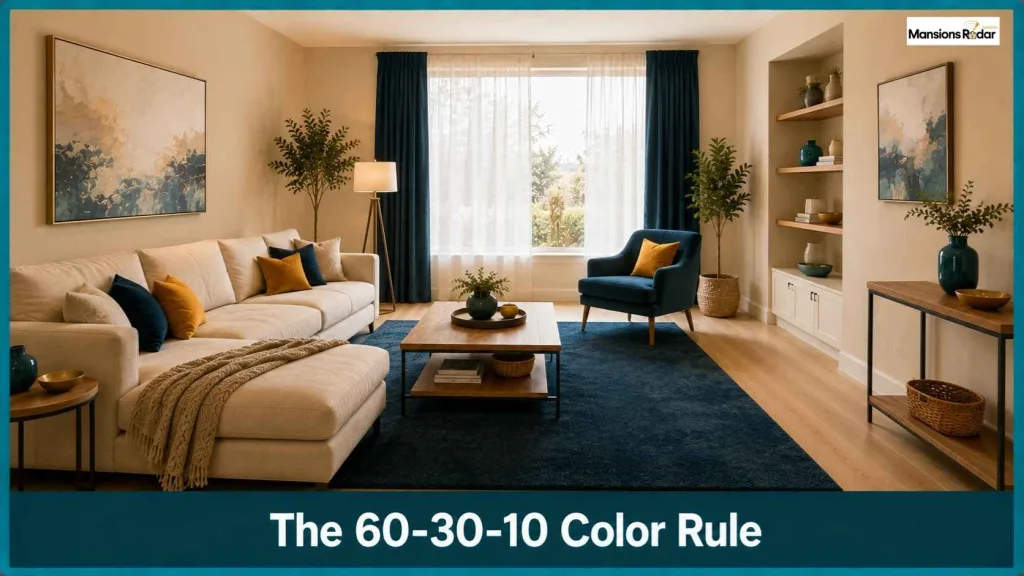
Pantone’s annual color forecasts are a reliable place to track where these palettes are heading each year. The easiest system to follow, and a core part of Decoration Guide Homenumental, is the 60-30-10 rule.
| Share | Where It Goes | Example |
| 60 percent | Dominant color | Walls, large furniture |
| 30 percent | Secondary color | Curtains, rugs, an accent chair |
| 10 percent | Accent color | Pillows, art, small decor |
Stick to this ratio and a room reads as planned, not random. A more advanced option worth knowing is color drenching, where a single warm tone covers the walls, trim, and ceiling together. It creates a calm, immersive feel when the shade stays warm and muted rather than bright or cold.
A gallon of quality paint typically runs $40 to $70 and covers about 350 square feet, enough for most single walls or a small accent room.
Furniture That Fits the Room, Not Just the Store Display
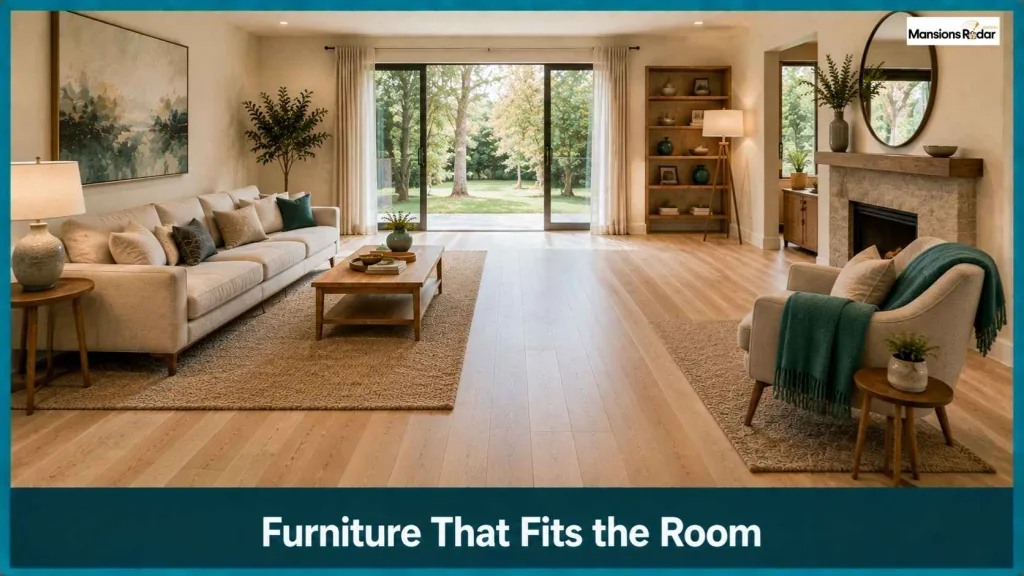
The biggest furniture mistake is buying a piece that looks great in a showroom and wrong at home. Measure the room first, then shop.
- Oversized furniture in a small room kills the walking path
- Multi-functional pieces, storage beds, modular sofas, save space without looking bare
- Leggy furniture with visible legs makes a room feel lighter than blocky, heavy bases
If a room needs more than new furniture, like a full layout change or a structural update, this home upgrades guide breaks down realistic budgets for that next step.
Lighting Is Structure, Not an Afterthought
A single ceiling light is the single biggest reason a finished room still feels flat. Decoration Guide Homenumental treats lighting as three separate layers, not one fixture.
- Ambient light for overall brightness, ceiling fixtures or recessed lights
- Task light for specific work, under cabinet lights, desk lamps, reading lamps
- Accent light to highlight art, shelving, or a textured wall
Color temperature matters as much as placement. A commonly recommended range is 2700K to 3000K for living rooms and bedrooms, since it reads warm and relaxed. Kitchens tend to work better around 3000K to 3500K, bright enough to cook and read labels without feeling clinical. Bathrooms usually sit around 3000K to 4000K, depending on how much the mirror gets used for grooming and makeup.

If your living room only has one ceiling light right now, you are missing at least two layers. Adding smart bulbs or motion sensors on top of this layout is a natural next step. This guide to hidden smart lighting covers how to bring automation into the same setup without it looking bolted on.
Room by Room, What Actually Matters
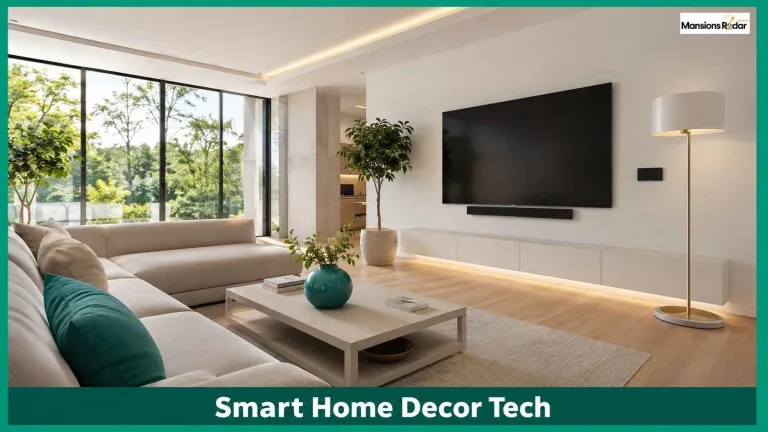
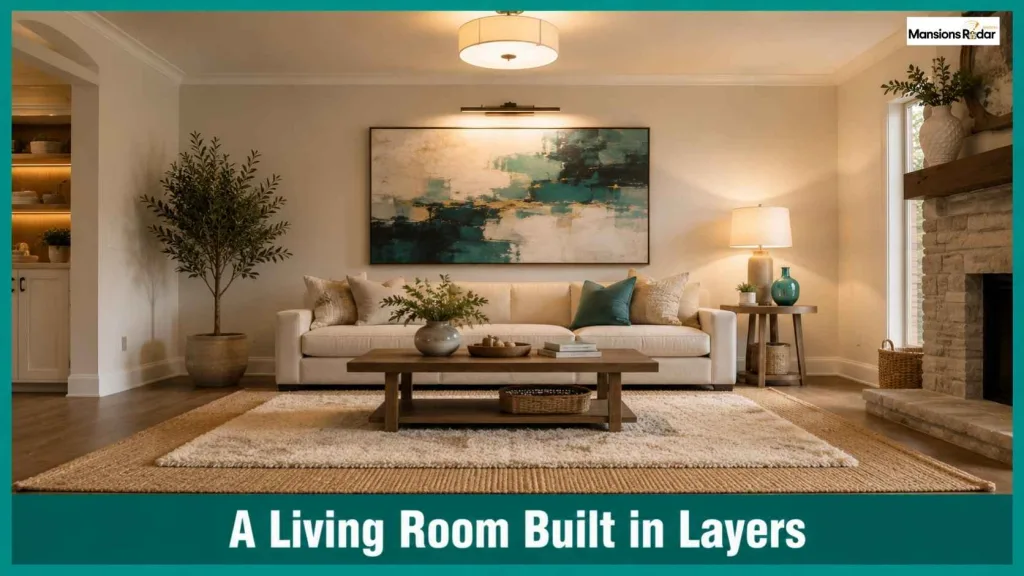
Living Room
- One focal point, a large piece of art or a statement mirror
- All three lighting layers, since this room gets the most daily use
- A layered rug, a smaller plush rug over a larger woven base, adds warmth fast
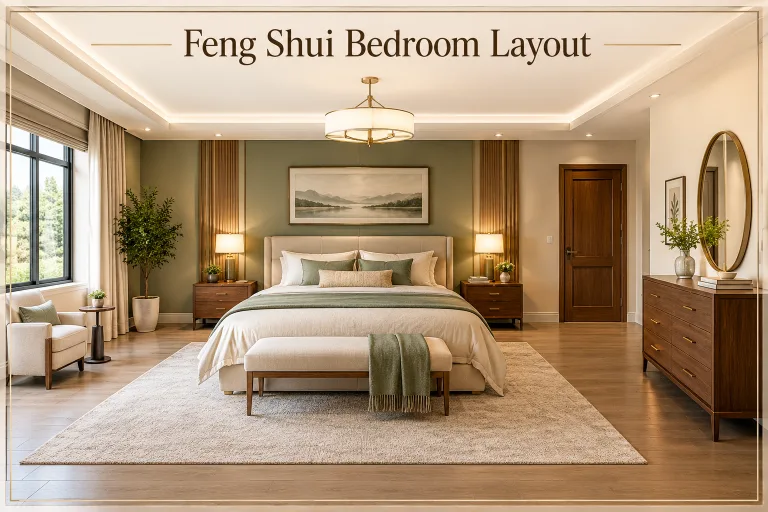
Bedroom
- Warm, dim capable lighting, closer to 2700K
- A neutral base with one accent color in bedding or a throw
- Nightstands sized to the bed, not the room

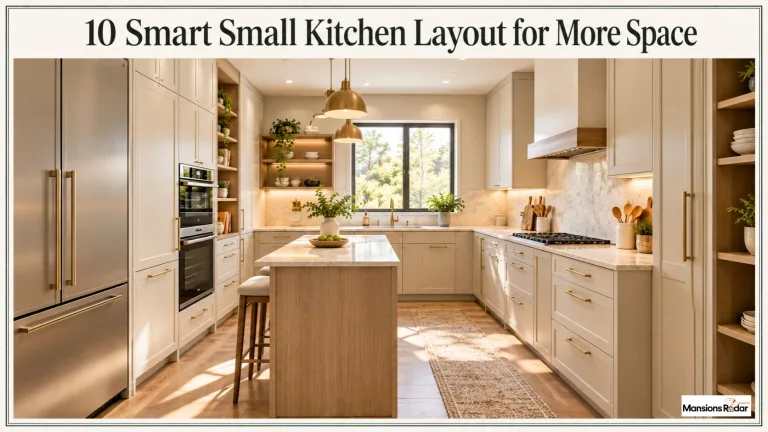
Kitchen
- Task lighting under cabinets is non negotiable, not optional
- Brass or bronze hardware over matte black is the current shift for 2026
- Keep counters mostly clear so the layout still reads as functional

Entryway
- One drop spot for keys, mail, and shoes, kept visually simple
- A single accent piece, a mirror or a small bench, not both
- Warm lighting that turns the space welcoming instead of purely functional

Walls Deserve a Focal Point, Not Clutter
Every wall does not need to be filled. Pick one focal point per room and keep everything else around it simple. A crowded wall competes with itself and nothing stands out.
Space and Layout: Function Before Style
A well decorated room still needs to work.
- Keep walkways clear, furniture should never block a natural path through the room
- Leave breathing room between pieces instead of pushing everything to the walls
- Use vertical storage, shelves and tall cabinets, to free up floor space
- Remove anything without a clear purpose before adding anything new
Texture Is What Makes a Room Feel Finished
Flat rooms usually lack texture, not color. Mixing wood, fabric, stone, and metal adds depth that paint alone cannot. Hardware finishes have shifted too. Warm brass and bronze are replacing matte black as the preferred metal finish for handles, faucets, and light fixtures in 2026.

Decorate With Intention, Not to Fill Space
This is the core principle behind Decoration Guide Homenumental. Every item in a room should earn its spot, either by doing something useful or by genuinely mattering to you. Filling empty corners with random decor is how clutter starts. A few meaningful pieces almost always beat a shelf full of filler.

Common Decoration Mistakes to Avoid
- Chasing a trend that will look dated in two years
- Skipping lighting layers and relying on one overhead fixture
- Using too many contrasting colors without a system
- Overcrowding walls and surfaces with decor
- Buying furniture before measuring the room
Why This Approach Works
Decoration Guide Homenumental works because it replaces guesswork with structure. Instead of decorating one room at a time with no connection to the rest of the house, it gives every choice, color, furniture, layout, and light, a clear role in a bigger plan. The result is a home that stays comfortable and cohesive, not one that needs constant redecorating to feel right.
Final Thoughts
A home that feels finished is not the result of luck or a big budget. It comes from a clear plan, a controlled color palette, layered lighting, and furniture that actually fits the space. Follow the Decoration Guide Homenumental approach one room at a time, and let each choice build on the last.
Frequently Asked Questions
What is Decoration Guide Homenumental?
A structured approach to home decoration that treats color, furniture, lighting, and layout as one connected system instead of separate room by room choices.
What is the 60-30-10 rule in home decoration?
It is a color ratio: 60 percent dominant color for walls and large furniture, 30 percent secondary color for textiles, and 10 percent accent color for small decor and art.
How many light sources should a living room have?
At least three: an ambient source for overall brightness, a task light for specific activities, and an accent light to highlight art or a feature wall.
What color temperature is best for a living room?
A commonly recommended range is 2700K to 3000K, a warm white that feels relaxed rather than clinical.
Why does my decorated room still feel flat?
It is usually missing texture, not color. Mixing wood, fabric, stone, and metal adds the depth that flat, single material rooms lack.
Should I decorate with matte black or brass hardware in 2026?
Warm brass and bronze finishes are trending over matte black this year, especially paired with warm neutral color palettes.
What is the biggest mistake in home decoration?
Buying furniture and decor without a plan. Rooms end up feeling disconnected when there is no consistent style, color system, or layout strategy behind them.
How much does it cost to repaint a room?
A gallon of quality paint typically costs $40 to $70 and covers about 350 square feet, usually enough for one accent wall or a small room.