Moving to Tucson can mean adjusting to more than a new address. The desert climate, neighborhood layout, cooling costs, parking, internet access, and rental features can all affect how comfortable a home feels once you settle in.
If you’re relocating from another part of Arizona or moving to Southern Arizona for the first time, choosing a rental requires some local context. The right apartment isn’t simply the one with the best floor plan. It’s the one that works with your commute, budget, daily routine, and the realities of living in Tucson.
Start with the part of Tucson that fits your daily routine
Tucson covers a large area, and two apartments that look fairly close on a map can provide very different day-to-day experiences. Before comparing individual properties, work out where you expect to spend most of your week.
Someone working near the University of Arizona may value access to central Tucson differently from someone commuting to an employer farther north or southeast. If you work remotely, proximity to an office may matter less than reliable internet, a quiet room, nearby groceries, or enough space for a home office.
Think about the trips you’ll make repeatedly rather than the attractions you might visit occasionally. Consider your workplace, school, grocery store, medical appointments, gym, and other regular destinations. Test the drive at the times you’ll actually travel whenever possible.
Parking deserves similar attention. A property may advertise parking without making it obvious whether the space is assigned, covered, gated, or shared. In Tucson, covered parking can be particularly useful because a vehicle left in direct summer sun can become extremely hot. If you have two cars, confirm whether the lease allows both and whether a second space costs extra.
People relocating without a car should investigate transportation before signing. Look at the actual route between the apartment and the places you’ll visit frequently. A rental that works well for a driver may be inconvenient for someone who depends on walking, cycling, public transport, or rideshare services.
The goal isn’t to identify a universally “best” Tucson neighborhood. It is to reduce the amount of friction built into your normal week.
Compare rentals by total living cost, not rent alone
Monthly rent is the easiest number to compare, but it rarely represents the complete cost of living in an apartment.
When reviewing apartments for rent in Tucson, AZ, pay attention to what each property includes before comparing advertised prices. A unit with slightly lower rent may cost more overall if you’re separately responsible for several utilities, parking, pet charges, or other recurring fees.
Ask the property manager for a clear breakdown of both move-in and monthly expenses. Depending on the rental, those can include electricity, water, sewer, trash, internet, parking, renter’s insurance, pet rent, or community fees.
Electricity deserves particular attention when you’re moving to Southern Arizona. Air conditioning can be a major part of summer comfort, so two similarly priced apartments may not have similar operating costs. The age of the building, insulation, window exposure, thermostat, HVAC system, unit position, and temperature preferences can all influence what you ultimately pay.
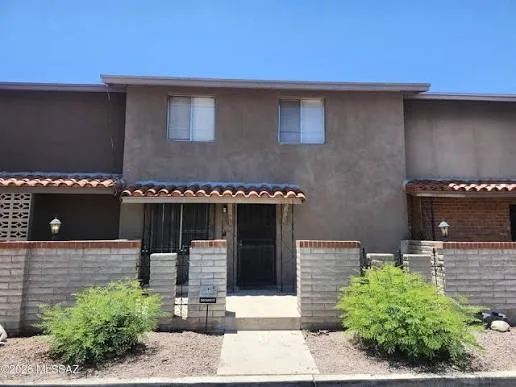
A west-facing upper-floor apartment, for example, may feel quite different in the afternoon from a lower-floor unit with less direct sun. That doesn’t automatically make one unsuitable. It simply means those physical characteristics should be part of your decision rather than an afterthought.
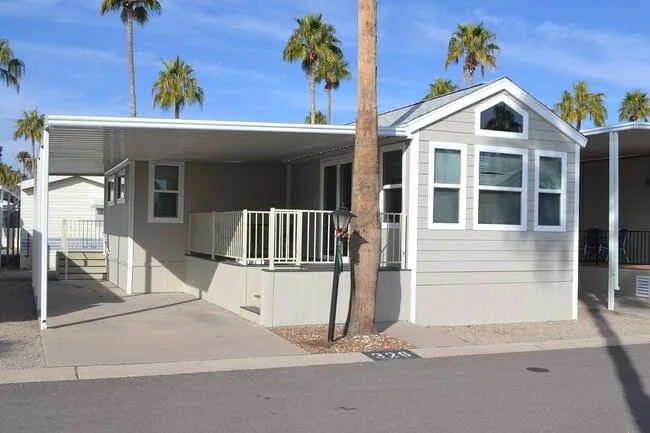
If possible, ask what type of cooling the property uses and whether the system serves your unit independently. Find out who controls the thermostat and who pays the corresponding utility bill.
It’s also worth asking exactly which advertised charges are mandatory. A modest fee can become meaningful when it appears every month for a full lease term. Compare properties using one total figure:
Rent + required recurring fees + estimated utilities + parking + pet costs
That gives you a much more useful comparison than advertised rent alone.
Inspect the apartment with Tucson’s climate in mind
An apartment tour is usually focused on space, finishes, and general condition. In Tucson, it should also be a climate check.
Start with the cooling system. Confirm that it is operating during your visit if conditions allow. Notice whether airflow reaches bedrooms and other enclosed spaces, not merely the living room.
Ask who handles HVAC maintenance and how residents request repairs. You don’t need to become an air-conditioning expert, but you should understand the process before the hottest part of the year rather than discover it after a problem occurs.
Windows are another useful indicator. Check whether they close properly, whether direct sunlight hits large sections of glass, and whether blinds or other coverings are included. If the apartment has sliding doors, inspect those too.
Then look beyond heat.
Southern Arizona’s summer weather can bring intense rain and storms, so examine entrances, patios, ground-floor areas, and parking locations. You don’t need to predict every weather event. You’re simply looking for obvious issues such as poor drainage around an entrance or areas where water appears likely to collect.
Shade can also change how outdoor spaces function. A balcony may look appealing during a morning tour but receive hours of direct afternoon sun. If you expect to use a patio regularly, ask which direction it faces.
For renters with pets, outdoor conditions matter even more. Check where you’ll walk your dog, how much shade is available, and whether you can reach suitable outdoor areas without crossing large stretches of hot pavement.
These aren’t glamorous apartment-hunting questions, but they often affect your experience more than countertop finishes or decorative fixtures.
Check internet, connectivity, and smart-home restrictions before signing
For a LinkdHOME reader, the technology inside a rental deserves more attention than it typically receives during apartment hunting.
Start with internet service. Don’t assume every provider available elsewhere in Tucson serves the exact address you’re considering. Ask which providers currently service the property, then verify availability for the specific unit when possible.
This matters especially if you work from home, stream heavily, play online games, or rely on cloud-connected security devices. “Internet available” tells you very little about the connection choices you will actually have.
Inside the apartment, think about where networking equipment will go. If you use your own router, mesh Wi-Fi system, smart-home hub, or wired devices, check the likely modem location and the layout between that point and your office, television, or other important rooms.
Older or larger apartments can present Wi-Fi challenges because of wall construction and room placement. You don’t need to perform a full wireless survey during a showing, but noticing where equipment must be installed can save frustration later.
Smart-home users should also find out what renters are allowed to modify.
A tenant may want to install a smart thermostat, video doorbell, smart lock, contact sensor, or wall-mounted control. Whether you can do so depends on the property and the changes required. Some devices install without permanent modification, while others involve wiring, drilling, or replacing landlord-owned hardware.
Get permission before changing locks, thermostats, electrical switches, or other permanent fixtures. If a property already supplies connected devices, ask how access is transferred between tenants and what happens to previous user accounts when someone moves out.
Privacy is worth considering as well. If the rental includes smart locks, cameras in shared areas, connected access systems, or other managed technology, understand which devices belong to you and which are controlled by the property.
Renters who enjoy home automation don’t have to abandon it. They simply benefit from choosing equipment that can move with them.
Portable smart speakers, plug-in sensors, lamps, removable light strips, standalone air-quality monitors, and many smart plugs are easier to take to your next home than equipment requiring permanent installation.
Read the lease closely before paying move-in costs
A lease should answer practical questions that may not have come up during your property tour.
Check the lease term, rent due date, renewal process, late-fee provisions, guest rules, maintenance responsibilities, parking terms, pet policies, and conditions for ending the lease. If something a leasing agent told you matters to your decision, make sure the written agreement reflects it rather than relying on a verbal conversation.
Arizona law also contains specific rules for residential security deposits. Under the Arizona Residential Landlord and Tenant Act, a landlord generally cannot demand security, including prepaid rent, totaling more than one and a half months’ rent, although a tenant can voluntarily pay more rent in advance. The statute also addresses written identification of nonrefundable charges and procedures involving deposits at the end of a tenancy.
Rental laws can change, and individual circumstances differ, so use the statute as an official reference rather than treating a general relocation article as legal advice.
Before paying anything, confirm which charges are refundable and which aren’t. Keep copies of the application, receipts, lease, payment records, and important correspondence with the landlord or management company.
You should also understand the maintenance procedure. Ask whether requests are submitted through an app, online portal, phone number, or property office. Find out how emergency maintenance is handled outside regular business hours.
That information becomes much more important when the problem involves cooling, plumbing, electrical service, or access to your home.
Document the condition of the rental on move-in day
Your rental search isn’t finished when you get the keys. The first day is your best opportunity to document what you’re actually receiving.
Before moving furniture against walls or filling cabinets, walk through the entire property. Photograph existing marks, chipped surfaces, damaged blinds, stained flooring, appliance problems, and other noticeable defects.
Don’t ignore small issues simply because you can live with them. Documentation isn’t necessarily a request for every cosmetic flaw to be repaired. It creates a record showing that the condition existed before your tenancy.
Test basic features while the property is still relatively empty. Run faucets, flush toilets, open windows, operate appliances, test outlets where practical, check door locks, and confirm that the cooling system responds to its controls.
If you’re bringing smart-home equipment, resist the temptation to install everything immediately. First establish that the rental’s existing systems function correctly. Troubleshooting is much easier when you know whether an issue existed before you connected your own hardware.
Take photos of any supplied devices as well. That might include a thermostat, router or gateway, smart lock, remote controls, garage opener, or alarm equipment. Note which items came with the property and which accessories you’re expected to return.
Then save your documentation somewhere you can access at the end of the lease. Photos buried on an old phone are far less useful than a clearly labelled folder containing your lease, move-in report, photographs, and relevant emails.
Build your first-week setup around comfort and function
A Tucson apartment can feel very different after you’ve spent a few days living in it.
Rather than buying everything before the move, give yourself time to learn how the space behaves. Notice which rooms receive strong afternoon sun, where Wi-Fi coverage drops, how quickly bedrooms cool, and which areas need additional lighting.
That approach is particularly useful for renters coming from a cooler or less sunny climate. You may discover that window coverings, fans, or furniture placement matter more than you expected.
Your technology setup may need adjustment too. A router location that looked reasonable on move-in day might leave the far bedroom with poor coverage. A smart temperature sensor may reveal that one room runs noticeably warmer than another. Those are easier problems to solve once you have information from the actual space.
Keep permanent changes to a minimum until you’re confident about both the lease rules and your preferred arrangement.
For example, test a security camera on a shelf before deciding it needs to be mounted. Try removable cable management before drilling. Use lamps with smart bulbs before replacing a wall switch. Renter-friendly choices make it easier to refine the setup without creating repair work when you eventually leave.
You’ll also want a simple plan for the problems most likely to interrupt your routine. Know where your electrical panel is if tenants have access to it, where the water shutoff procedures are documented, whom to call for maintenance, and what backup internet option you have if connectivity is important for work.
You don’t need to turn the apartment into an emergency command center. A few basic details can prevent a minor problem from becoming a confusing one.
Rent for the way you’ll actually live in Tucson
Relocating to Tucson is easier when you evaluate rentals as places to live rather than collections of features.
Start with location and your weekly routine. Compare the full monthly cost. Pay attention to cooling, sunlight, parking, internet service, and the rules governing any changes you want to make. Then read the lease carefully and document the property before unpacking.
A rental that handles those practical details well may serve you better than one with more impressive photos. The best choice is the Tucson home that fits your budget, habits, commute, technology, and everyday comfort once the moving boxes are gone.