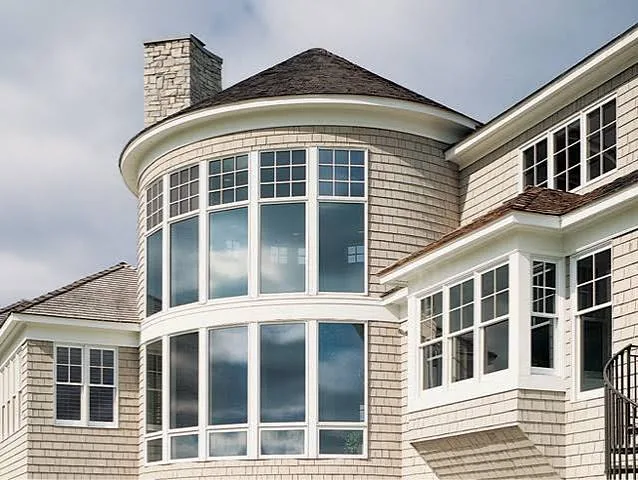
For homeowners in Whitehall, PA, window selection represents far more than a design choice—it’s a decision that directly affects monthly utility bills, indoor comfort, and long-term property value. Heating and cooling account for nearly half of a typical home’s energy consumption. The case for upgrading to energy-efficient windows has never been stronger. This guide examines how strategic choices in windows, doors, siding, and flooring can transform your home’s performance while reducing environmental impact.
The Economics of Energy-Efficient Windows
Modern energy-efficient windows deliver measurable returns through multiple mechanisms. Their benefits extend well beyond simple aesthetics:
- Lower Utility Bills: Advanced glazing and insulation technologies minimize thermal transfer, reducing heating costs by 12-24% and cooling costs by 15-30% compared to single-pane windows.
- Year-Round Comfort: Multi-pane construction with low-emissivity coatings eliminates cold spots near windows in winter and reduces solar heat gain during summer months.
- Reduced Carbon Footprint: Decreased energy consumption translates directly to lower greenhouse gas emissions, with efficient windows preventing several tons of CO2 from entering the atmosphere over their lifespan.
- Noise Reduction: The same insulation that blocks thermal transfer also dampens exterior noise, creating quieter interior spaces.
The initial investment in quality windows typically pays for itself within 8-12 years through energy savings alone, while simultaneously increasing resale value and improving daily living conditions.
Wood Windows: Balancing Tradition and Performance
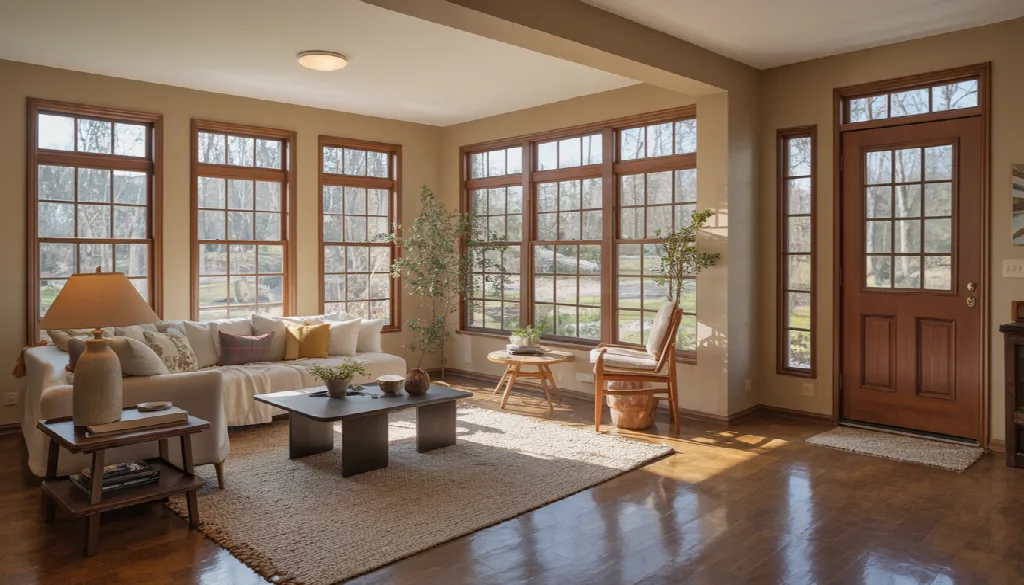
Wood windows remain a compelling choice for Whitehall homeowners seeking both visual warmth and functional performance. Their natural material properties offer distinct advantages that synthetic alternatives struggle to replicate.
The thermal performance of wood frames surpasses aluminum by a significant margin—wood conducts heat approximately 400 times slower than aluminum, making it an inherently superior insulator. This characteristic helps maintain consistent indoor temperatures while reducing the workload on HVAC systems. The natural grain patterns and rich textures of wood also provide an aesthetic depth that complements both historic and contemporary architectural styles.
Customization options with wood windows are virtually limitless. Homeowners can select from numerous species, each offering different grain patterns and natural colors, then finish them with stains or paints to match any design vision. This flexibility makes wood particularly valuable for homes with specific architectural character or historic preservation requirements.
The maintenance requirements, however, deserve honest consideration. Wood windows need periodic refinishing—typically every 3-7 years depending on exposure—to protect against moisture infiltration and UV damage. Modern wood treatments and factory-applied finishes have extended maintenance intervals considerably, but the commitment remains greater than vinyl or fiberglass alternatives. For homeowners willing to invest in upkeep, properly maintained wood windows can last 50 years or more.
Coordinating Windows and Doors for Cohesive Design
The relationship between windows and doors shapes both the visual harmony and functional performance of a home’s envelope. In Whitehall, where seasonal temperature swings demand robust thermal protection, coordinated selection of these elements becomes particularly important.
Aesthetic coordination starts with consistent design language. When window and door styles share similar profiles, glazing patterns, and finish colors, they create visual continuity that enhances curb appeal. A home with craftsman-style windows, for instance, pairs naturally with doors featuring similar divided-light patterns and proportions.
Energy performance requires equal attention to both components. ENERGY STAR certified products meet rigorous standards for thermal efficiency, with specific requirements varying by climate zone. For Pennsylvania’s mixed climate, look for U-factors below 0.30 and Solar Heat Gain Coefficients between 0.25 and 0.40 to balance winter heat retention with summer cooling needs. To learn more, refer to this detailed guide.
Practical considerations include traffic patterns and usage. High-traffic entries benefit from durable materials and hardware, while less-used doors might prioritize maximum glazing for natural light. Sliding patio doors complement large picture windows by maintaining sightlines, while French doors create formal symmetry when paired with double-hung or casement windows.
Recognizing When Window Replacement Makes Sense
Window replacement represents a significant investment, making timing crucial for maximizing return. Several clear indicators signal when replacement becomes financially prudent rather than merely desirable.
Physical symptoms of window failure include:
- Persistent Drafts: Air infiltration around closed windows indicates failed weatherstripping or warped frames, forcing HVAC systems to work harder.
- Condensation Between Panes: Moisture trapped in double or triple-pane units means seal failure, eliminating the insulating benefit of the air space.
- Operational Difficulties: Windows that stick, bind, or require force to operate have structural issues that will worsen over time.
- Visible Deterioration: Cracked glass, rotted wood, or corroded metal compromises both function and security.
- Unexplained Energy Cost Increases: Rising utility bills without corresponding usage changes often point to declining window performance.
The financial case for replacement strengthens when multiple windows show these symptoms simultaneously. Replacing all windows at once typically costs 15-20% less per unit than staged replacements, while delivering immediate whole-house performance improvements. Asking installers such as Tom Adams Windows & Carpets, Renewal by Andersen, or Window World to price both a whole-house window replacement and a partial one makes that per-unit difference easy to compare.
Window Screen Maintenance: Protecting Your Investment
Window screens serve multiple functions beyond keeping insects out—they filter airborne particles, protect glass from debris, and enable natural ventilation without compromising security. Regular maintenance extends their service life while preserving these benefits.
Effective screen maintenance follows a straightforward protocol:
- Seasonal Inspection: Examine screens each spring and fall for tears, holes, loose frames, or damaged splines. Early detection prevents minor damage from expanding.
- Regular Cleaning: Vacuum screens monthly during high-use seasons to remove dust and pollen. Annual washing with mild soap and water maintains mesh integrity and appearance.
- Minor Repairs: Small holes (under 1 inch) can be patched with screen repair kits available at hardware stores. Larger damage typically requires full screen replacement.
- Frame Maintenance: Tighten loose corners and replace worn splines before they allow screen material to pull free.
Professional screen repair services handle complex issues like bent frames, specialized mesh materials, or custom sizing. For standard repairs, DIY approaches save money while maintaining functionality. The modest investment in screen maintenance protects the larger investment in windows themselves by preventing scratches and reducing cleaning frequency.
Siding: The First Line of Defense
Siding forms the primary barrier between your home’s structure and Pennsylvania’s variable weather—from summer humidity to winter ice. Its condition directly affects energy efficiency, moisture control, and structural integrity.
Quality siding provides multiple protective functions. It sheds water away from the building envelope, preventing moisture infiltration that leads to rot, mold, and insulation degradation. It also contributes to thermal performance by adding an insulation layer and reducing air infiltration. Modern siding materials can improve a home’s overall R-value by 2-3 points, translating to measurable energy savings.
Maintenance requirements vary by material:
- Vinyl Siding: Requires annual washing and periodic inspection for cracks or loose panels. Minimal maintenance but can become brittle over time.
- Fiber Cement: Needs repainting every 10-15 years but resists rot, insects, and fire. Offers excellent durability with moderate maintenance.
- Wood Siding: Demands regular painting or staining every 3-7 years plus vigilant moisture management. Provides unmatched aesthetic appeal for those willing to invest in upkeep.
- Engineered Wood: Balances wood’s appearance with improved moisture resistance, requiring refinishing every 5-8 years.
Regular inspection catches problems early. Look for warping, gaps, discoloration, or pest damage during seasonal checks. Addressing minor issues promptly prevents expensive structural repairs later.
Flooring: The Foundation of Interior Design
Flooring selection completes the transformation begun with new windows and doors, tying together the home’s aesthetic while meeting practical demands. The right flooring choice balances durability, maintenance, comfort, and style.
Key considerations when selecting flooring include:
- Traffic Patterns: High-traffic areas like entryways and kitchens demand durable materials—porcelain tile, luxury vinyl plank, or engineered hardwood. Bedrooms and formal spaces can accommodate softer options like carpet or solid hardwood.
- Moisture Exposure: Bathrooms, laundries, and basements require water-resistant materials. Tile, luxury vinyl, and sealed concrete perform well in damp conditions, while traditional hardwood should be avoided.
- Maintenance Requirements: Busy households benefit from low-maintenance options like luxury vinyl or tile. Hardwood and natural stone require more care but offer timeless appeal.
- Thermal Properties: Flooring affects perceived comfort and heating efficiency. Carpet provides warmth and sound dampening, while tile and stone feel cool but work well with radiant heating systems.
- Design Continuity: Flooring should complement window and door finishes. Wood floors in similar tones to wood windows create cohesion, while neutral tile or carpet provides flexibility.
Installation timing matters when coordinating multiple home improvements. Complete window and door replacement before installing new flooring to avoid damage from construction traffic. This sequencing also allows you to see how natural light from new windows affects flooring appearance throughout the day.
The cumulative effect of coordinated improvements—energy-efficient windows, properly maintained siding, and thoughtfully selected flooring—transforms both the performance and livability of your Whitehall home. These investments pay dividends through reduced operating costs, enhanced comfort, and increased property value, while contributing to broader environmental sustainability goals. The key lies in viewing these elements not as isolated upgrades but as integrated components of a comprehensive home performance strategy.