You might think water damage is obvious only when a ceiling starts dripping, or a carpet feels like a sponge. In reality, it often starts quietly and gets expensive fast. If you care about protecting a high-value home, understanding how water damage works can save you money, stress, and a brutal amount of cleanup. The real challenge isn’t only removing water. It’s stopping the chain reaction that follows.
What You Should Do Immediately After Discovering Water Damage
Your first move should be stopping the source if you can do it safely. Shut off the main water supply for plumbing failures. If the issue involves storms or roof leaks, reduce further exposure as much as possible without putting yourself at risk.

Then focus on these immediate steps:
– Turn off electricity in affected areas if water is near outlets or appliances
– Move valuables, rugs, and furniture away from wet zones
– Take photos and videos for insurance documentation
– Avoid walking on sagging floors or ceilings with visible water load
– Call your insurer to start the claim process
– Get professional assessment before damage spreads further
If you need expert water damage restoration, professional crews can inspect moisture levels, extract standing water, dry structural materials, and sanitize affected areas properly. That level of response is often what separates a controlled incident from a full-scale renovation.
Water Damage Moves Faster Than Most Homeowners Expect
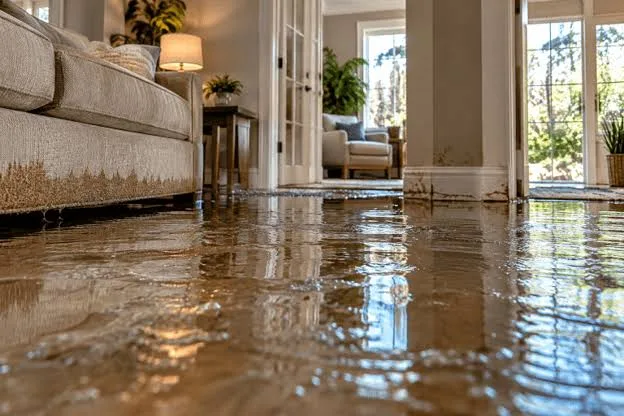
A small leak can turn into a major repair issue in less time than it takes to binge a few episodes of your favorite show. Water spreads into drywall, insulation, flooring, baseboards, and framing. Once it gets into porous materials, the damage keeps developing even after the visible water disappears.
You may notice warped wood, bubbling paint, stained ceilings, or that damp smell that seems to linger for no reason. Those signs usually mean moisture has already moved beyond the surface.
In larger homes, the problem gets trickier because water can travel through multiple levels, wall cavities, and hidden utility spaces. What looks like one localized issue might actually be several connected ones. Quick action matters because delay gives moisture more time to weaken materials and invite mold.
The Hidden Damage Is Often Worse Than the Visible Mess
The puddle on the floor gets your attention first. Fair enough. The bigger concern usually sits behind walls, under flooring, or above ceilings where you can’t see it without proper inspection.
Moisture trapped in subfloors can lead to buckling hardwood. Wet drywall can lose structural integrity and crumble. Insulation becomes less effective once soaked, which can affect temperature control and energy bills. Electrical systems also need careful evaluation when water reaches outlets, wiring, or breaker panels.
This is where homeowners sometimes make a costly mistake. They dry the obvious spots with fans, assume things are fine, and move on. Meanwhile, hidden moisture keeps doing its quiet demolition work. Water damage has a talent for looking smaller than it really is. It’s basically the master of bad surprises.
Different Water Sources Create Different Levels of Risk
Not all water damage is equal, and treating every situation the same can backfire. Clean water from a supply line leak is one thing. Gray water from appliances or overflowing fixtures carries more contaminants. Black water from sewage backups or flood intrusion is the highest-risk category and needs serious professional handling.
The source affects cleanup methods, material removal, sanitation requirements, and safety precautions. If water touched carpets, furniture, or porous finishes, contamination can spread quickly depending on the source.
You also need to think about time. Even relatively clean water can become more hazardous if it sits too long. The longer moisture remains, the more likely bacteria, odors, and mold become part of the problem. At that point, cleanup stops being a basic drying job and turns into a restoration project.
Professional Restoration Involves More Than Drying the Surface
A proper restoration job follows a sequence, not a guess. Professionals usually begin with inspection and moisture mapping. That helps identify how far the water has traveled and which materials are salvageable.
After that comes water extraction, targeted drying, dehumidification, cleaning, and material removal where necessary. Specialized equipment such as air movers, commercial dehumidifiers, moisture meters, and thermal imaging tools helps track progress accurately.
In upscale properties, restoration often requires extra care around hardwood floors, built-in cabinetry, stone finishes, wall coverings, and custom millwork. Those materials can’t be treated like standard builder-grade surfaces.
A good team also documents the process, which helps with insurance communication and creates a clearer scope for repairs. Drying things out is only one chapter. The goal is restoring the home safely, thoroughly, and with as little long-term damage as possible.
Insurance Can Help, but Documentation Matters a Lot
Many homeowners assume their policy will simply take care of everything. Sometimes it does. Sometimes it becomes a paperwork obstacle course with a few plot twists. Coverage often depends on the cause of the damage, the timing of the response, and the details in the policy.
Sudden accidental leaks are commonly covered. Long-term neglect usually is not. Flooding from external water sources may require separate flood insurance.
To improve your chances of a smoother claim, keep records from the start:
– Photos of affected rooms and damaged materials
– Videos showing active leaks or standing water
– Notes on when the damage was discovered
– Receipts for emergency mitigation expenses
– Written communication with contractors and insurance representatives
The more organized you are, the harder it is for details to get lost. In high-value homes where finishes and furnishings carry significant replacement costs, that documentation becomes even more important.
Prevention Is Less Glamorous Than Renovation but Far Cheaper
Nobody brags about their moisture monitoring system at a dinner party, yet prevention deserves far more attention than it gets. Water damage often starts with common issues: aging supply lines, clogged gutters, poor drainage, roof wear, appliance failures, and neglected HVAC condensate lines.
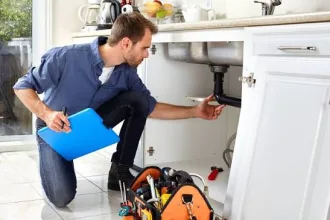
A practical prevention plan includes regular inspections and a few smart upgrades. Check under sinks, around water heaters, behind washing machines, and near refrigerators with water lines. Inspect attic spaces after heavy rain. Make sure downspouts move water away from the foundation.
You should also consider:
– Leak detectors near vulnerable plumbing areas
– Automatic water shutoff systems
– Annual roof inspections
– Routine plumbing checks in older homes
– Sump pump testing before storm season
Luxury homes often have more bathrooms, more appliances, and more complex mechanical systems. More features can mean more convenience, but also more places for water to go rogue.