San Diego has a charm few cities can match, and much of that charm comes from its age. Craftsman bungalows in North Park, mid-century homes in Clairemont, and Spanish revival houses near Balboa Park all carry decades of character in their walls. Their pipes carry decades of history too, and not the good kind.
Underneath the pretty tile floors and restored hardwood, an entire underground world is quietly working against homeowners. Silt, sand, and general grit have drifted through these old pipelines for years, and the slow buildup is finally catching up with plumbing systems never designed for today’s water demands. Here’s what is really happening below the surface, in plain language.
Old Pipes, New Problems
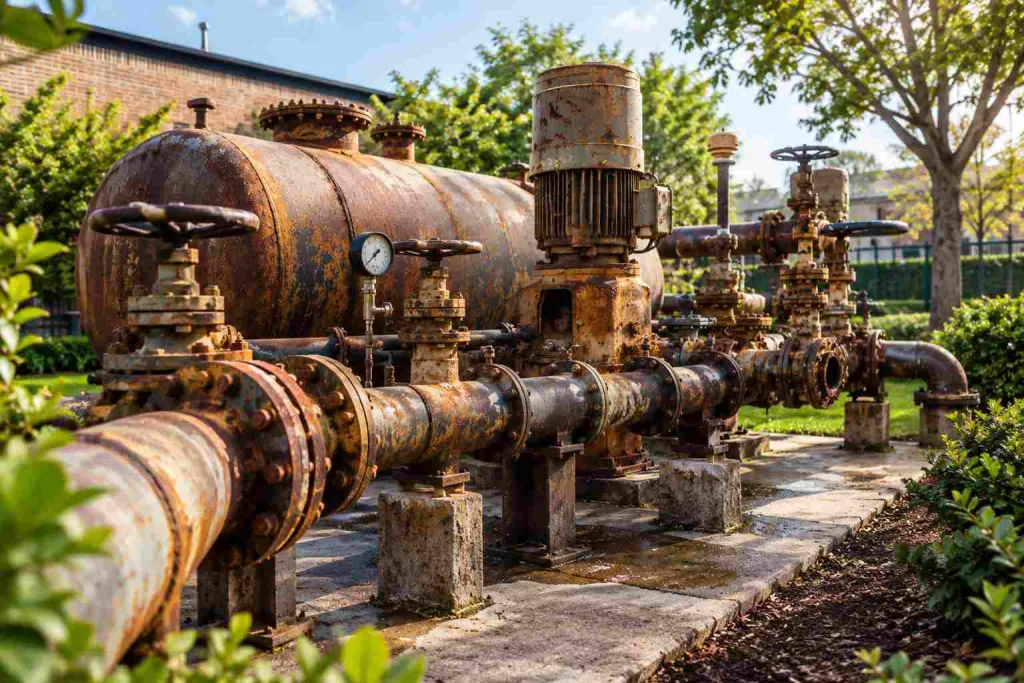
Most homes built before the 1980s in San Diego used galvanized steel or early copper piping, both of which corrode from the inside out over time. As the metal wears down, tiny flakes and rough patches form along the interior walls, creating the perfect surface for sediment to grab onto and build up layer by layer.
Where All That Sediment Comes From
San Diego sits on a mix of sandy coastal soil and mineral-rich groundwater, and both play a role in what ends up inside your pipes. Even treated municipal water carries trace amounts of fine particles, and over years, those particles settle wherever the water flow slows down, like elbow joints, valves, and older fixtures.
There is also the matter of cross-connection risk, where contaminated water can theoretically flow backward into a clean supply line during pressure drops. Keeping your water supply protected starts with a properly maintained prevention system, which is where San Diego Backflow Testing can be helpful. A functioning device stops that backward flow before it becomes a bigger issue, sediment included.
Silt vs Sand vs Sediment: Know Your Enemy
These three words get tossed around like they mean the same thing, though each behaves a little differently inside a pipe once it settles into your plumbing system.
- Silt is the finest of the three, almost powder-like, and it tends to coat pipe walls in a thin film that thickens gradually.
- Sand is coarser and heavier, so it settles quickly in low-flow areas and can jam moving parts inside faucets and valves.
- Sediment is really the umbrella term, covering silt, sand, rust flakes, and mineral scale all mixed together into one stubborn sludge.
Understanding which one is dominant in your home helps a plumber choose the right cleaning method. A pipe coated in silt needs a different approach than one packed with sand near the water heater intake.
Older neighborhoods near the coast tend to see more sand intrusion, and this is common in homes with private wells or older service lines connected near sandy soil beds. Inland communities generally deal with more mineral sediment thanks to harder water, and their pipes often show a chalky white buildup instead of the gritty coastal kind.
Signs Your Pipes Are Fighting a Losing Battle
Sediment rarely announces itself loudly. It shows up in small, easy-to-ignore ways until the problem grows too big to overlook.
Watch for these common clues:
- Water pressure that drops gradually rather than all at once
- A gritty or cloudy appearance right after turning on the tap
- Faucets and shower heads that clog faster than they used to
- Strange rattling or knocking sounds coming from the pipes
- A metallic or earthy smell in tap water
Any one of these on its own might not mean much. Two or three happening together usually points to sediment buildup somewhere in the line.
Simple Habits That Keep Sediment in Check
Homeowners cannot stop sediment from entering the water supply entirely, yet a few steady habits go a long way toward slowing it down and protecting the pipes for years to come.
Flushing the water heater once or twice a year clears out the settled layer at the bottom of the tank, where sediment collects the fastest. Skipping this step for years often leads to reduced heating efficiency and strange noises during operation.
Installing a whole-house sediment filter near the main water line catches particles before they ever reach individual fixtures. It is a relatively small investment compared to replacing corroded pipe sections down the road.
Scheduling a professional inspection every couple of years, particularly for homes built before 1985, gives a clear picture of what is happening inside walls and under floors. Cameras and pressure tests reveal buildup long before it turns into a full blockage or leak.
Living With Character, Not Clogs
Older San Diego homes will always come with a bit of extra upkeep, and that is part of what makes them special. Sediment buildup is simply one more chapter in that ongoing story, not a reason to panic or assume the worst about a property’s plumbing.
With a little awareness, a few smart habits, and the occasional professional check-in, silt, sand, and sediment stay manageable rather than destructive. The goal is not a perfect, sediment-free system, since that barely exists anywhere. The goal is a system that keeps working quietly in the background, the same way it has for decades, so the house above it can keep doing what it does best: being lived in and loved.
Frequently Asked Questions
What are the main components causing clogs in older pipes in San Diego?
The main components causing clogs in older pipes are silt, sand, and sediment. These materials can build up over time due to the corrosion of older piping and the characteristics of San Diego’s sandy coastal soil and mineral-rich groundwater.
How do I know if my pipes are experiencing sediment buildup?
Signs of sediment buildup may include gradually dropping water pressure, a gritty or cloudy appearance in your water, clogged faucets and shower heads, strange noises from your pipes, or a metallic or earthy smell in your tap water. If you notice two or more of these signs, it may indicate a buildup issue.
How can I prevent sediment from clogging my pipes?
To prevent sediment buildup, you can flush your water heater once or twice a year, install a whole-house sediment filter near the main water line, and schedule professional inspections every couple of years, especially for homes built before 1985. These practices help manage sediment and protect your plumbing system.
What is the difference between silt, sand, and sediment in relation to plumbing?
Silt is the finest material, resembling a powder, and forms a thin film on pipe walls. Sand is coarser and settles quickly in low-flow areas, potentially jamming moving parts. Sediment is a broad term that encompasses silt, sand, rust flakes, and mineral scale, which can all contribute to plumbing issues.
Is it normal for older homes in San Diego to have plumbing issues?
Yes, it’s common for older homes in San Diego to experience plumbing issues due to the age of the pipes and the materials used. While sediment buildup is a natural part of the aging process, staying aware and maintaining your plumbing can help keep issues manageable rather than overwhelming.