Colorado mountain living has a way of reshaping what people value in a home because the setting itself becomes part of everyday life. The appeal goes far beyond being close to ski terrain or waking up to snow covered peaks. It is also about living in a place where architecture, landscape, comfort, and outdoor access all work together in a way that feels intentional rather than decorative.
For many homeowners, luxury in the Colorado mountains does not mean filling a house with flashy finishes or oversized rooms that rarely get used. Instead, it often means having a home that feels warm in winter, open and airy in summer, practical after a day outdoors, and visually connected to the scenery in every season. Large windows, natural materials, comfortable gathering spaces, thoughtful storage, and easy transitions between indoors and outdoors tend to matter far more than excess for its own sake.
That is part of what makes these homes so interesting. They are designed not only to look impressive, but also to support a lifestyle that changes with the weather, the season, and the rhythm of mountain living.
What Luxury Mountain Living Really Looks Like
Luxury homes in Colorado often have a different personality from high end homes in major cities. Rather than focusing on polished formality, many mountain properties are designed around comfort, warmth, and the surrounding environment, creating spaces that feel elevated without losing the relaxed character people expect from a home in the mountains.
A typical luxury mountain residence may include expansive windows positioned to capture views of ridgelines, forests, ski runs, or open valleys, while interior spaces are arranged so those views remain visible from the rooms used most often. Kitchens, living areas, primary bedrooms, and outdoor terraces are frequently oriented toward the landscape because the scenery is not treated as a background feature. It becomes one of the defining parts of the home.
Materials also play an important role in setting the tone. Wood, stone, leather, wool, metal, and textured fabrics can create a sense of depth and warmth, especially when they are used in a balanced way rather than layered too heavily. The best interiors often feel comfortable enough for daily use while still reflecting a high level of craftsmanship and attention to detail.
And that is an important distinction. A luxury mountain home should still feel like a place where people can come in from the snow, kick off their boots, make coffee, gather around the fire, and actually relax without worrying that the house is too formal to enjoy.
Architecture That Feels Connected to the Landscape
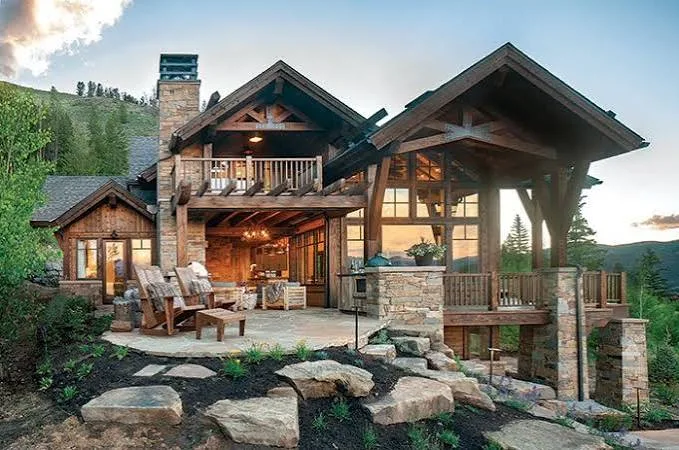
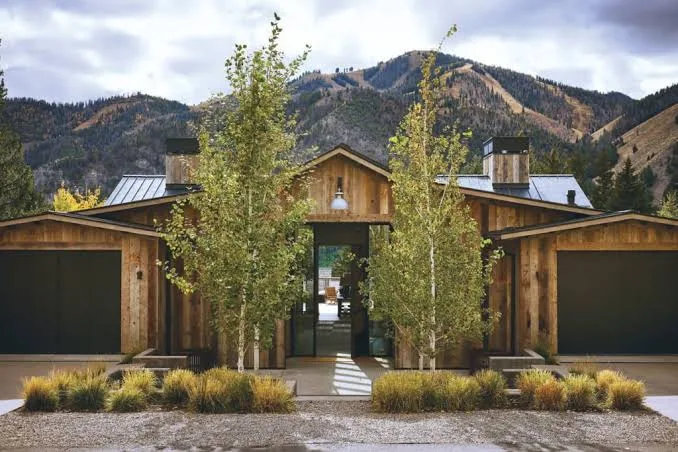
Colorado mountain architecture has changed significantly over time, and today there is far more variety than the traditional log cabin style many people still associate with alpine living. Rustic elements remain popular, but contemporary mountain homes often combine timber and stone with steel, concrete, glass, and clean architectural lines that create a more modern interpretation of mountain design.
The most successful homes usually avoid going too far in either direction. A house that leans too heavily into rustic details can start to feel themed, while a structure that is extremely sleek and minimal may feel disconnected from the rugged surroundings. The strongest designs often find a middle ground, combining natural materials with simple forms and modern construction so the home feels both current and appropriate for its setting.
Rooflines may be designed to handle snow while also echoing the angles of nearby peaks, and stonework may be used to visually anchor the structure to the land. Large windows and glass doors allow natural light to move through the interior while creating a constant visual connection with the outdoors. In many cases, the architecture is most successful when it quietly frames the scenery rather than trying to compete with it.
That relationship becomes especially noticeable during changing weather. A snowstorm moving across the mountains, sunlight filtering through tall trees, or evening light settling over the valley can all become part of the experience inside the house when the architecture is designed with the landscape in mind.
Interiors That Feel Warm, Refined, and Comfortable
Mountain interiors have also become more varied and more personal. The older formula of dark timber, oversized leather furniture, heavy fabrics, and rustic decor still works for some homes, but many newer spaces take a lighter and more balanced approach that feels less predictable.
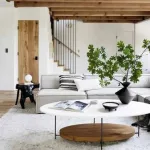
Designers are increasingly mixing natural materials with softer neutral palettes, lighter woods, clean lined furniture, textured textiles, and carefully chosen artwork. A living room might feature a substantial stone fireplace and exposed beams while also including linen seating, contemporary lighting, pale oak, and subtle tones that allow the scenery outside to remain the focus.
The goal is usually to create warmth without making the room feel visually heavy. That can be achieved through texture rather than color alone, with wool rugs, woven fabrics, soft upholstery, natural stone, and layered lighting helping a space feel comfortable throughout the day.
A well designed mountain interior should also respond to the practical realities of the location. Floors need to handle wet boots, furniture needs to be comfortable after long days outdoors, and rooms should feel equally inviting when the house is full of guests or when only one or two people are home.
That balance between style and livability is what often separates a beautiful mountain house from a home that genuinely works.
Living Close to the Slopes Changes the Experience
Being near ski terrain can influence daily life in ways that go well beyond recreation. For people who regularly ski or snowboard, shorter travel times mean less planning, less time spent in traffic or parking areas, and more flexibility to spend a few hours on the mountain rather than turning every ski day into a full day commitment.
Convenient transportation within resort communities can make that experience even smoother. In Steamboat Springs, for instance, the Wildhorse gondola is one example of how access between residential areas and the mountain can become part of the broader living experience, giving residents another way to think about convenience when considering a location near the slopes.
That kind of access can also shape how a home is designed. Mudrooms become more important when skis, boots, helmets, jackets, and gloves are part of the daily routine, while storage needs to be easy to reach rather than tucked into inconvenient parts of the house. Heated floors, durable surfaces, benches, hooks, and organized gear rooms can all make returning home after a winter day noticeably more comfortable.
And ski access is only part of the picture. Many Colorado mountain communities are active throughout the year, with hiking, biking, fishing, festivals, restaurants, and local events keeping the area busy long after the snow melts. A home near the mountain can therefore function as a year round base rather than a property that only feels useful in winter.
Outdoor Spaces Designed for More Than One Season
Outdoor living plays a major role in Colorado homes, but the best spaces are not designed only for warm summer afternoons. Thoughtful mountain homes often include terraces, covered patios, decks, outdoor fireplaces, fire pits, hot tubs, dining areas, and sheltered seating zones that can be used during different parts of the year.
Placement matters because mountain weather can change quickly. A patio protected from strong winds may stay comfortable longer into fall, while an area positioned to receive afternoon sun can feel surprisingly pleasant even on cooler days. Covered sections can provide shade in summer and protection from light snow or rain in other seasons.
These spaces work especially well when they connect naturally with the interior rather than feeling like an afterthought. Large sliding doors or folding glass walls can create an easy transition between a kitchen or living area and an outdoor terrace, allowing both spaces to function as one larger gathering area when the weather cooperates.
Imagine sitting outside with coffee on a cool morning, having dinner under a covered terrace in summer, or stepping into a hot tub while snow settles quietly around the property. Those moments are part of why outdoor design carries so much weight in a mountain home.
Features That Make Daily Mountain Life Easier
Many luxury features in mountain homes are appealing because they solve practical problems while adding comfort at the same time. Radiant floor heating is a good example because it creates a warm, even temperature during cold months while also making tile or stone surfaces more comfortable underfoot.
Heated driveways and walkways can reduce the work involved in clearing snow, especially at properties located at higher elevations or in areas that receive frequent storms. Oversized garages provide room not only for vehicles but also for bikes, skis, snowboards, camping equipment, and other gear that comes with an outdoor focused lifestyle.
Mudrooms are another feature that can have an outsized impact on daily life. A well planned one gives wet jackets, boots, gloves, and equipment a place to dry and stay organized rather than spreading through the rest of the home. Some houses take this concept further with dedicated ski rooms that include built in storage, boot warmers, benches, and direct access to garages or exterior doors.
Other high end amenities may include home gyms, saunas, wellness rooms, wine storage, guest suites, offices, media rooms, and smart home systems. While these features can add value and convenience, the most useful ones are those that match the homeowner’s routine rather than simply appearing impressive on a property list.
Luxury tends to feel most meaningful when it improves everyday life.
Choosing a Mountain Setting That Fits the Way You Live
Colorado offers a wide range of mountain communities, and each one has a different pace, atmosphere, and level of access. Some areas are centered around active resort villages with restaurants, shops, events, and nightlife, while others are quieter and more residential, with larger properties and greater privacy.
The right choice depends on what kind of experience you want from the home. Would you rather be close enough to walk into town for dinner, or would you prefer a more secluded property where the nearest neighbor is barely visible? Do you value immediate ski access, or would you trade a slightly longer trip to the slopes for more land and a quieter setting?
These are practical questions, not just lifestyle preferences. Mountain roads, winter driving, grocery access, airport distance, property maintenance, and year round services can all influence how convenient a particular location feels over time.
Views also vary widely, even within the same community. One property may face open mountain ridges, while another looks toward forest, ski terrain, or a valley. The orientation of the home can also affect sunlight, snow accumulation, and how outdoor spaces are used.
Taking time to think about these everyday details can make a big difference because the most appealing location on paper is not always the one that fits best in real life.
Designing a Mountain Home That Will Still Feel Good Years From Now
Trends can make a home feel fresh, but relying too heavily on them can date a space quickly. In mountain properties, where natural materials and strong architectural features already create visual interest, a more timeless approach often works especially well.
Stone, quality wood, simple forms, comfortable proportions, and well planned layouts tend to hold up over time because they are closely connected to the setting rather than to a specific design moment. Contemporary lighting, modern furniture, and bolder decorative choices can still be added, but they work best when layered over a strong and relatively neutral foundation.
This does not mean every mountain home needs to look traditional or restrained. Some of the most striking properties in Colorado are highly modern, with dramatic glass walls, sculptural staircases, and minimalist interiors. What makes them successful is that the core design still responds to the climate, the views, and the way the home will be used.
That is where long term value often comes from. A house that is beautiful, functional, durable, and deeply connected to its environment is more likely to remain appealing than one designed around a passing style.
A Home That Feels Like It Belongs in the Mountains
Colorado mountain living brings together a combination of scenery, design, recreation, and comfort that is difficult to reproduce elsewhere. The most memorable homes are not simply large or expensive. They feel considered, with architecture that responds to the land, interiors that support real life, and outdoor spaces that encourage people to enjoy the setting throughout the year.
Whether a home leans rustic, contemporary, or somewhere in between, the strongest designs tend to share the same qualities. They frame the landscape rather than overpowering it, make cold weather easier to live with, offer comfortable spaces for gathering, and create an everyday connection with the mountains beyond the obvious appeal of being near the slopes.
For many people, that is what makes Colorado mountain living so compelling. It is not just about having a beautiful house in a beautiful place. It is about creating a home that feels naturally connected to the environment, supports the way you want to live, and continues to feel inviting long after the first impression has worn off.