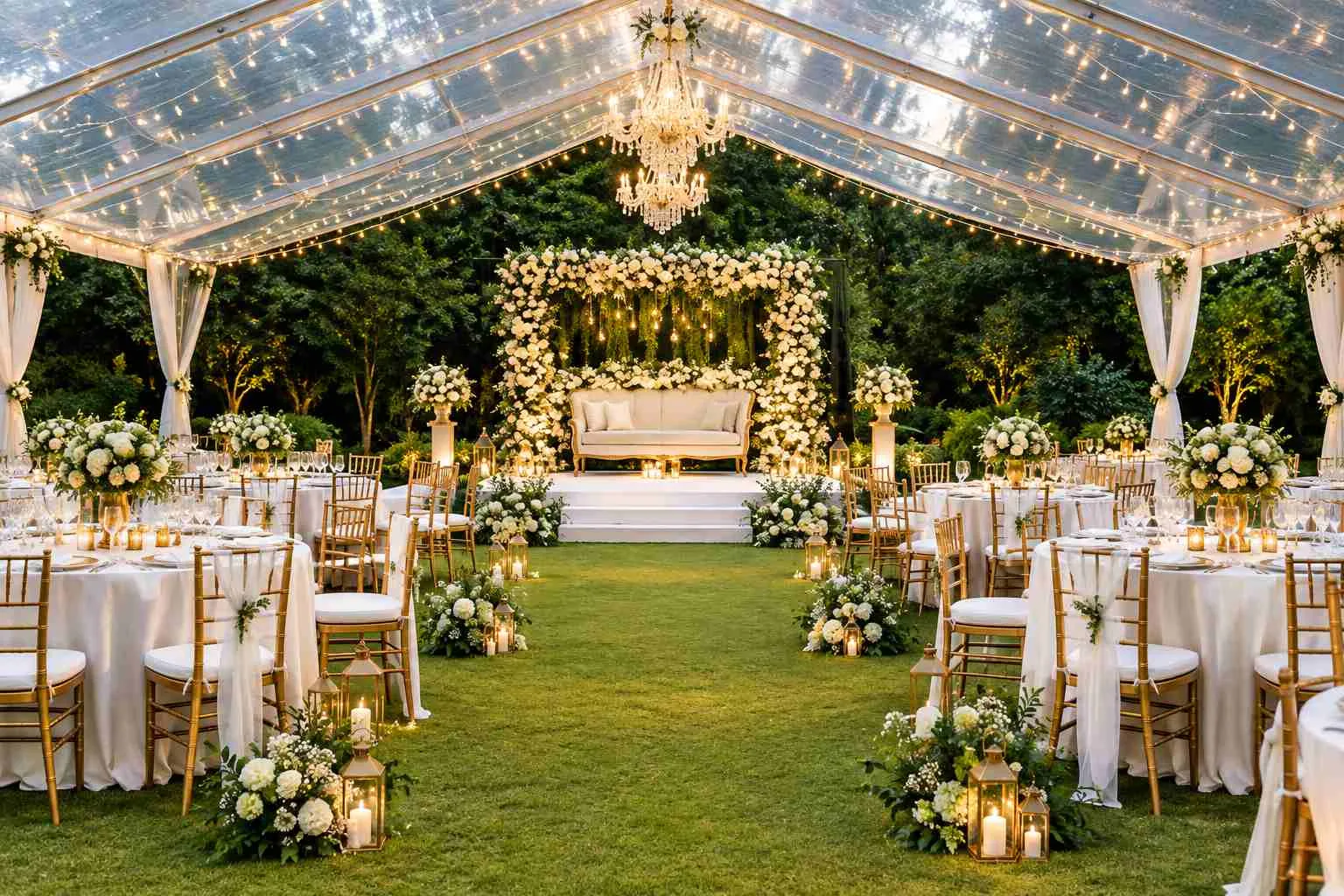
Outdoor events work best when the decor feels intentional. A backyard dinner, wedding reception, birthday party, garden celebration, or community gathering needs more than tables and chairs. The right decorative details establish the theme, define different areas, and make the setting feel designed rather than temporary.
Personalization is especially useful outdoors because large spaces can easily look disconnected. Custom elements give guests visual cues while adding character to the venue. They can also serve practical purposes, such as identifying seating areas, directing guests, or marking food and activity stations.
Start With a Clear Design System
Before buying decorations, establish a simple visual system. Choose two or three main colors, one accent color, and a consistent type style if the event uses names, messages, or branding. Repeat those elements across the space.
A useful outdoor decor system might include:
- A defined color palette for linens, flowers, and signs
- Consistent typography for names and directional messages
- Matching table details
- Repeated patterns or graphic elements
- A clear distinction between guest, service, and activity areas
This approach prevents the common problem of outdoor events looking like a collection of unrelated decorations. Repetition creates visual continuity. It also makes individual custom pieces look like part of a larger design.
Personalize the Tables
Tables are one of the easiest areas to customize because guests naturally spend time there. Instead of relying only on centerpieces, add functional decorative pieces that reinforce the event theme.
Custom ceramic coasters are one option for combining utility with visual design. They can display a monogram, event date, logo, illustration, or other graphic that fits the occasion. Ceramic is also a practical material for table settings because it has a solid, finished surface and can be wiped clean between uses.
When designing custom table pieces, consider viewing distance. Small text may look good on a computer screen but become difficult to read once printed. Simple graphics, strong contrast, and limited text generally produce a cleaner result. For a formal event, a monogram or date may be enough. For a business gathering, a logo and short message can reinforce the brand without turning the table into an advertisement.
Use Decor to Define Outdoor Zones
Outdoor venues rarely have the natural structure of an indoor room. A lawn may serve as both a dining area and a walkway. A patio might contain food service, seating, and entertainment. Personalized decor can create visual boundaries without permanent construction.
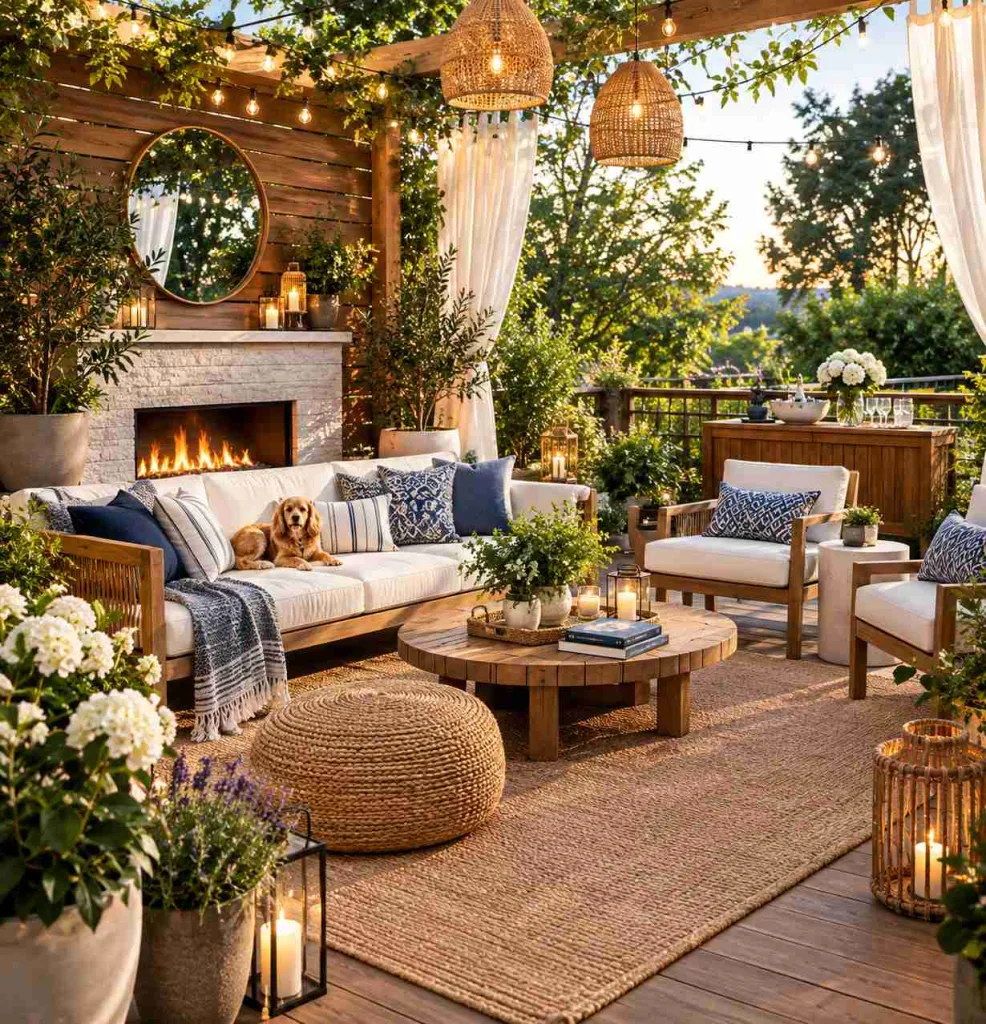
Use different decorative treatments for each functional zone. For example, a dining area can use coordinated tableware and centerpieces. A lounge area can use rugs, cushions, and low lighting. A food station can have a prominent menu board or sign.
This improves navigation while making the venue easier to understand. Guests should be able to identify important areas without asking the host or staff for directions.
Make Signage Part of the Design
Outdoor signs should do more than display information. They should complement the event’s visual identity. Placement, size, contrast, and material all affect whether a sign can be read quickly.
For signs that will be viewed from a distance, prioritize large lettering and short messages. Avoid placing important information over complicated backgrounds. Directional signs should use familiar wording and clear arrows. Welcome signs can carry more decorative detail because guests usually view them from a shorter distance.
For larger properties, custom signs can also identify entrances, parking areas, ceremony spaces, restrooms, vendor locations, and activity zones. This reduces confusion and keeps the event layout organized.
Add Personalized Yard Elements
The surrounding yard is part of the event space, so it should not be treated as empty background. Lawn areas can carry the theme through strategically placed decorative pieces.
Die cut yard signs can be shaped around a logo, character, symbol, number, or other graphic rather than being restricted to a basic rectangular format. That flexibility can make outdoor signage more noticeable while allowing the shape itself to contribute to the theme.
Placement matters as much as design. Avoid putting signs where landscaping, parked vehicles, furniture, or crowds will block them. Place directional signs at decision points, such as driveways, paths, intersections, and entrances. Decorative signs can be positioned around open areas where they add visual interest without obstructing movement.
Design for Weather and Exposure
Outdoor decor needs to account for environmental conditions. Sunlight, moisture, wind, dust, and temperature changes can affect both appearance and performance.
Before selecting materials, consider:
- Expected event duration
- Direct sunlight exposure
- Probability of rain or humidity
- Wind conditions
- Ground surface
- Storage and transportation requirements
Lightweight decorations may work well in sheltered areas but become difficult to manage in strong wind. Paper-based elements should be protected from moisture. Signs need stable supports, particularly when placed near walkways or open lawns.
Personalize Without Overdecorating
Personalization does not require covering every available surface. Too many custom elements can create visual noise and make the event feel cluttered.
A better approach is to identify a few high-impact locations. The entrance, main dining area, food station, and central gathering space are often enough to establish a strong theme. Repeat the same graphic language across these locations instead of introducing a different design for every item.
Outdoor recreation and event activity remain substantial. The Outdoor Industry Association reported that U.S. outdoor recreation participation reached 175.8 million people in 2023, representing 57.3% of the U.S. population.
That scale highlights why outdoor spaces continue to be important settings for gatherings and experiences. Good decor should therefore support the environment rather than compete with it. The strongest designs use customization to improve recognition, navigation, comfort, and atmosphere.
Match Decor to the Event
Different events require different levels of personalization. A children’s birthday party may benefit from bold shapes and playful graphics. A wedding may need restrained typography, coordinated colors, and elegant table details. A company gathering may focus on brand consistency and directional information.
The design should also reflect the property’s architecture and landscaping. A formal garden may suit refined materials and restrained colors. A modern patio can support geometric graphics and minimal signage. A rustic outdoor venue may benefit from natural textures and simpler typography.
Keep Personalization Consistent
The most effective outdoor decor uses customization selectively. Choose a visual identity first, then apply it across the elements that matter most. Matching colors, typography, shapes, and graphics create continuity without requiring excessive decoration.
The result is a space that feels prepared specifically for the occasion. Tables become part of the theme. Signs become navigation tools. Lawn decorations become visual markers. Every piece has a defined role.
Personalized outdoor decor works best when aesthetics and function are planned together. Start with the layout, establish the design system, choose durable materials, and customize only the areas where the added detail will have a clear impact. That approach creates an outdoor event that feels organized, distinctive, and deliberately designed.