Relocating an entire household across a great distance is one of the largest projects a family can take on. It involves far more than loading boxes and driving to a new address. Every room holds items that need sorting, wrapping, and careful handling, and every member of the household has needs that shift during the transition.
Paperwork, utilities, school records, and travel plans all compete for attention at the same time. When so many tasks overlap, it becomes easy to forget something that later causes stress, delay, or extra expense. A clear plan, a sensible timeline, and steady attention to detail can turn a demanding process into one that feels organized and manageable from start to finish.
Getting the Right Help for a Long Journey
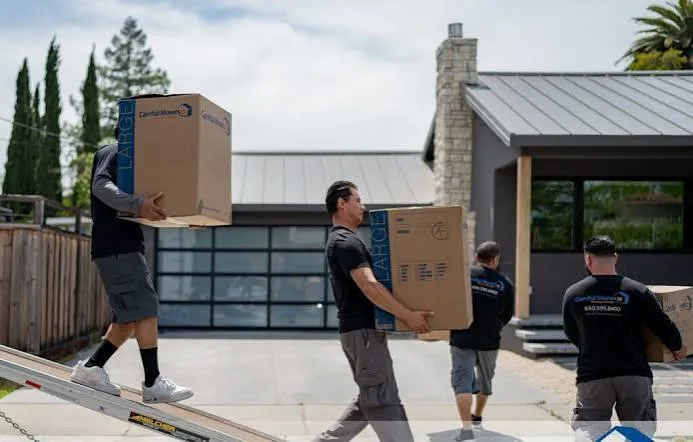
Even a well-organized family can feel stretched thin when the new home sits several states away. Moving your belongings that far brings its own problems, since fragile pieces, heavy furniture, and long stretches of highway leave little room for error. A trained team that specializes in long-distance relocations can take much of that pressure off your shoulders.

Hire a cross-country moving company that offers packing and unpacking, furniture padding, flexible storage plans, and free written estimates. With that support in place, you can give your full attention to the parts of the transition that only your household can handle.
Building a Realistic Timeline
A relocation of this size works best when it starts early. Begin by marking the date you need to leave your current home and the date you can enter the new one. From there, work backward and divide the weeks into manageable stages. The first stage might focus on sorting and decluttering, the next on gathering documents, and the final stretch on packing the rooms you use least.
Spreading tasks over several weeks prevents the last-minute rush that leads to forgotten items and rushed decisions. It also gives you breathing room if something unexpected comes up, such as a delayed closing date or a change in work plans. Keep the timeline somewhere visible, like a shared calendar or a printed sheet on the refrigerator, so everyone in the household knows what comes next.
Sorting and Decluttering Before You Pack
Few things make a relocation harder than packing items you no longer need. Walk through each room and decide what to keep, donate, sell, or discard. Be honest about clothes that no longer fit, appliances that rarely leave the cupboard, and furniture that may not suit the layout of the new home.
Reducing your belongings lowers the amount of packing ahead and makes unpacking far easier later. It can also lower your overall costs, since fewer items take up less space. Set aside a weekend for each major area of the house, such as the garage, the attic, and the kitchen, so the work never feels overwhelming.
Organizing Important Documents
Personal records deserve special and careful attention because they are difficult to replace if lost. Start by gathering passports, birth certificates, insurance policies, medical records, school transcripts, financial statements, and property papers into one secure folder or box. Keep this collection with you during the trip rather than packing it with general household goods.
It is also wise to make digital copies of key documents and store them in a safe online location. That way, you still have access to important information if the originals are ever misplaced.
Updating Your Address and Services
A change of address affects many parts of daily life. Notify the postal service, your bank, your employer, insurance providers, and any subscription services well before you leave. Do not forget doctors, dentists, veterinarians, and schools, since each will need to transfer or close records.
Arrange for utilities at your current home to end the day after you leave, and schedule electricity, water, internet, and gas at the new home to start the day before you arrive. This overlap ensures you never arrive at a dark or disconnected house after a long trip. Write down confirmation numbers for each service so you can follow up quickly if a problem appears.
Packing With a Clear System
A good packing system saves hours of frustration later. Label every box with its contents and the room it belongs in at the new home. Some families use colored tape or stickers for each room, which makes unloading faster and more accurate.
Pack heavy items in smaller boxes and lighter items in larger ones so nothing becomes too difficult to lift. Wrap each breakable piece individually and fill empty spaces with soft material to stop shifting. Keep screws, bolts, and small hardware from furniture in labeled bags taped to the matching piece, so reassembly goes smoothly.
Preparing an Essentials Bag for Each Person
The first night in a new home is often chaotic, with boxes stacked high and nothing easy to find. An essentials bag for each family member solves this problem. Include a change of clothes, toiletries, medications, phone chargers, and any comfort items children may need to settle in.
Add a household box with basic tools, toilet paper, cleaning supplies, bedding, a few plates and cups, and simple snacks. Keep these bags and the household box with you rather than loading them with the rest of your belongings. Having them close at hand makes the first day far more comfortable.
Settling Into Your New Home
Once you arrive, start by setting up the most important spaces first. Beds, the kitchen, and bathrooms should come before decorative items or rarely used rooms. Check every room for damage, test appliances, and make sure doors and windows lock properly.
Spend time getting to know the surrounding area as well. Find the closest grocery store, pharmacy, hospital, and gas station early on so daily errands feel simple from the first week. Work through the boxes gradually, finishing one room before starting the next, and give everyone a few weeks to settle into their new routine.